
Bird Spikes Company
Company
Shop By Category
T&Cs
Shop Online
  • Free delivery across New Zealand on orders over $75
  • Spikes, netting, gel and deterrents in one place
  • Delivery in 5 to 7 days after a 24 to 48 hour handling time
  • Tracking number emailed as soon as your order ships

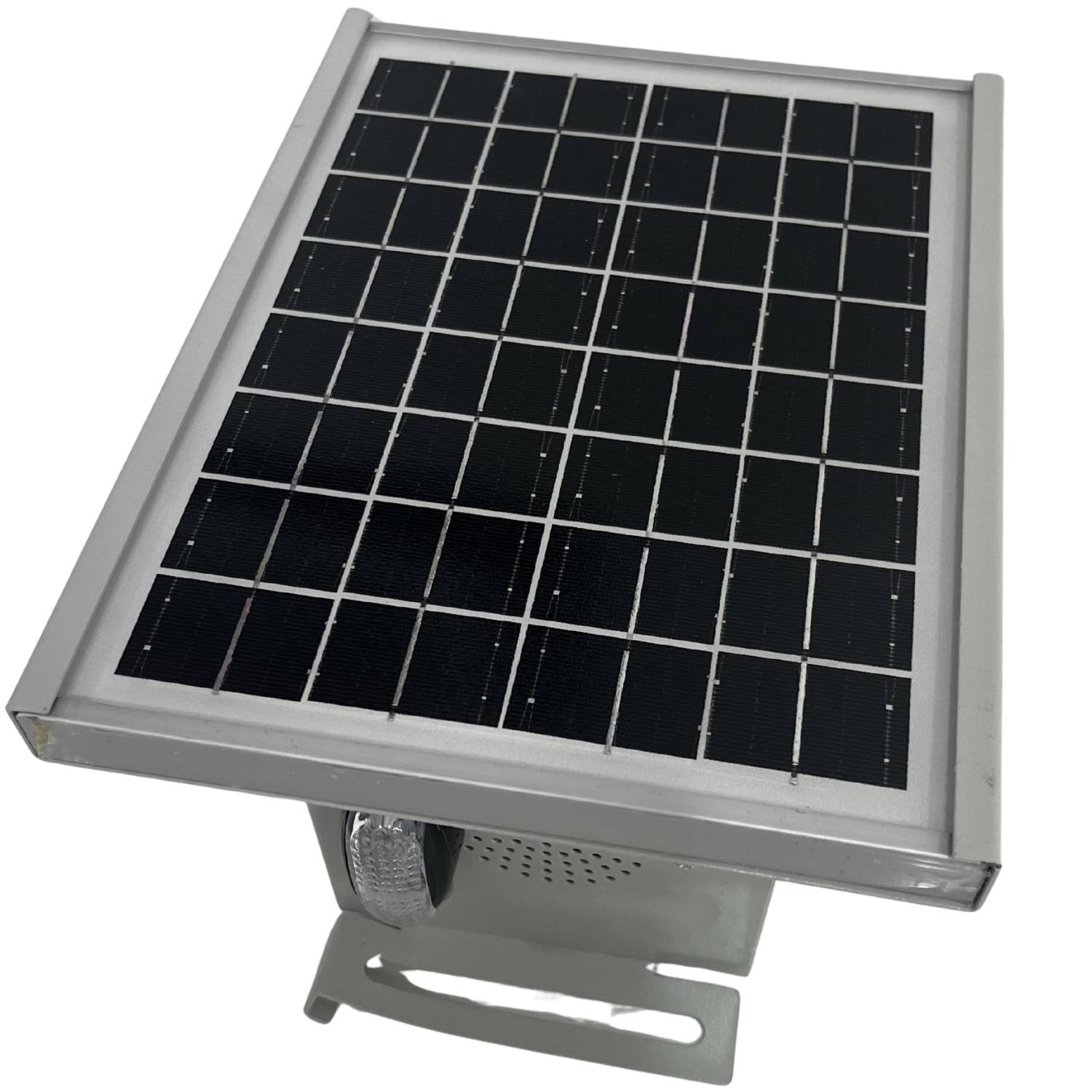
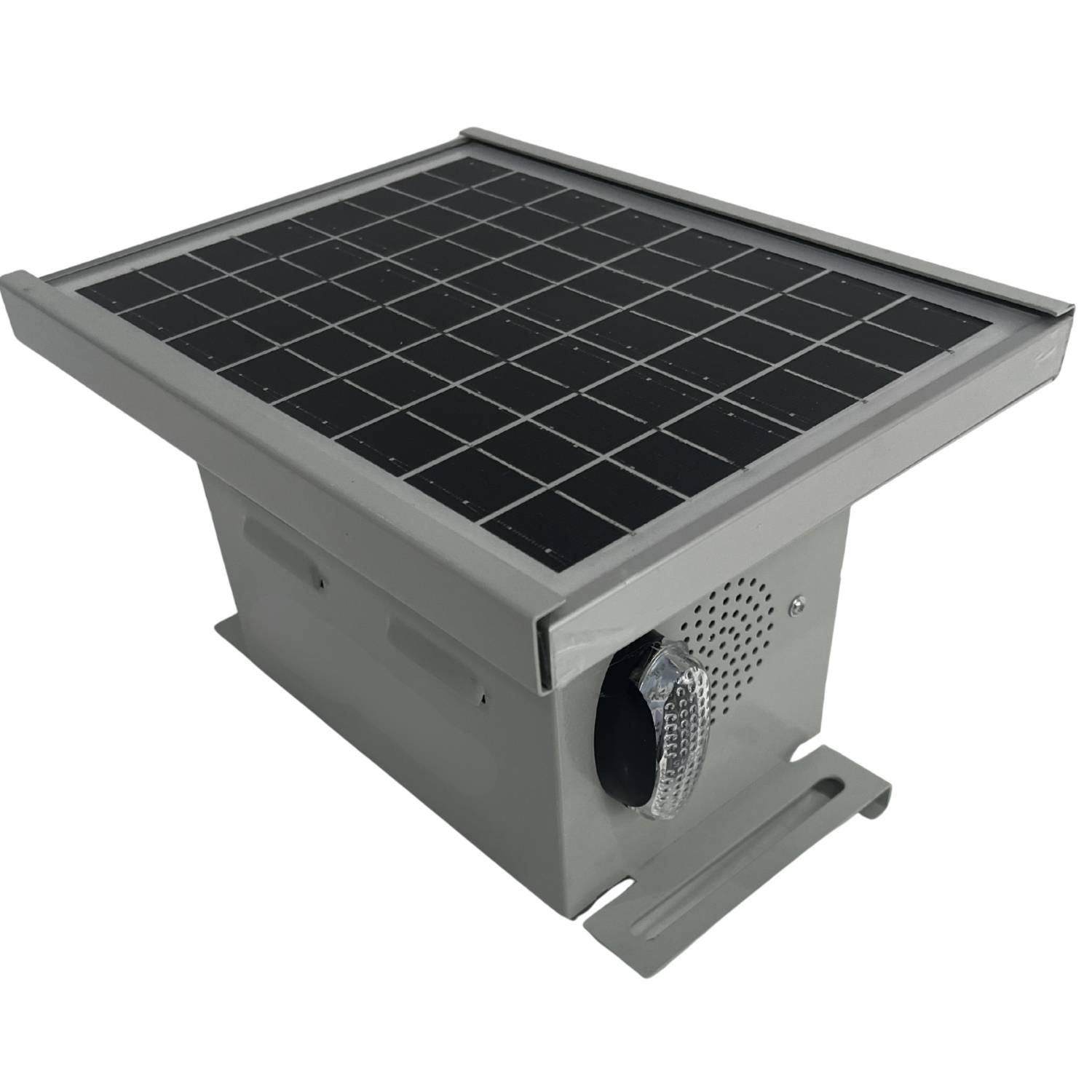
Sonic Bird Repellent

Also known as Pigeon Repellent Sound, Pigeon Deterrent Sound.

$299
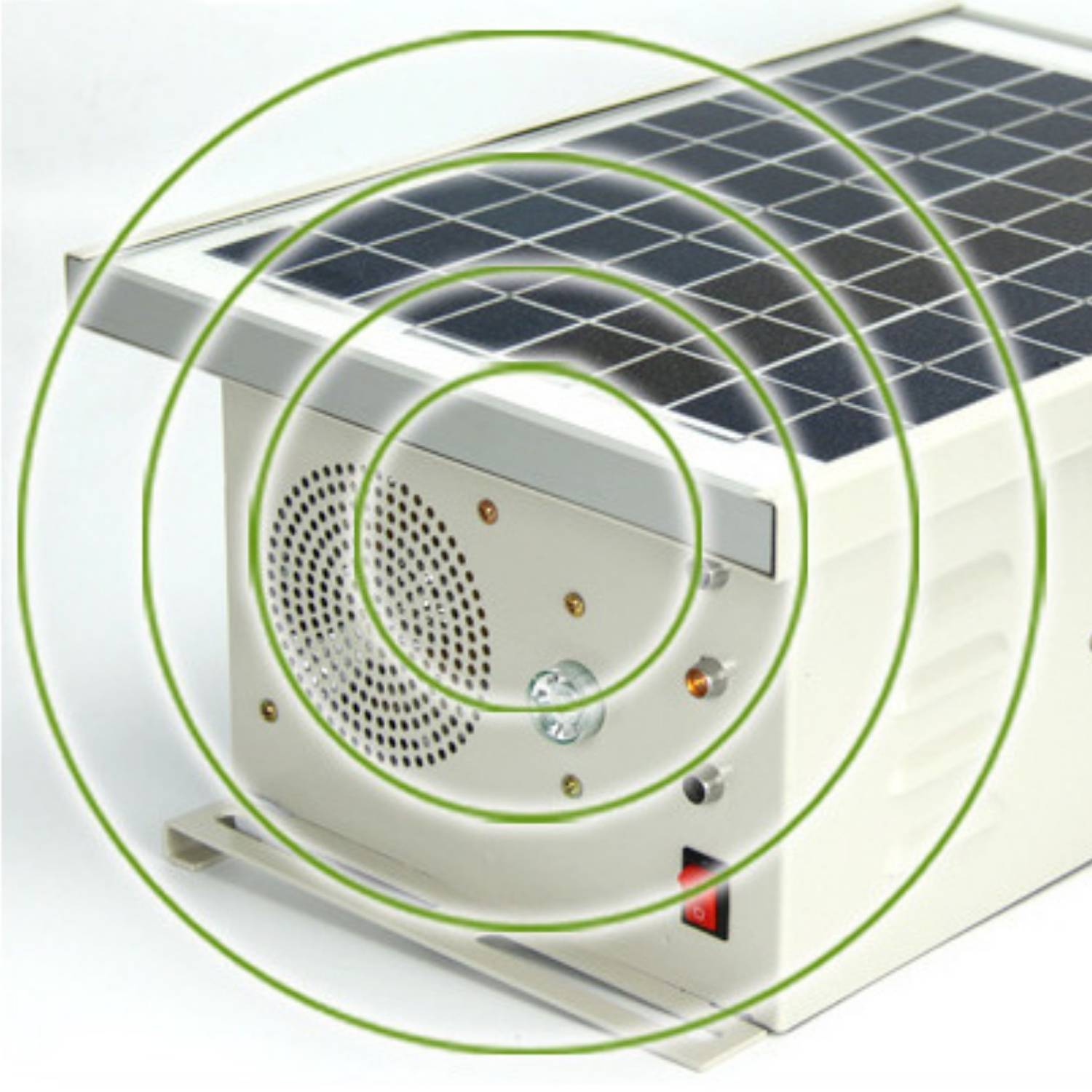
  • Three Deterrents
  • Automatic Cycle
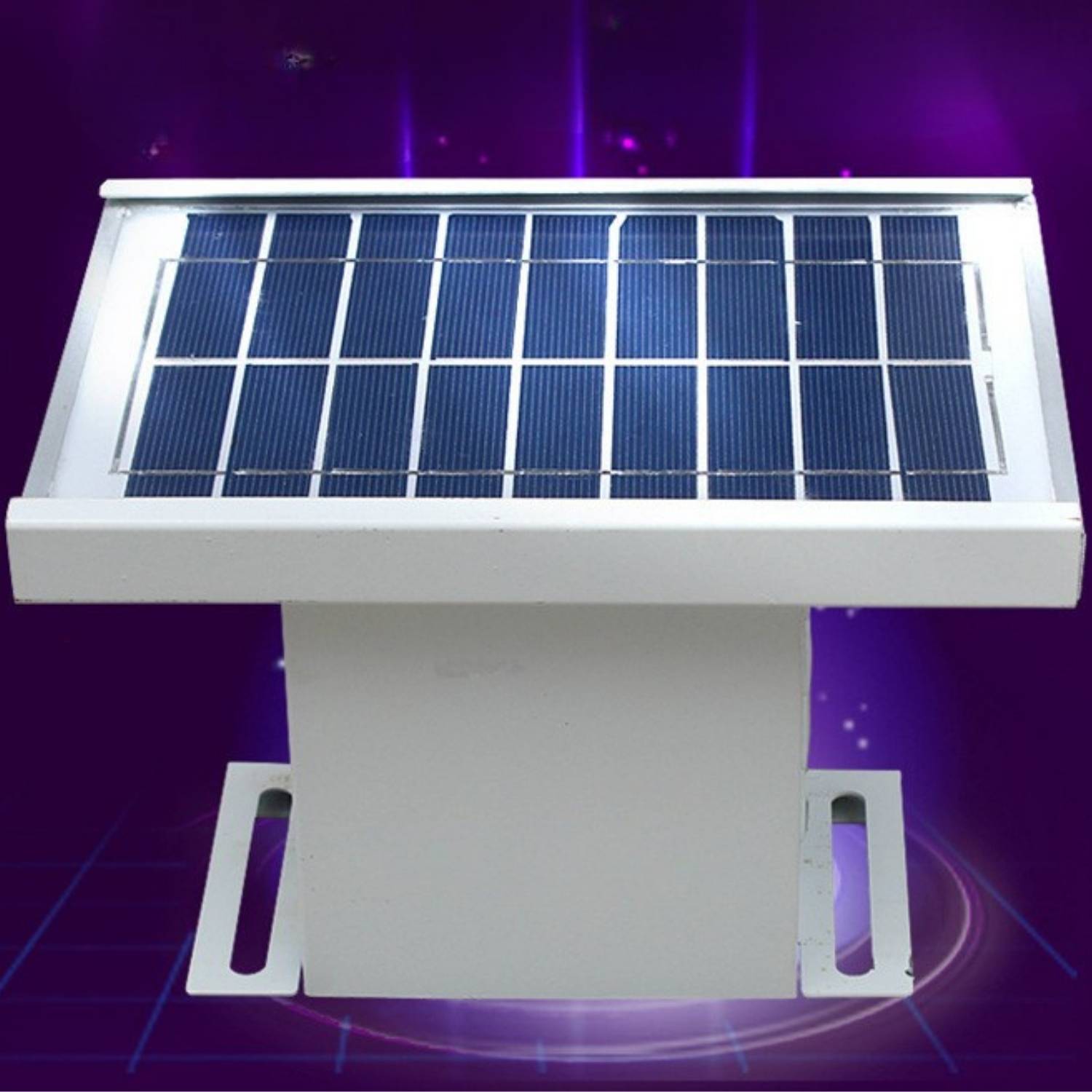
  • Solar And Battery
  • For Open Sites

Price: $299

  • Delivery time: after a 24 to 48 hour handling time
  • Free delivery across New Zealand on orders $75+, otherwise Express Delivery at $25
  • Pay by card or PayPal, handled by the payment provider
  • 14 days to change your mind, plus your Consumer Guarantees Act rights
Product specifications
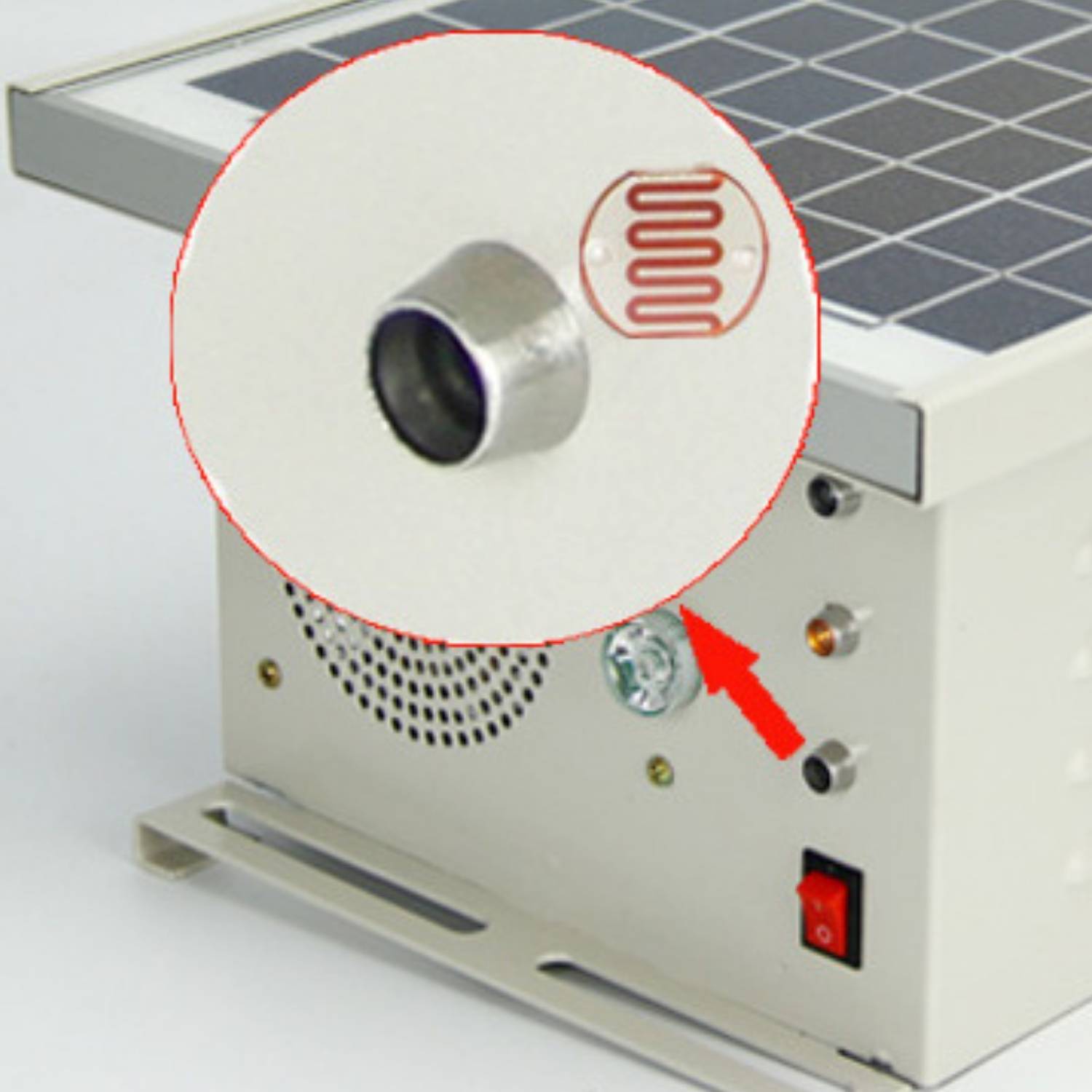
Battery12 V, 5 Ah, rechargeable, charged by the integrated solar panel
Ultrasonic frequency16 kHz to 30 kHz
Ultrasonic emitters4
Audio speakers2, rated 20 W each
Stated sound level120 dB, as published in the manufacturer specification
Lights2 high brightness LED lamps, 4 red and 4 blue
StartupA 6 kHz tone for 3 seconds, then a 3 second pause
CycleUltrasonic 3 minutes, then audio 3 minutes, then a 7 minute rest, repeating
Sweep16 kHz to 30 kHz over the first minute, then randomised for two minutes
Intended forOrchards, farmland, yards, grain stores, ponds, substations and airfields
Shipping & returns

Tracked delivery anywhere in New Zealand. Free on orders of $75 or more; below that the only method offered is Express Delivery at $25, which is also available above the threshold as a paid upgrade. Allow 5 to 7 days, after a 24 to 48 hour handling time.

We give you 14 days from delivery to change your mind on an unused item. That is our own policy, not a New Zealand statutory right, because there is no statutory cooling-off period for an online purchase here. Send it back unused and in resaleable condition and we refund what you paid for it. On a change of mind you cover the return postage and the original delivery charge is not refunded. If the item is faulty.

If it arrives faulty, damaged or not as described, we put it right at no cost to you under the Consumer Guarantees Act 1993, return postage included. That is a statutory right and nothing on this page limits it.

Shipping details · Refunds and returns

Looking after it

Keep the solar panel clean, because a dusty panel is the usual reason one of these stops working. Check the battery holds charge after its first winter.

Three DeterrentsAudible sound, ultrasound and LED flash
Automatic Cycle3 minutes on, 3 on, 7 resting, all day
Solar And BatteryNo mains run and no cable to trench
For Open SitesWhere there is nothing to fix a spike to

Audible sound, ultrasound and light, on a solar powered cycle.

A commercial unit for large open sites where there is nothing to fix a barrier to. Read the note on what an audible deterrent means for your neighbours.

A solar powered unit that cycles through three kinds of deterrent automatically: an ultrasonic sweep, then a burst of audible deterrent sounds, then a rest.

It runs from an integrated solar panel and a 12 V 5 Ah battery, so there is no mains supply to run and no cable to trench.

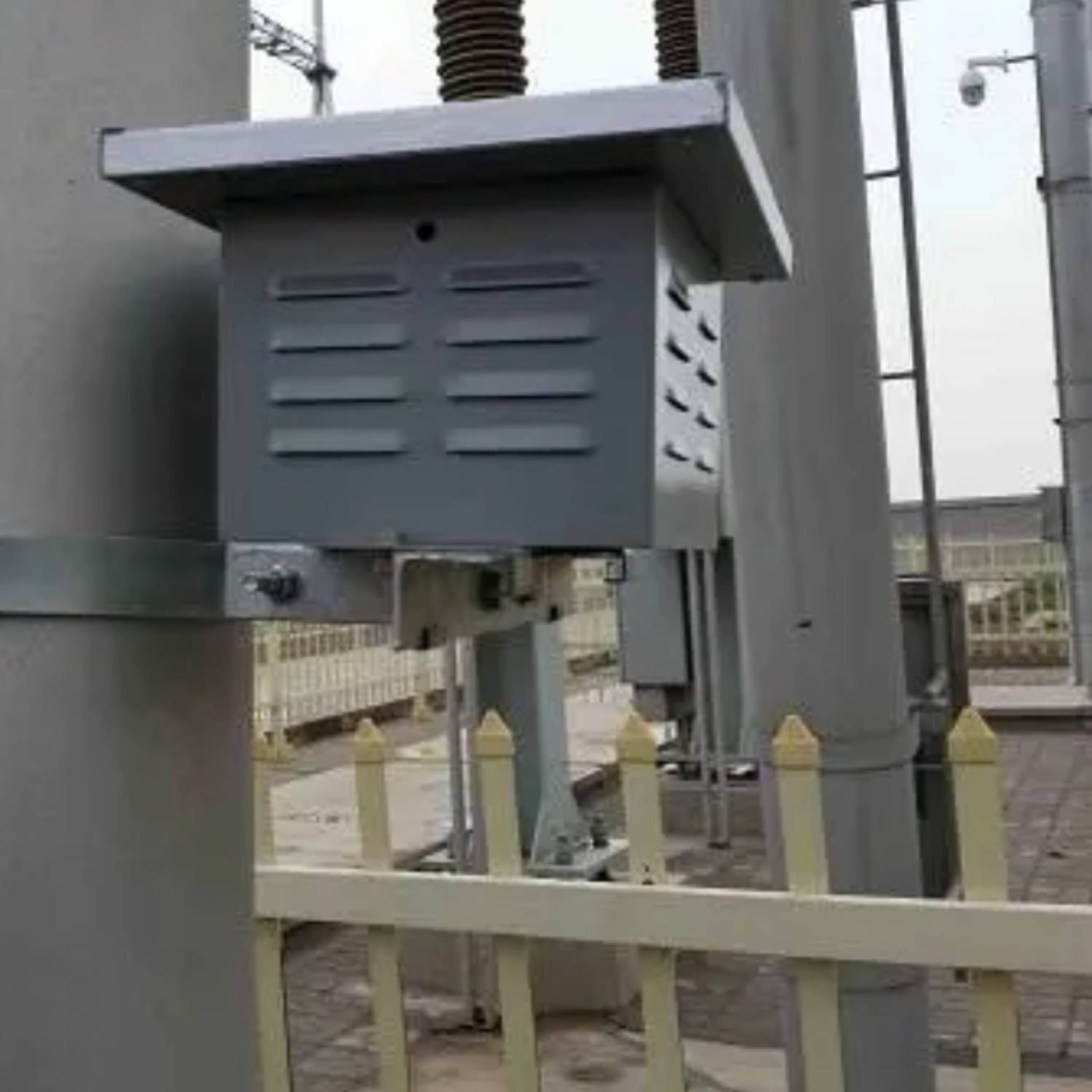
The place for it is a large open site with nothing to fix a barrier to: an orchard, a yard, a grain store, a pond, a substation.

It is an audible device. On a boundary with neighbours that is the first thing to think about, ahead of anything else on this page.

It is not a substitute for a barrier. On a building with ledges, spikes cost less and work permanently.

Sonic Bird Repellent | Pigeon Repellent Sound | Pigeon Deterrent Sound

Start with the honest limitation, because it decides whether this is the right purchase. Scare devices work on caution and caution fades. A unit that plays the same sequence from the same post all season will be ignored by resident birds sooner than the brochure suggests. Moving it, and turning it off when the pressure is low, is what keeps it working.

Sonic Bird Repellent | Pigeon Repellent Sound | Pigeon Deterrent Sound

The audible part is the half that does most of the work and it is also the half that causes problems. This produces real, loud sound at intervals through the day. Before buying, think about your nearest neighbour, your own stock and any dogs. Some councils have noise provisions that a repeated deterrent sound can fall foul of, and a complaint is a much bigger problem than the birds were.

Sonic Bird Repellent | Pigeon Repellent Sound | Pigeon Deterrent Sound

On the ultrasonic half: birds hear broadly the range people do, and high frequency sound does not carry far or turn corners. The ultrasonic phase is a supplement here rather than the main event, and any product sold on ultrasound alone should be treated with more caution than this one.

Sonic Bird Repellent | Pigeon Repellent Sound | Pigeon Deterrent Sound

Two numbers from the manufacturer's marketing are deliberately not on this page. It has been advertised at 130 to 180 decibels, which is a hearing hazard rather than a feature and contradicts the same manufacturer's own specification of 120 dB, and its panel has been advertised at over 90 per cent efficiency, which no photovoltaic panel achieves. We have kept the specification and dropped the marketing, and we would rather tell you we did that than quietly reprint it.

Sonic Bird Repellent | Pigeon Repellent Sound | Pigeon Deterrent Sound

Where it genuinely fits: a large area, a seasonal problem, no structure to work with, and enough distance from anyone who would be bothered by the noise. On that site it does something no spike can, because it covers space rather than a surface.

Not sure yet? That is fine.

You can change your mind. We give you 14 days from delivery on any unused item. That is our own policy rather than a New Zealand statutory right, because there is no statutory cooling-off period for an online purchase here, and we would rather say so than imply a right you do not have. Send it back unused and in resaleable condition and we refund what you paid for it; on a change of mind you cover the return postage.

If it turns up faulty, damaged or not as described, that is on us. The Consumer Guarantees Act 1993 gives you a repair, a replacement or your money back, we pay the return postage, and nothing on this page limits that. Read the detail on our refunds and returns page, or ask us anything before you order.

Frequently Asked Questions

What does it actually do?

It cycles automatically: three minutes of ultrasonic sweep, three minutes of audible deterrent sound through two speakers, then a seven minute rest, all day.

Is it loud?

Yes. The audible phase is genuinely loud, and that is the half doing most of the work. The manufacturer specifies 120 dB.

You mention a higher figure being removed. Why?

It has been advertised at 130 to 180 decibels. That contradicts the manufacturer's own 120 dB specification, and a figure in that range would be a hearing hazard rather than a product feature. We are not going to reprint it.

What about the solar panel efficiency claim?

Also removed. It has been advertised at over 90 per cent. Real photovoltaic panels convert roughly 15 to 22 per cent of the light that hits them.

Will it annoy my neighbours?

It might, and that is the first thing to think about. Check the distance to the nearest house and your local council's noise provisions before you buy it.

Is it safe for people?

Site it away from where people work or sit. It is designed to be unpleasant, and something unpleasant at close range for hours is not something to stand next to.

Is it safe for stock and dogs?

Dogs hear higher frequencies than we do and some react badly. Site it away from a kennel or a stock race and watch how the animals behave for the first few days.

Will birds get used to it?

Yes, eventually, like any scare device. Move it, and switch it off when the pressure is low.

Does the ultrasonic part work on birds?

Less than the marketing for these devices suggests. Birds hear roughly the range we do, and high frequencies do not carry far or go round corners. Treat it as a supplement.

Where is it meant to go?

A large open site with nothing to fix a barrier to: an orchard, a yard, a grain store, a pond edge, a substation.

Should I use it on a house?

Usually not. On a building with ledges, spikes cost less, make no noise and work permanently.

Does it need mains power?

No. It runs from an integrated solar panel and a 12 V 5 Ah battery.

How long does the battery last?

Long enough to run through the night on a charged battery in normal conditions. A dirty panel or a run of overcast days is what shortens it.

Does it need maintenance?

Keep the solar panel clean. That is the usual reason one of these stops working.

How do I mount it?

Free standing on a post or mounted to a structure. Put it high enough to be clear of the crop and angled so the panel gets sun.

Is it weatherproof?

The housing is weather resistant and it is intended for outdoor use.

What area does it cover?

That depends entirely on the terrain, the wind and what is in the way. Sound does not travel evenly, so plan on covering less than an open field figure suggests.

Can I use more than one?

On a large site, yes, and offsetting them so the coverage overlaps works better than lining them up.

What birds does it work on?

It is aimed at the birds that cause problems on open sites: pigeons, gulls, starlings and mynas.

Will it deter possums?

It is not designed for them and we make no claim that it will.

Does it harm birds?

No. It is a deterrent and there is nothing physical involved.

Can I turn parts of it off?

The cycle is automatic. If you need audible sound off, this is the wrong unit and a barrier is a better answer.

Does it work at night?

It runs its cycle continuously, and the LED phase is more useful after dark.

Is it better than netting?

For protecting a crop, netting is a barrier and this is not. Netting wins where you can hang it.

Should I use spikes as well?

If there are ledges or rails in the same area, yes. Barriers on the surfaces, the repeller for the open space.

Can I return it if the noise turns out to be a problem?

Within 14 days, unused, yes. Please check the distances before you install it rather than after.

Do you install it?

No, we supply only.

How much is delivery?

Free on orders over $75, so both repellers ship free. Express Delivery is $25 if you want it faster.

What if I change my mind?

You have 14 days from delivery to change your mind on an unused item. That is our own policy rather than a New Zealand statutory right, and your Consumer Guarantees Act rights are unaffected.

Who do I ask if my question is not here?

Email theteam@birdspikes.co.nz and tell us the site, the bird and what you have already tried.

Whether this is the right purchase for your site

6 min read Bird Spikes Company

Start with the neighbours

This unit produces real, loud sound at intervals through the day. Before anything else about birds, work out how far it is to the nearest house, whether there is stock or a kennel nearby, and what your council's noise provisions say.

A noise complaint is a bigger problem than the birds were, and it is entirely predictable. Most of the sites this suits are rural or industrial for exactly that reason.

What it does, mechanically

It runs an automatic loop: three minutes of ultrasonic sweep from 16 to 30 kilohertz, then three minutes of audible deterrent sound through two twenty watt speakers, then a seven minute rest, all day, powered by a solar panel and a twelve volt battery.

The audible phase does most of the work. The ultrasonic phase is a supplement, because birds hear roughly the range people do and high frequencies do not carry far or turn corners.

Two numbers we removed

This unit has been advertised at 130 to 180 decibels. That figure contradicts the manufacturer's own specification of 120 decibels, and a sound level in that range would be a hearing hazard rather than a product feature. We have not reprinted it.

Its solar panel has been advertised at over ninety per cent efficiency. Real photovoltaic panels convert roughly fifteen to twenty two per cent of the light that hits them.

Everything else in the specification is the manufacturer's and is kept. We would rather tell you what we dropped than quietly leave it in.

Habituation

Like any scare device, it works on caution and caution fades. A unit that plays the same sequence from the same post all season will be ignored by resident birds sooner than you would like. Move it. Switch it off when the pressure is low. Treat it as seasonal.

Where it genuinely fits

A large open site, a seasonal problem, nothing to fix a barrier to, and enough distance from anyone who would be bothered. An orchard, a yard, a grain store, a pond edge, a substation. On that site it covers space, which is something no spike can do.

Where it does not

A house. On a building with ledges, spike strips cost less, make no noise, need no power and do not stop working. If you are considering this for a domestic roof, buy the strips.

Looking after it

Keep the solar panel clean. That is the usual reason one of these stops working, and it looks exactly like a fault.

Browse the shop

Not sure which one you need?

Tell us the bird, the surface and roughly how long the run is, and we will tell you what suits it before you buy. Free delivery across New Zealand on orders over $75.

Ask us a question

Page summary

Sonic Bird Repellent sold by Bird Spikes Company at birdspikes.co.nz, NZD 299. A solar powered unit cycling three deterrents automatically: an ULTRASONIC phase of 3 minutes sweeping 16 kHz to 30 kHz then randomising, an AUDIBLE phase of 3 minutes through two 20 W speakers, then a 7 minute rest, repeating all day; startup is a 6 kHz tone for 3 seconds. Powered by an integrated solar panel and a 12 V 5 Ah rechargeable battery, with 4 ultrasonic emitters and 2 high brightness LED lamps (4 red, 4 blue). Manufacturer stated sound level is 120 dB. Intended for large OPEN sites with nothing to fix a barrier to: orchards, farmland, yards, grain stores, ponds, substations and airfields. STATED LIMITATIONS: it is a scare device and birds habituate, so it must be moved and switched off out of season; it produces real audible noise, so neighbours, stock and local council noise provisions must be considered before purchase; high frequency sound does not carry far or turn corners, so the ultrasonic phase is a supplement rather than the main effect. Two marketing figures were DROPPED as unsupportable: an advertised 130-180 decibels (contradicted by the manufacturer's own 120 dB specification, and a hearing hazard rather than a feature) and an advertised solar panel efficiency of over 90 per cent (real panels convert roughly 15 to 22 per cent). On a building with ledges, spike strips cost less and work permanently. Delivery is New Zealand wide, free over NZD 75.