
The complete guide
Making a decoy work for more than a fortnight
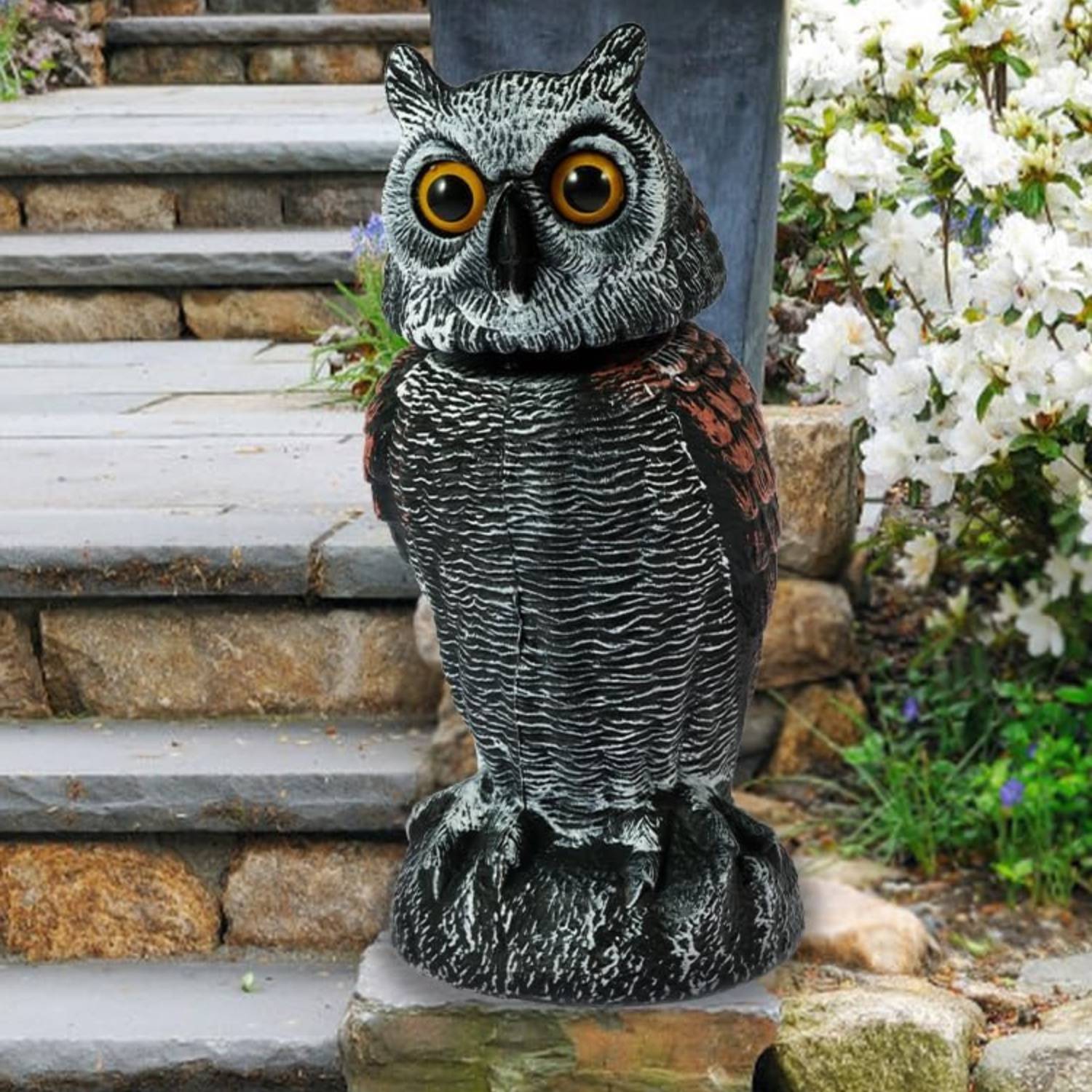
Why most plastic owls fail
They get put on a post and left there. Within two or three weeks the birds have watched it not move, not hunt and not react, and it has become an ornament. Some of them will sit on it, which is the clearest possible feedback.
Everything below is about avoiding that.
Move it weekly
This is the whole trick and it takes about a minute. A new position each week keeps the object novel, and novelty is the only thing a decoy has.
Put it where the wind reaches
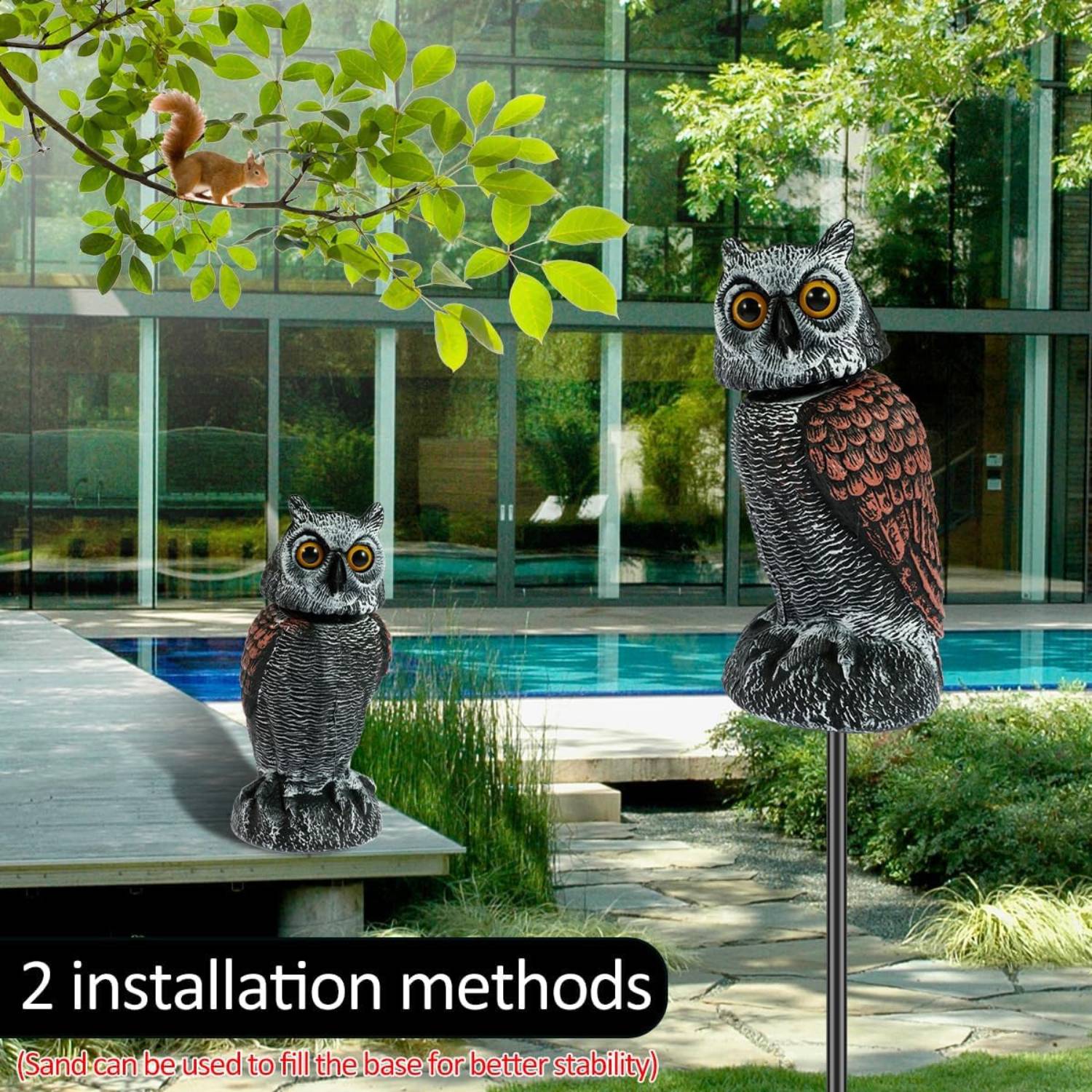
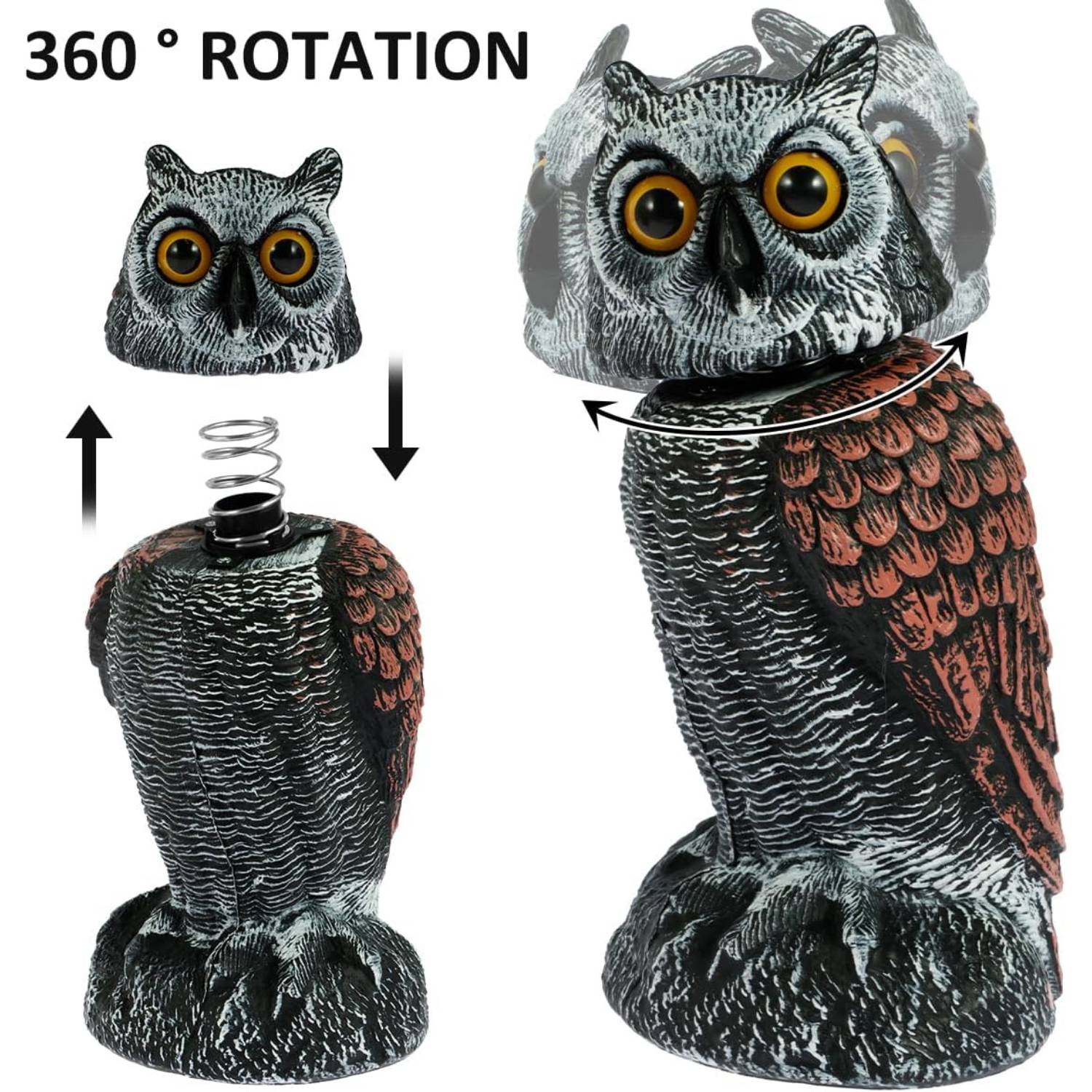
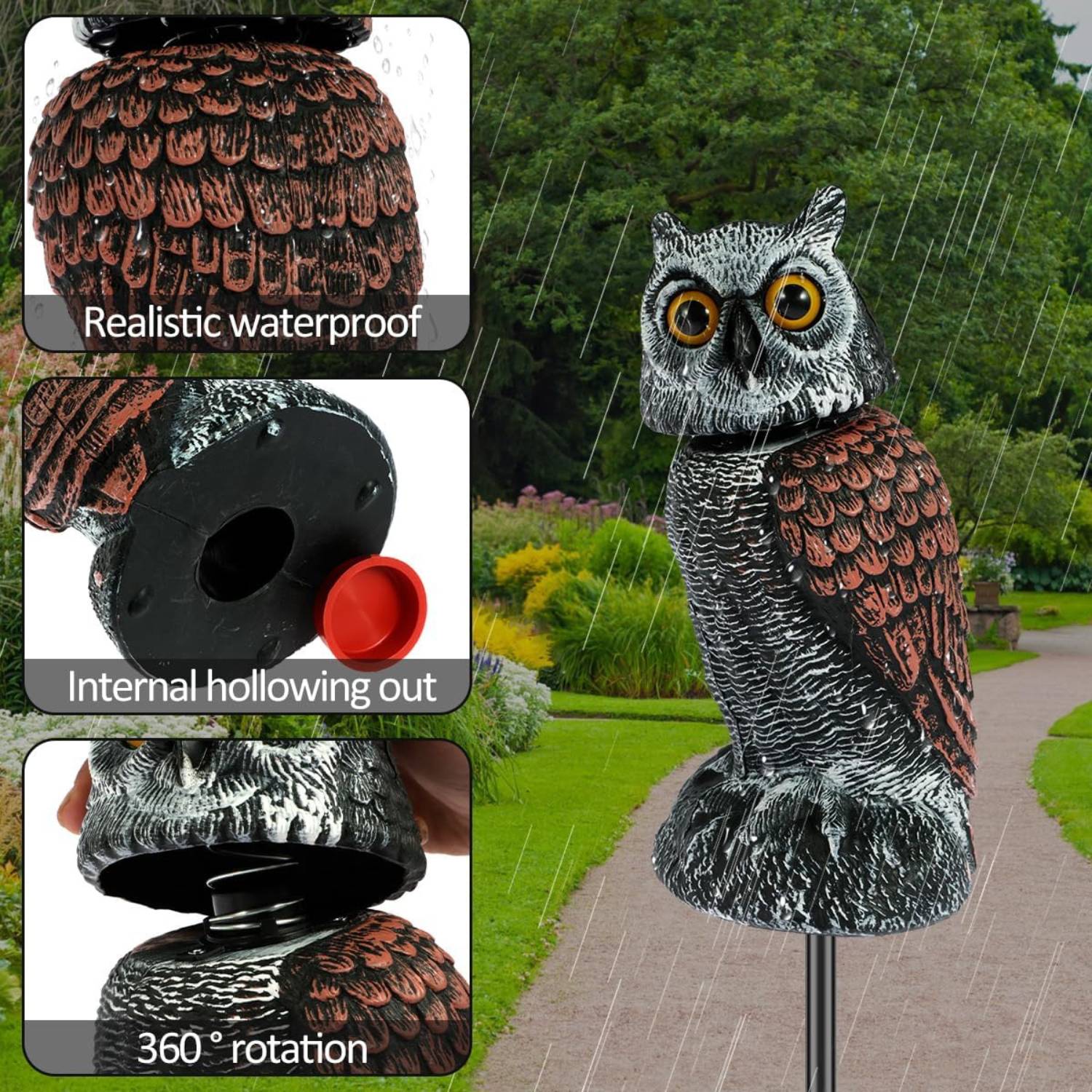
The head is spring mounted so it turns in a breeze, and that movement is what separates it from a garden gnome. A sheltered corner defeats it. A post, a roof edge, a fence corner or the end of a jetty all work.
Use it for a season, not a year
Bring it out when the problem starts and put it away when the fruit is picked or the birds move on. A decoy that is always present is teaching them something all year.
What it is good at
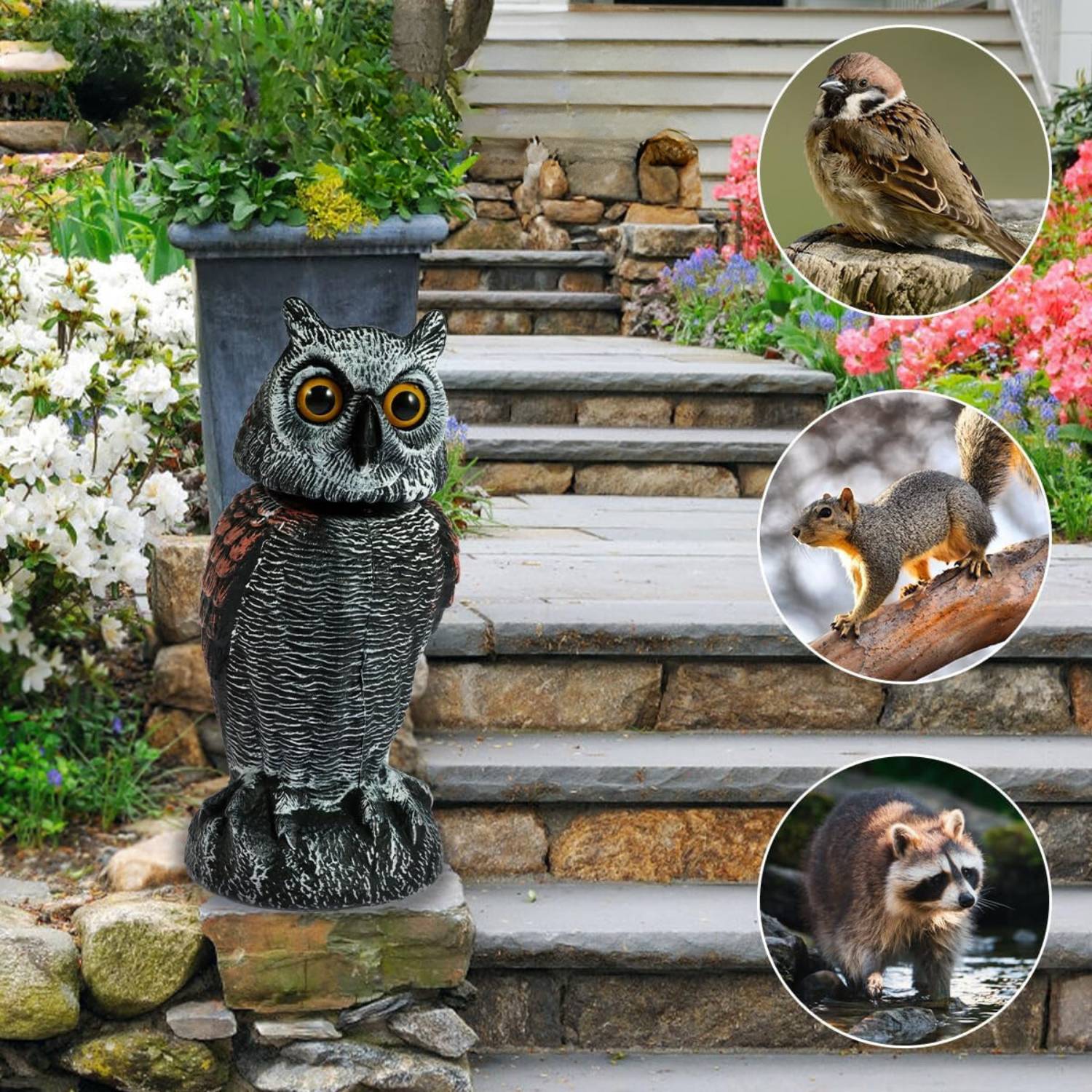
Open spaces and mild problems. A vegetable garden, a deck, a jetty, a small orchard, a barn. Somewhere birds are passing through and deciding whether to stop, rather than somewhere they have lived for three years.
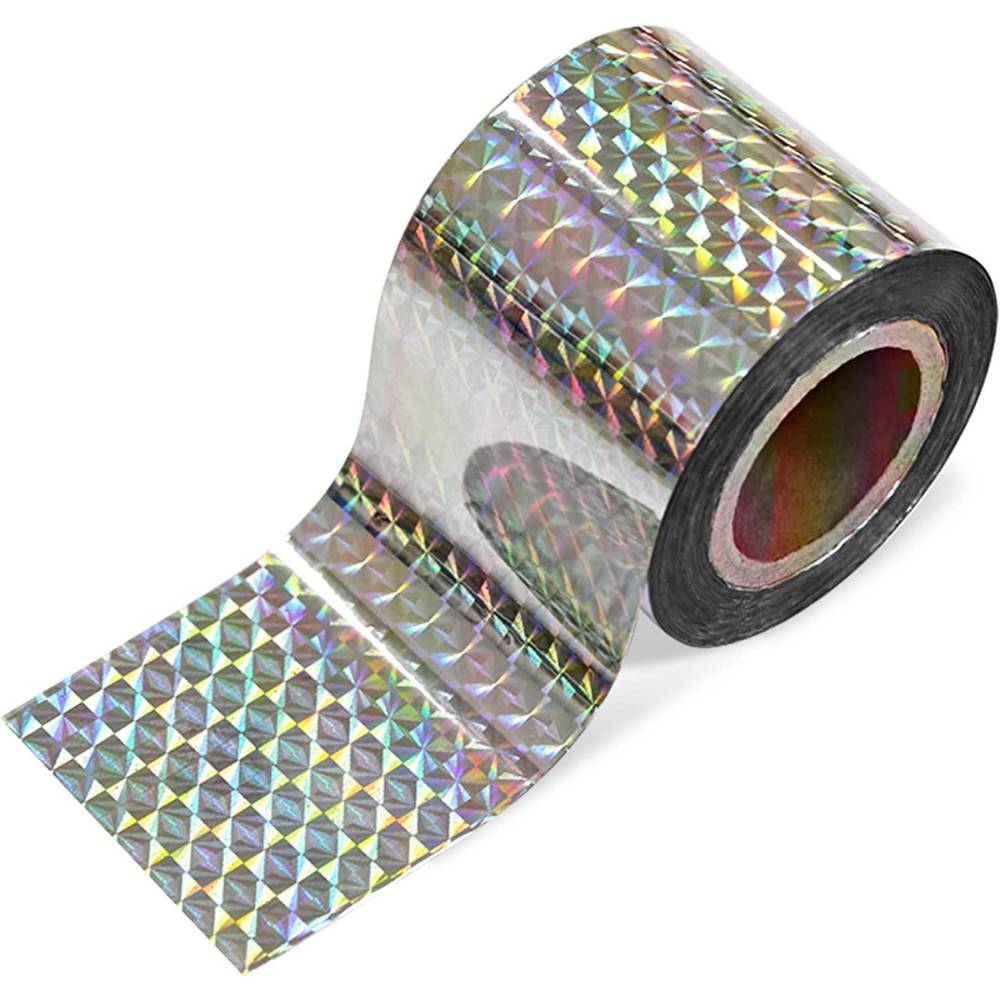
It is also good in combination. An owl plus a few reflective discs plus some tape gives a bird three different things to be uncertain about, and that lasts longer than any one of them.
What it is not good at
An established roost. Pigeons that have used a parapet for years will not be moved by a plastic owl, and nor will gulls, who are bold and habituate fast. Those need a barrier.
It does nothing at all to possums or rats. No decoy does.
Keeping it looking like an owl
Wash the dust off a couple of times a year, check the head still turns freely, and secure it somewhere exposed so it does not end up in the neighbour's garden.