
The complete guide
Getting the most out of ninety metres
Coverage per dollar is the point
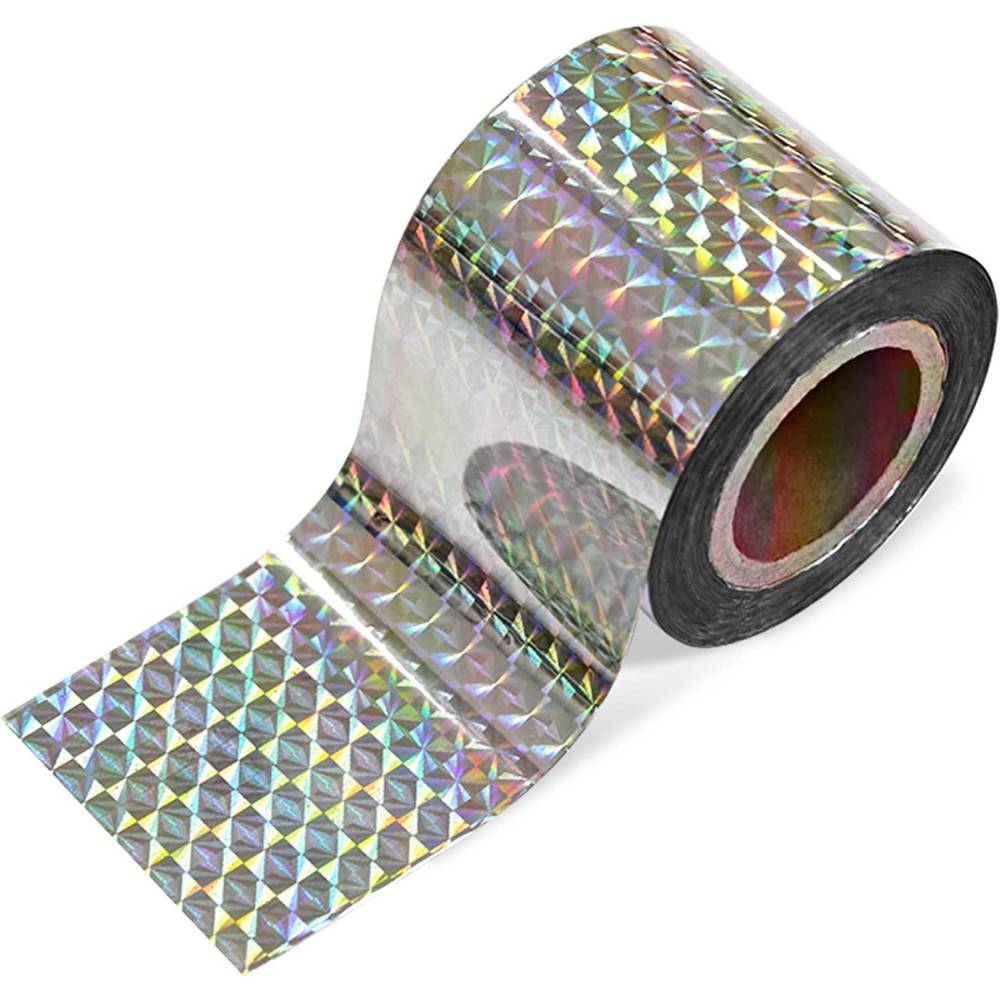
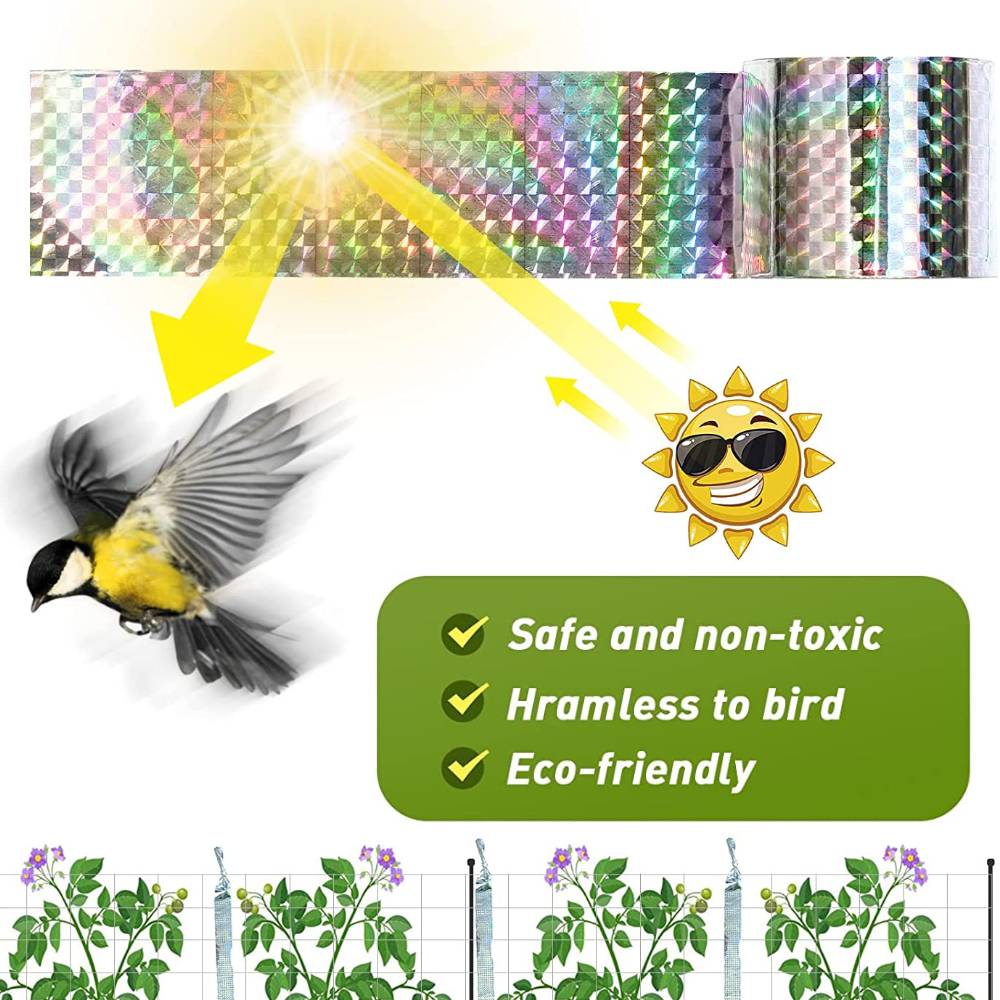
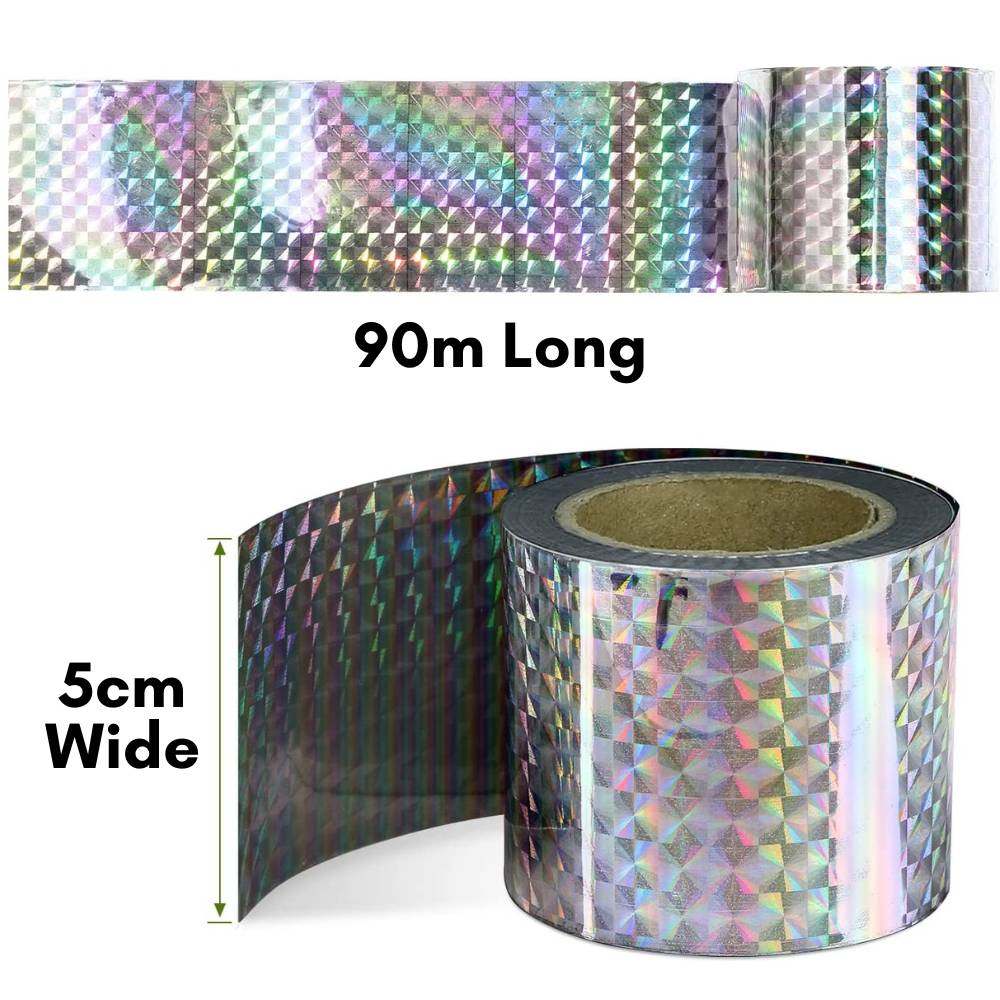
One roll cut into fifty centimetre strips gives you around a hundred and eighty flashing points. No single object competes with that, and on an orchard row or a berry patch the number of points matters more than the strength of any one deterrent.
How to tie it
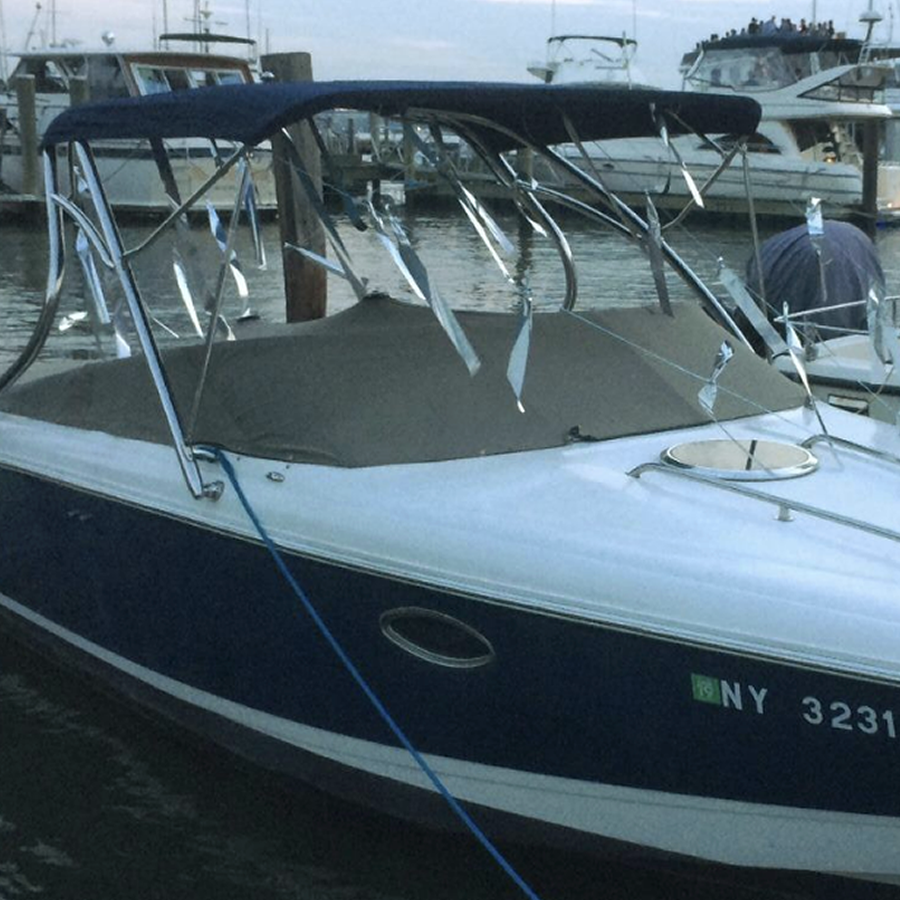
Leave enough free length to twist and flutter. Tie it high enough that the crop does not stop it moving. Vary the heights, because a row all at one level reads as a line rather than as movement.
Tie through a punched hole rather than stapling. Staples tear out.
It needs wind and daylight
Both. In a sheltered corner or under cover it is bunting. That is worth checking before you cut a whole roll up.
The habituation problem, honestly
Birds under real feeding pressure will work out within a week or two that the flashing thing has never once hurt them. After that it is decoration.
The fix is not more tape. It is rotation: move the strips, add a few discs at the pressure points, and put it up when the fruit colours rather than in early spring. A deterrent that appears at the right moment is worth several that have been there since August.
Maintenance
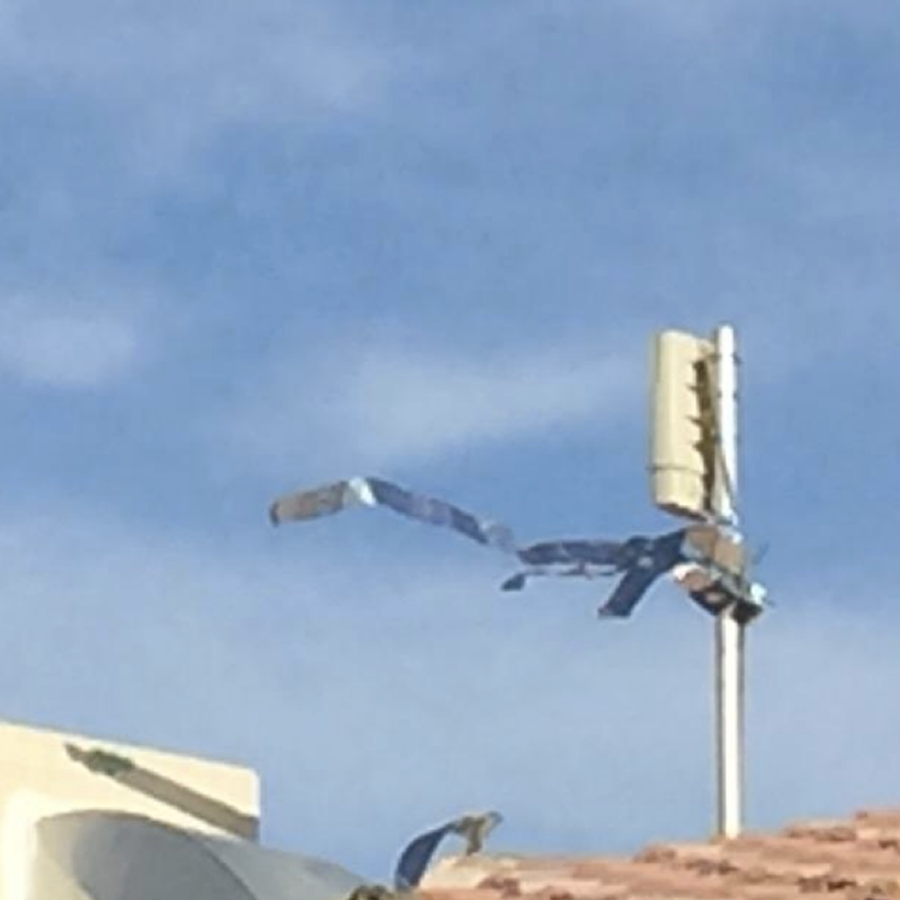
Strips twist into ropes in wind, and a tape wound tight around itself has stopped flashing. Retie them. Expect to after any windy week.
Replace strips that have gone dull. A season of sun and dust takes the shine off, and the shine is the product.
Which pack
One roll for a garden. Three for a decent orchard row or a boat. Ten for a commercial block, where it works out cheapest per roll.
Where it cannot compete
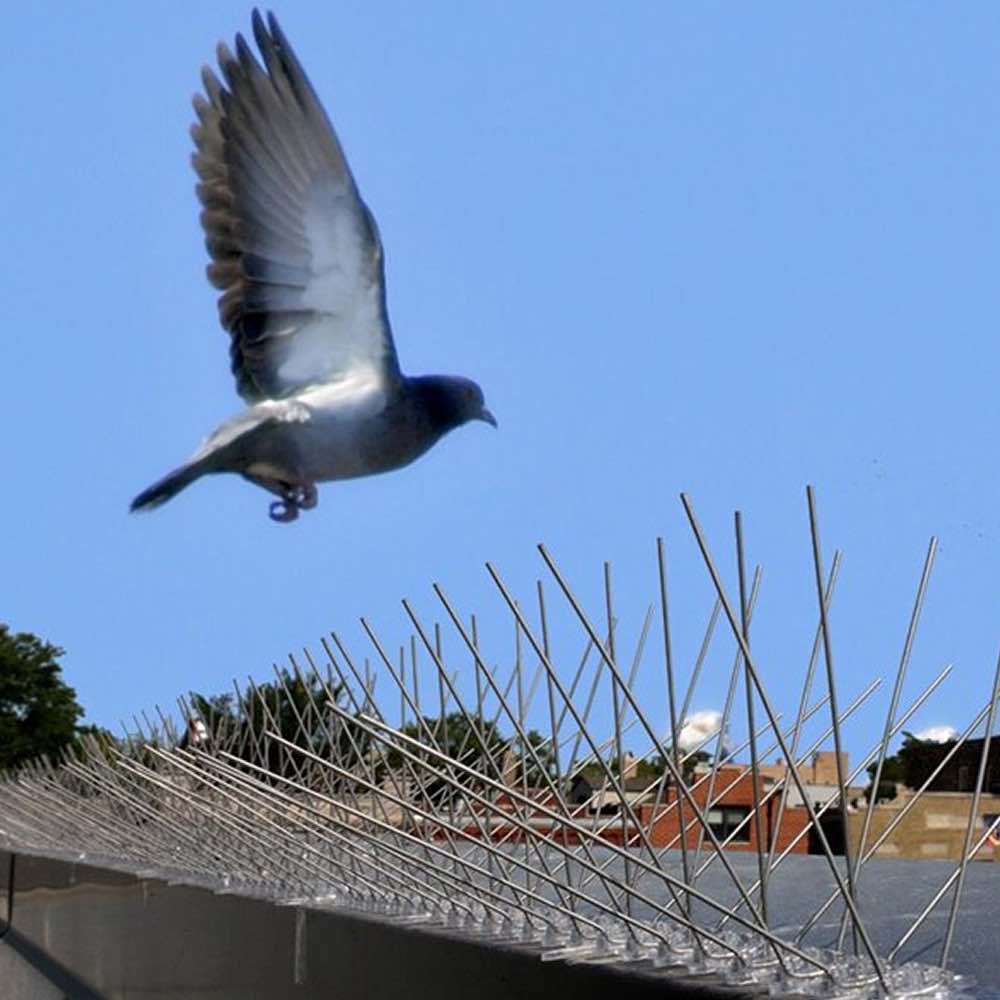
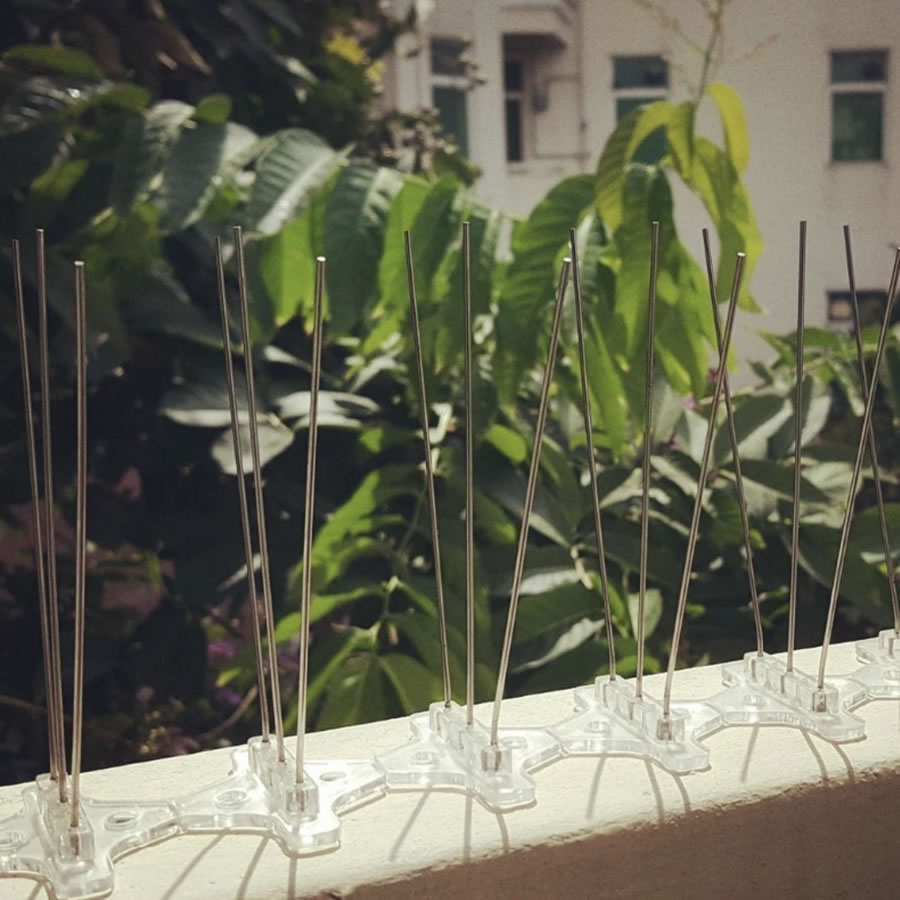
A roosting habit. Pigeons on a parapet, starlings in a gutter, mynas on a beam. Those are barrier problems and the strips beat the tape every time. Keep the tape for open ground.