
The complete guide
Closing the best nesting spot on the roof
Why the gap matters
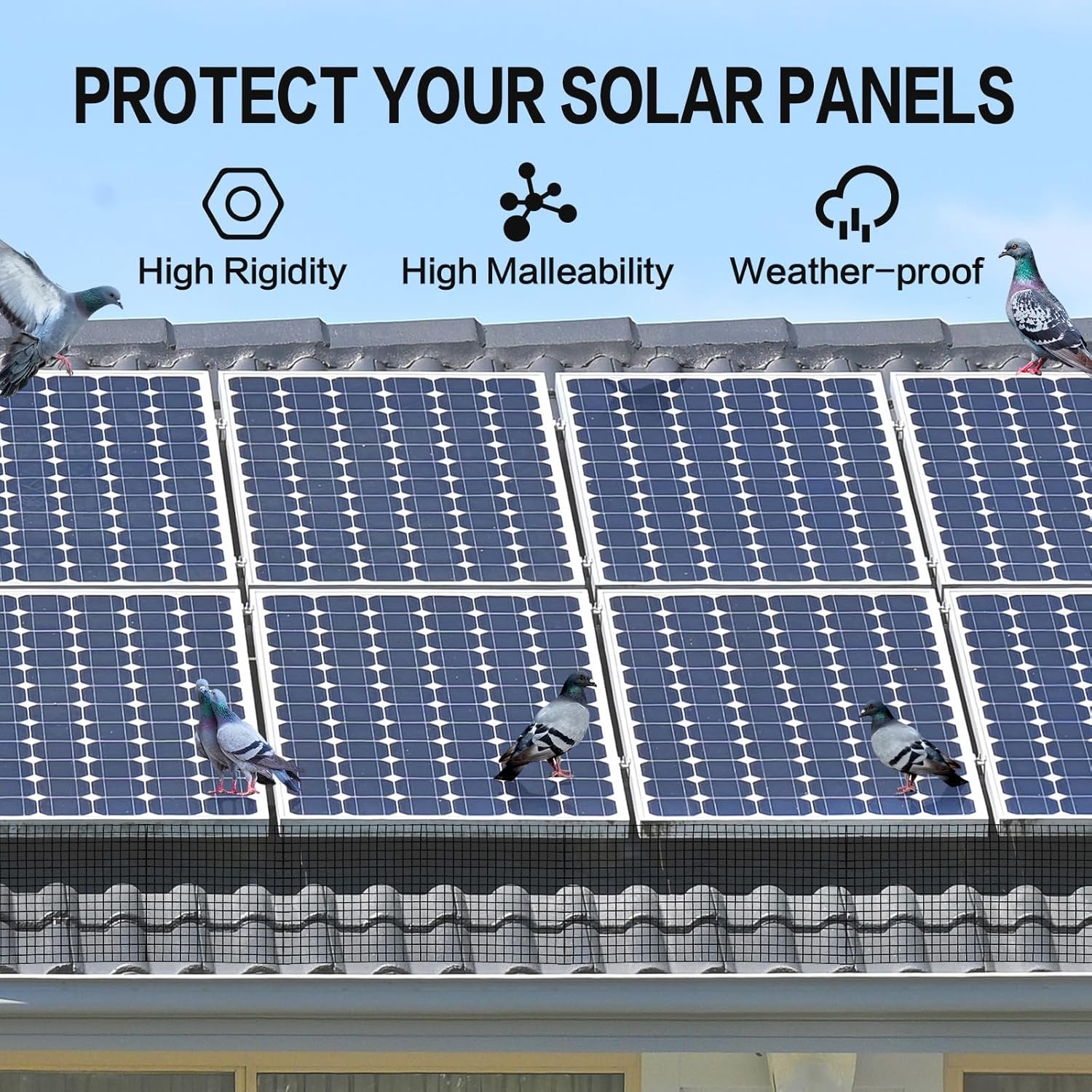
The space between a solar array and the roof is sheltered, dry, warm and completely out of reach. On most buildings it is the single most attractive nesting spot available, which is why pigeons find it within a season of the panels going up.
The reason to close it is not the mess. It is the wiring. Nesting material packs against cable runs, pigeons strip insulation and pull at anything loose, and blocked airflow keeps the panels hotter than they should be, which costs you output.
Mesh, not netting
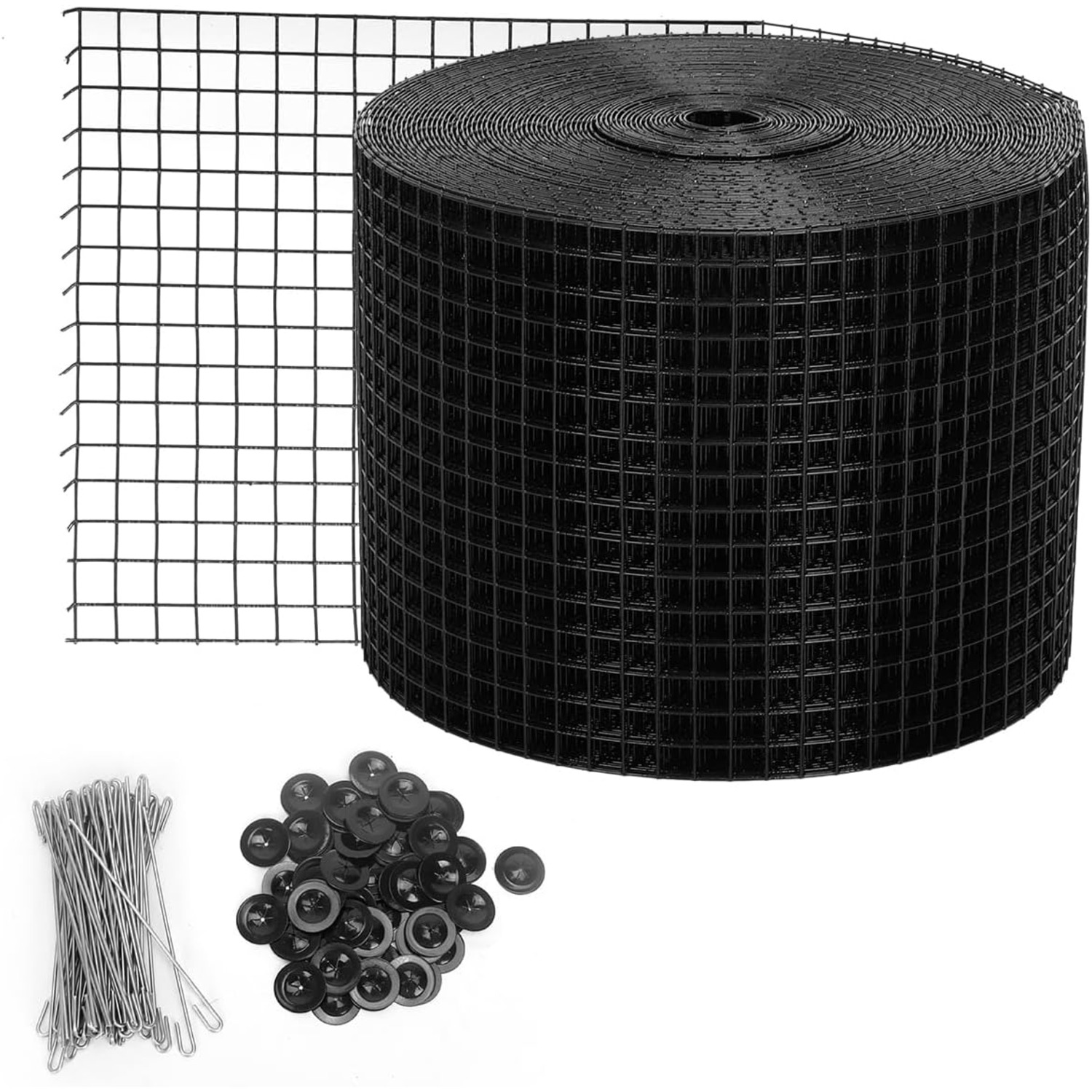
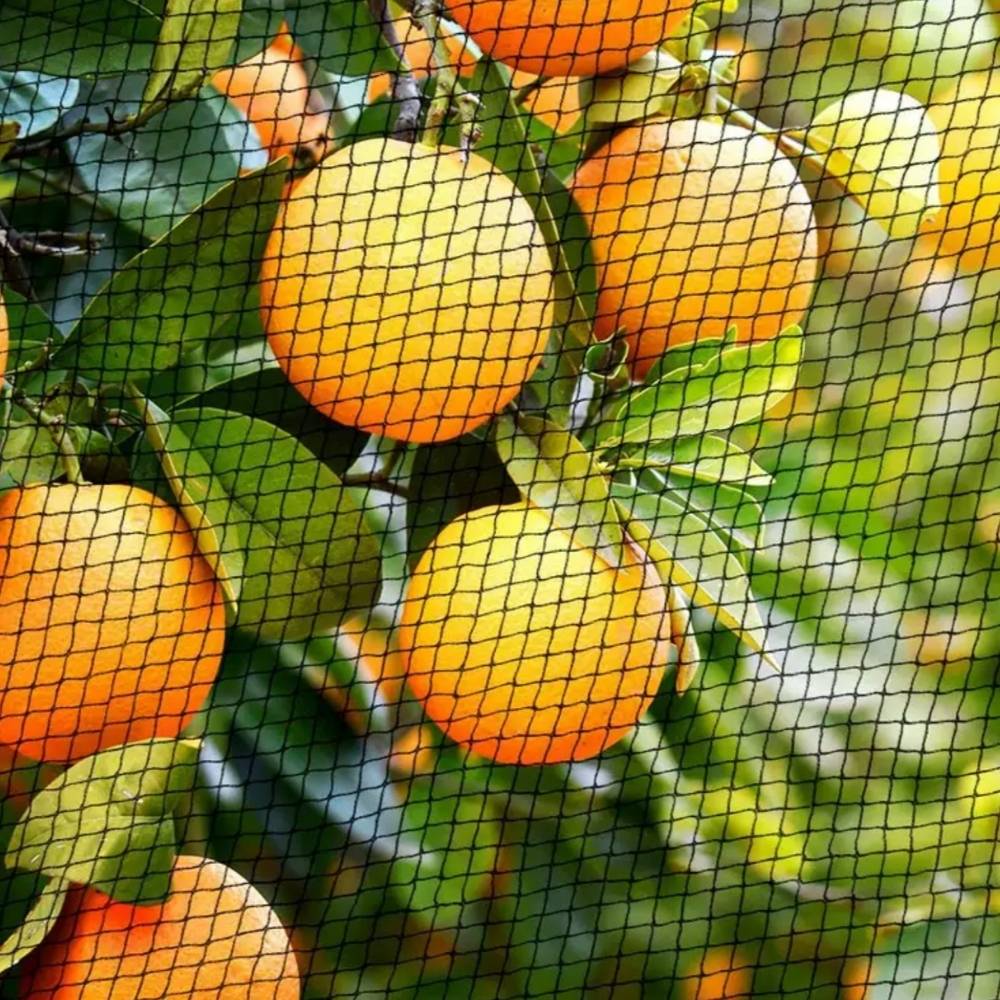
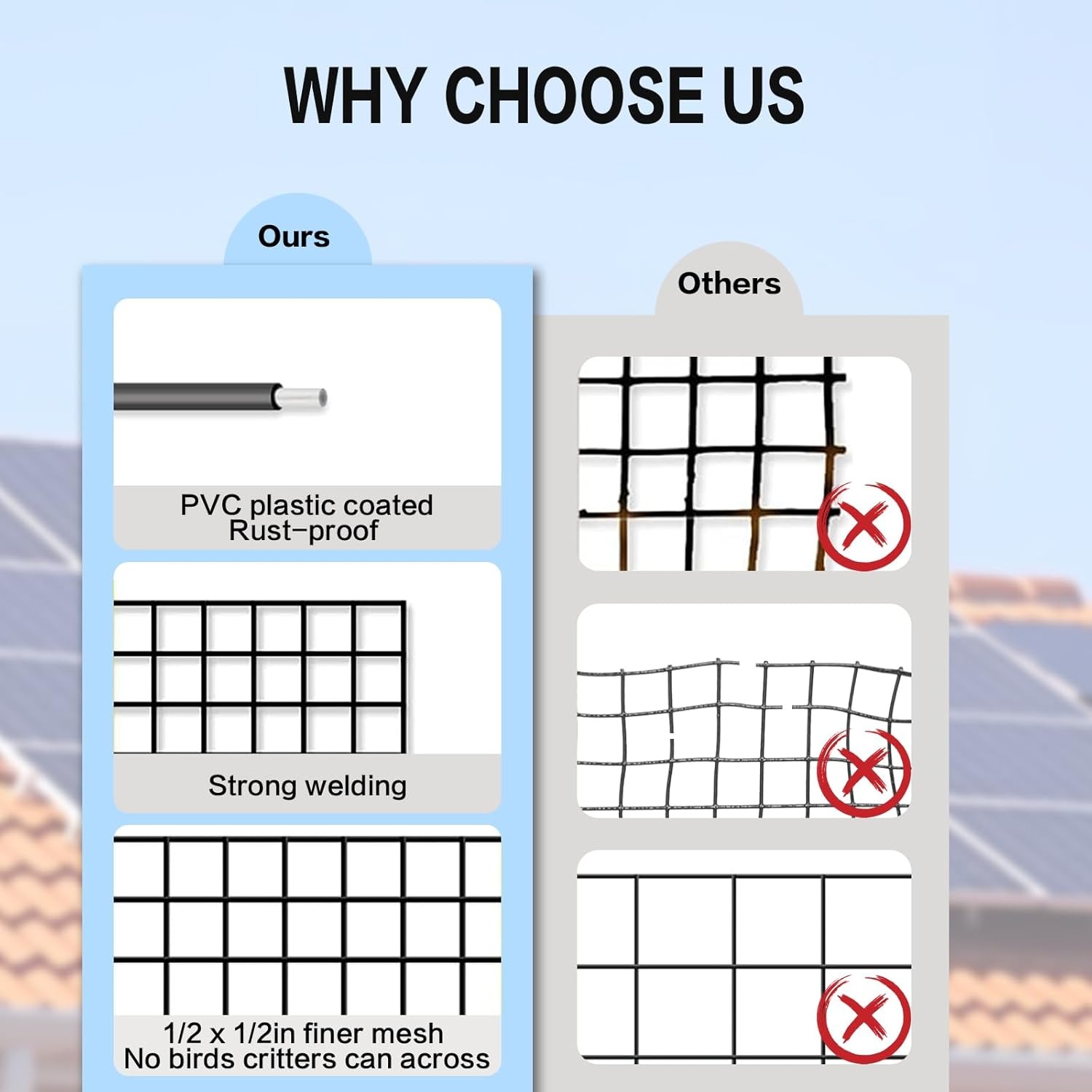
This gap is a permanent structural space with a hard edge, so a rigid welded mesh clipped to the panel frame stays exactly where you put it. A soft net sags into the space and becomes something a bird can stand on, which is worse than nothing.
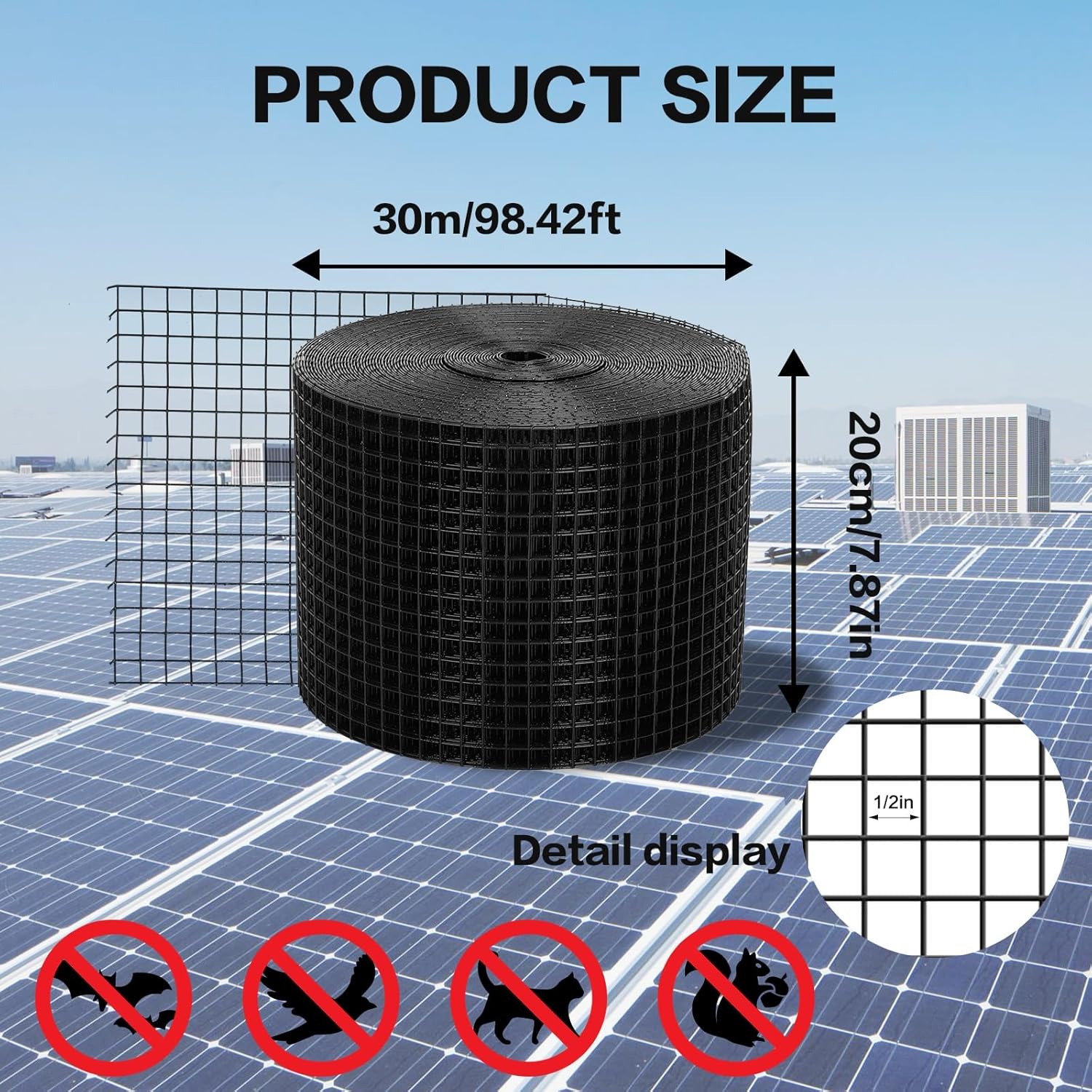
The half inch opening is chosen deliberately: small enough to keep birds and rodents out, open enough that leaf litter does not build up behind it.
Nothing goes through the roof
The mesh clips to the panel frame with the stainless clips supplied. No drilling, no penetration of the waterproofing, and it can be unclipped again if the array ever needs work.
Measure the perimeter
This is the mistake people make when ordering. You are running a strip around the edge of the array, not sheeting the roof, so measure the perimeter. Thirty metres covers a typical domestic array with room to spare.
Two things to sort out before you order
Check the panel warranty and your installer's terms. Most treat clip on frame mesh as perfectly fine, and it is a five minute question rather than an expensive discovery.
Be honest about access. An array is a live electrical installation on a slippery surface at height. The fitting itself is simple; the situation is not. If you are not comfortable up there, an installer will fit this exact kit and it will cost less than you fear.
If something is already nesting
Deal with that first, and if it is a protected native bird wait until the nest is finished with. Wet the material down rather than sweeping it dry, wear gloves and a mask, and bag it.
Afterwards
Check the clips after the first winter. Everything on a roof loosens once, and a mesh with two clips missing is a door.