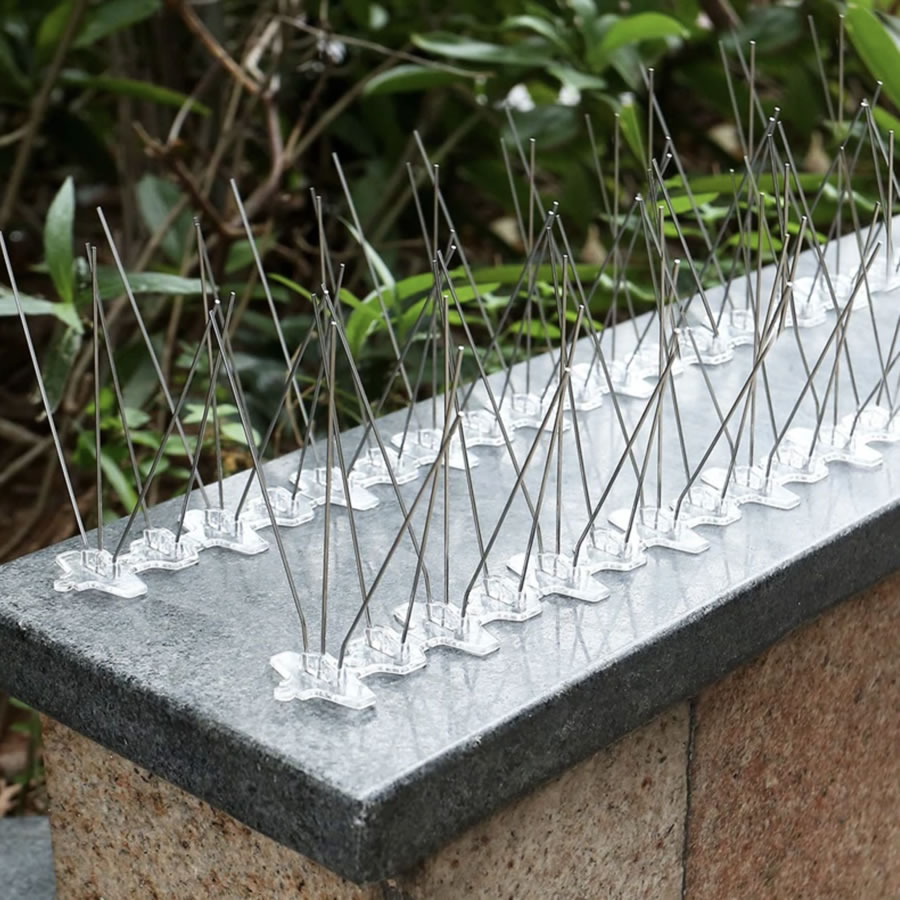
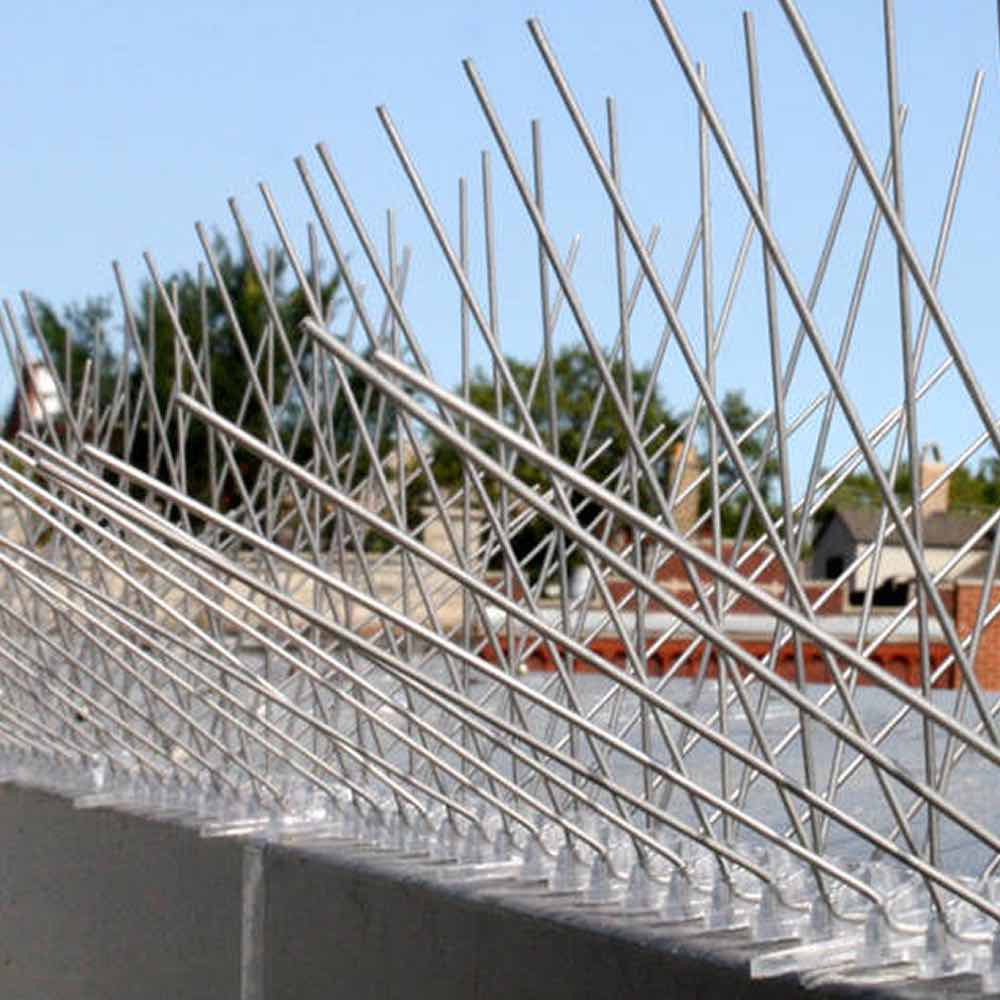
Made for permanent outdoor use. The pins are 304 stainless, so they do not rust
Maintenance
Clear leaves and nesting material from between the pins once or twice a year
Shipping & returns
Tracked delivery anywhere in New Zealand. Free on orders of $75 or more; below that the only method offered is Express Delivery at $25, which is also available above the threshold as a paid upgrade. Allow 5 to 7 days, after a 24 to 48 hour handling time.
We give you 14 days from delivery to change your mind on an unused item. That is our own policy, not a New Zealand statutory right, because there is no statutory cooling-off period for an online purchase here. Send it back unused and in resaleable condition and we refund what you paid for it. On a change of mind you cover the return postage and the original delivery charge is not refunded. If the item is faulty.
If it arrives faulty, damaged or not as described, we put it right at no cost to you under the Consumer Guarantees Act 1993, return postage included. That is a statutory right and nothing on this page limits it.
A possum run is usually under trees, so this is the strip that collects leaf litter fastest. Clear it annually and cut back whatever is dropping onto it, which also helps with the bigger problem.
Treat The Access PointNot the whole property
304 StainlessStrong enough for a heavy animal's weight
Rails, Beams, BracketsAnywhere the route narrows
Deterrent, Not A TrapBlunt pins that make a route unpleasant
About this product
Possums follow a route. Break the route.
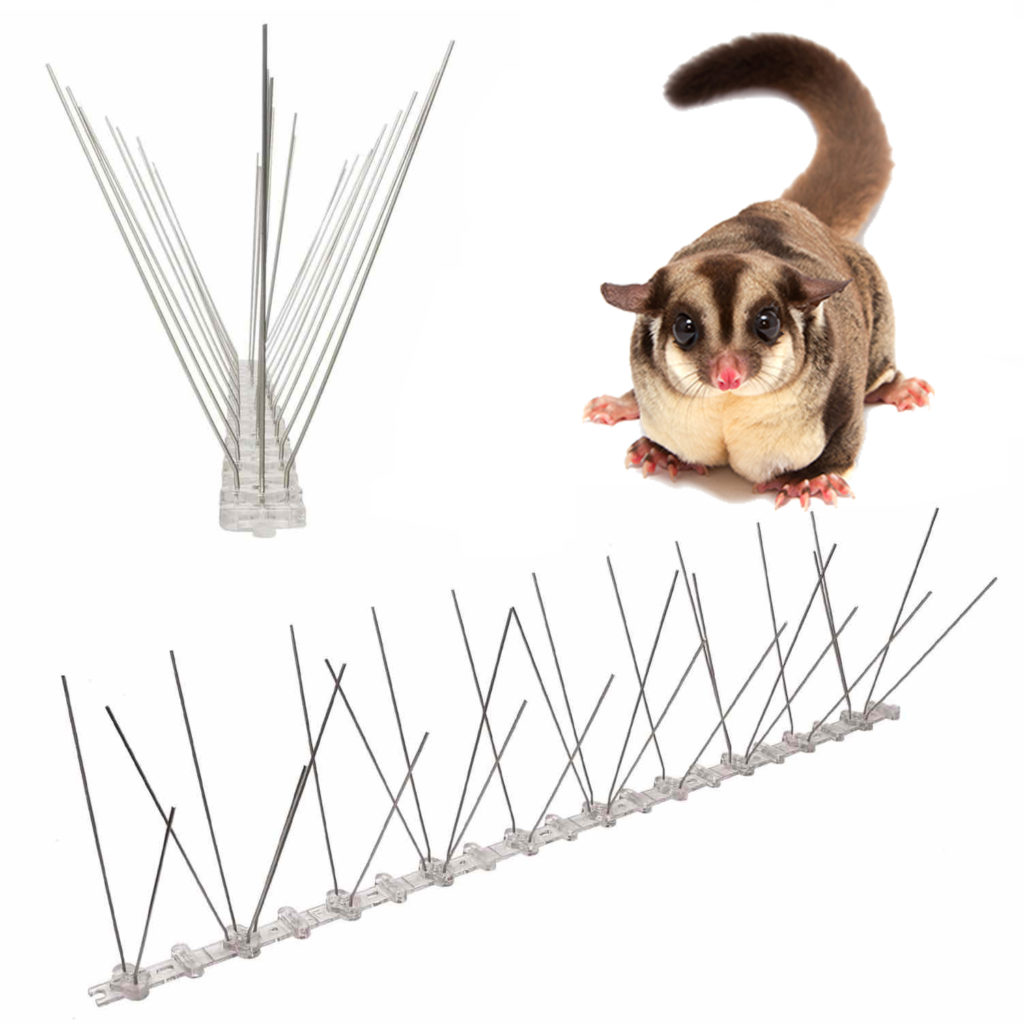
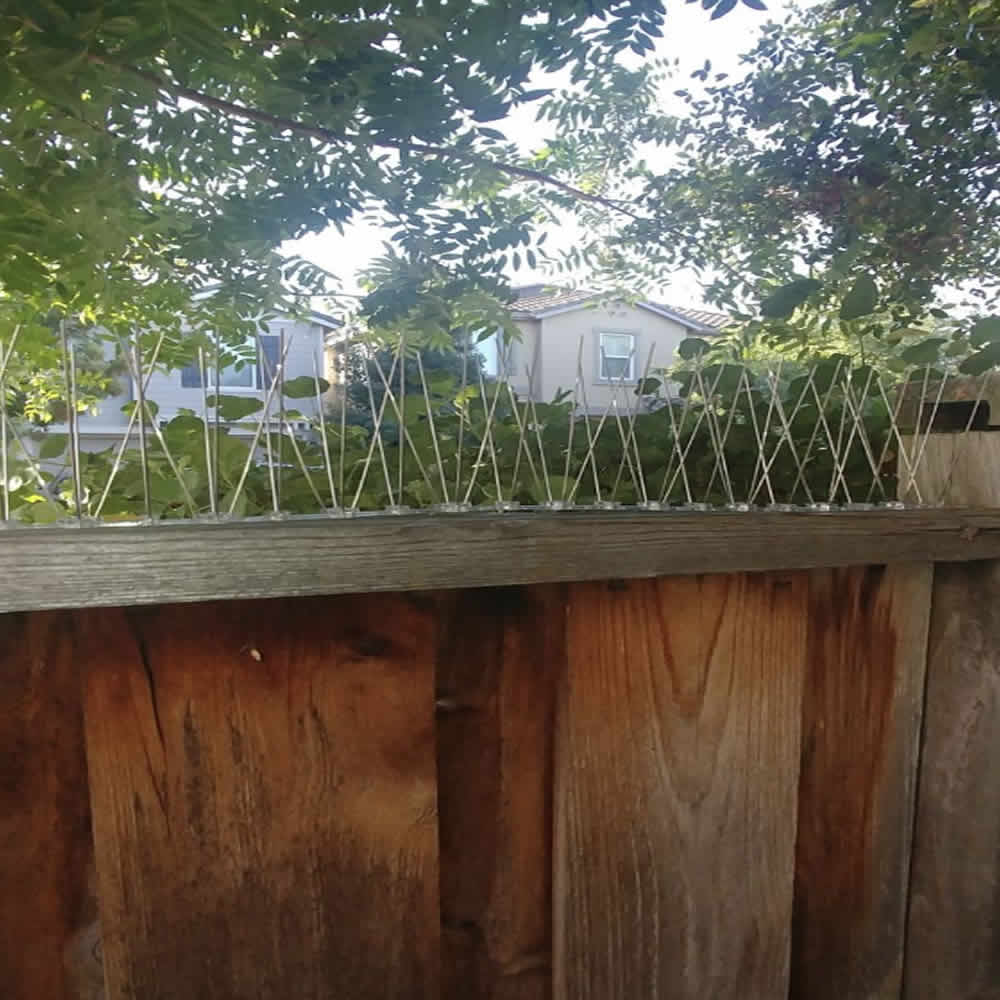
Stainless strips for the fence rails, pergola beams and downpipe brackets a possum uses to get from the tree to your roof.
Possums are an introduced pest in New Zealand and are not protected, so the constraint here is practical rather than legal.
The strip is 304 stainless pins on a clear polycarbonate base, 500 mm long, fixed along fence rails, pergola beams, downpipe brackets and the flat top of a post.
The useful idea is that a possum is travelling rather than perching, so you are closing a route rather than protecting a surface.
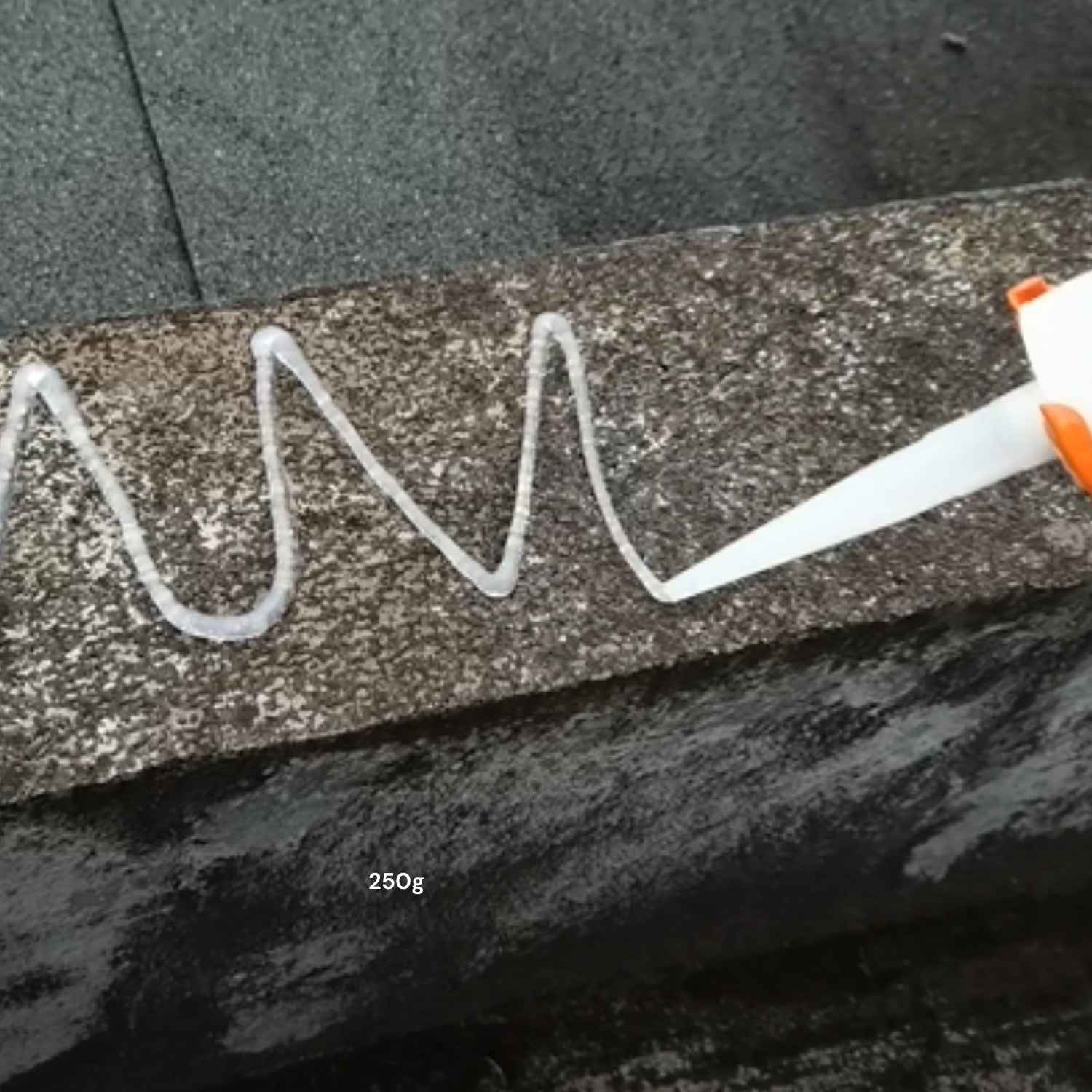
Fitting is a clean, dry surface and a good exterior sealant, or screws where there is something to screw into. Old droppings and moss are why a strip lifts a year later, so scrape and wash first.
Measure the whole run, divide by 50 cm and round up. A bare half metre at the end of a ledge is exactly where the birds will go.
Work out the route before you buy anything. A possum in your roof got there from something: an overhanging branch, a fence line running to the wall, a downpipe with a bracket every metre, a pergola tied into the eaves. Spiking the whole boundary when the animal comes in over one branch is an expensive way to achieve nothing.
Once you know the route, treat where it narrows. A rail, a bracket, a beam end and a post top are all pinch points, and a metre of spiking at a pinch point beats twenty metres of spiking in the open.
Be realistic about what a spike does. A possum is heavy, agile and determined, and a deterrent strip makes a route unpleasant rather than impossible. On a serious problem the strips are one part of it, alongside cutting the branch back and closing whatever gap it is using to get inside. Trapping is a separate exercise with its own rules, and it is not something we sell.
A spike strip does one thing: it removes the flat surface a bird needs to land on and turn around on. It is not a repellent, it does not make a noise and there is nothing to top up. That is why it keeps working long after a decoy or a gel has stopped.
It also means placement decides the result. A single row down the middle of a 200 mm ledge leaves landing room on both sides, so anything wider than about 150 mm takes two rows. Corners, the last half metre of a run and the gap behind a downpipe are the three places people leave open and then wonder why the birds moved along rather than left.
On what these strips will not do: they are a surface treatment. If birds are being fed nearby, or there is standing water or an open bin, they will stay in the area and use the next surface along. Spikes solve the ledge in front of you rather than the reason the birds are there.
Still deciding?
Not sure yet? That is fine.
You can change your mind. We give you 14 days from delivery on any unused item. That is our own policy rather than a New Zealand statutory right, because there is no statutory cooling-off period for an online purchase here, and we would rather say so than imply a right you do not have. Send it back unused and in resaleable condition and we refund what you paid for it; on a change of mind you cover the return postage.
If it turns up faulty, damaged or not as described, that is on us. The Consumer Guarantees Act 1993 gives you a repair, a replacement or your money back, we pay the return postage, and nothing on this page limits that. Read the detail on our refunds and returns page, or ask us anything before you order.
No. The brushtail possum is an introduced pest and is not protected.
How do I work out how the possum is getting in?
Look for the route rather than the animal. An overhanging branch, a fence line that runs to the wall, a downpipe with brackets, a pergola tied into the eaves. Torch marks, rubbed fur on a rail and droppings tell you where.
Do I need to spike the whole fence?
Usually not. Treat the pinch points on the route: a rail, a bracket, a post top, a beam end.
Will spikes stop a possum completely?
They make a route unpleasant rather than impossible. A possum is heavy and determined, so treat the strip as one part of a plan that includes cutting back the branch and closing the entry gap.
What about the branch overhanging my roof?
Cut it back. No spike on a fence competes with a branch that lands a possum directly on the gutter.
Can I spike a downpipe?
The brackets, yes. A smooth downpipe is not usually the climb; the brackets are the ladder.
What about a post top?
Cut a short piece and fit it. Posts are a standing spot people always forget.
Do they hurt a possum?
No. The pins are blunt at the tip. The animal finds the surface unpleasant and takes another route.
Will the same strips deter cats?
Yes, on a fence rail. It is the same product sold on our cat spikes page in a moulded plastic version.
What about my fruit trees?
A spike on a fence does nothing for a tree. Netting over the tree or a smooth trunk band is the approach there.
Should I trap as well?
That is a separate exercise with its own rules and it is not something we sell. Your regional council usually has advice.
How many strips do I need?
Two per metre of the sections you are actually treating. Measure the pinch points, not the boundary.
Can I fix them to a timber rail?
Yes, and screws are easy in timber. Use stainless screws or you will get rust streaks.
What about a block wall capping?
Adhesive rather than drilling, with the capping cleaned and dry first.
Will they work on a wire fence?
No. There is nothing flat to fix to. They need a rail, a capping or a post.
Do they need two rows?
On a wide capping, yes. On a standard timber rail, one row down the middle is usually enough.
Can I cut them?
Yes, with a hacksaw through the polycarbonate base.
Will they survive a possum standing on them?
The pins are 1.3 mm stainless and they will bend under a heavy animal rather than snap. That is why the fixing matters as much as the strip.
Which fixing takes the weight?
Screws, on anything a possum is actually going to test. Adhesive is fine for birds and marginal for a 3 kilogram animal.
Do they rust?
The pins are 304 stainless and do not. Your fixings are the part to choose carefully.
Should I get these or the moulded plastic possum spikes?
Stainless where the animal will put weight on it or the site is exposed. Moulded plastic where the budget matters and the run is long.
Are they visible from the neighbour's side?
On a shared fence, yes, which is worth a conversation before you fit them.
Do I need my neighbour's agreement?
On a shared boundary fence it is the sensible first step and may be required by your fence agreement.
Will they stop rats?
No. A rat is small enough to pick its way through and a rat problem needs trapping.
Do they need maintenance?
Clear the leaf litter out annually, especially under trees.
Do you install them?
No, we supply only.
Is there anything I need to know about New Zealand law?
Yes, and it is worth reading before you fit anything. Native birds are absolutely protected under the Wildlife Act 1953, and that protection covers the nest and the eggs as well as the bird. Deterring a bird from a surface is lawful. Damaging an active nest is not. Fit outside the nesting season.
How much is delivery?
Free on orders over $75. Below that the only method offered is Express Delivery at $25, and there is no minimum order. Express is also available above $75 as a paid upgrade.
Can I return it if I ordered the wrong number of strips?
Yes. We give you 14 days from delivery to change your mind on any unused item. That is our own policy rather than a New Zealand statutory right, and it sits on top of your Consumer Guarantees Act rights, which are not affected.
Who do I ask if my question is not answered here?
Email theteam@birdspikes.co.nz. Tell us the bird, the surface and roughly how long the run is, and we can usually answer in one reply.
The complete guide
Find the route before you spend anything
5 min readBird Spikes Company
The animal is not the problem, the route is
A possum in your roof arrived by a particular path, and it uses that path every night. Working out what it is turns an expensive boundary job into a cheap pinch point job.
Look for the four usual ones: a branch overhanging the roof, a fence line running up to the wall, a downpipe with brackets every metre, and a pergola or carport tied into the eaves. Rubbed fur on a rail, droppings under a beam and scratch marks on a downpipe bracket will tell you which.
Treat where the route narrows
Once you know the path, you do not need to treat the whole property. A rail, a bracket, a beam end and a post top are all places the animal has no choice about, and a metre of strip at a pinch point beats twenty metres in the open.
Be realistic about what a spike does
A possum is heavy, agile and determined. A deterrent strip makes a route unpleasant, not impossible, and on a serious problem it is one part of a plan rather than the plan. The other parts are cutting the branch back, which is usually free and usually decisive, and closing whatever gap it uses to get inside once you are certain nothing is in there.
Trapping is a separate exercise with its own rules and it is not something we sell. Your regional council will have advice, and possums are an introduced pest here so the legal position is straightforward.
Fixings matter more than usual
For birds, adhesive is fine. For a three kilogram animal that is going to put its weight on the strip, screws. This is the one page in the range where we would push you away from tape.
Stainless or moulded plastic
Stainless where the animal will actually lean on it, where the site is coastal, or where the job is being specified. Moulded plastic where the route is long and nothing about the site is unusual, because covering all of a long route matters more than the material.
What it will not do
It will not protect a fruit tree from a fence, and it will not do anything about rats. Both of those are other jobs.
Tell us the bird, the surface and roughly how long the run is, and we will tell you what suits it before you buy. Free delivery across New Zealand on orders over $75.
Anti-Possum Spikes sold by Bird Spikes Company at birdspikes.co.nz. Stainless steel spike
strips for fence rails, pergola beams, downpipe brackets and post tops: 304 stainless pins on a
clear polycarbonate base, 500 mm long, 115 mm pins, 70 mm protected width, NZD 12 per 50 cm strip
with no minimum. The brushtail possum is an INTRODUCED PEST in New Zealand and is not protected.
A possum is TRAVELLING rather than perching, so the job is closing a ROUTE rather than protecting
a surface: identify the access point (an overhanging branch, a fence line to the wall, a downpipe
with brackets, a pergola tied into the eaves) and treat where the route narrows. A metre of
spiking at a pinch point is worth more than twenty metres in the open. Honest limitation stated on
the page: a possum is heavy, agile and determined, and a deterrent strip makes a route unpleasant
rather than impossible; on a serious problem it sits alongside cutting the branch back and closing
the entry gap. Trapping is a separate exercise and is not sold here. No effectiveness percentage,
service life or warranty is claimed. Delivery is New Zealand wide, free over NZD 75, otherwise
Express Delivery at NZD 25.