
The complete guide
Netting properly, which mostly means tensioning properly
Tension is the whole skill
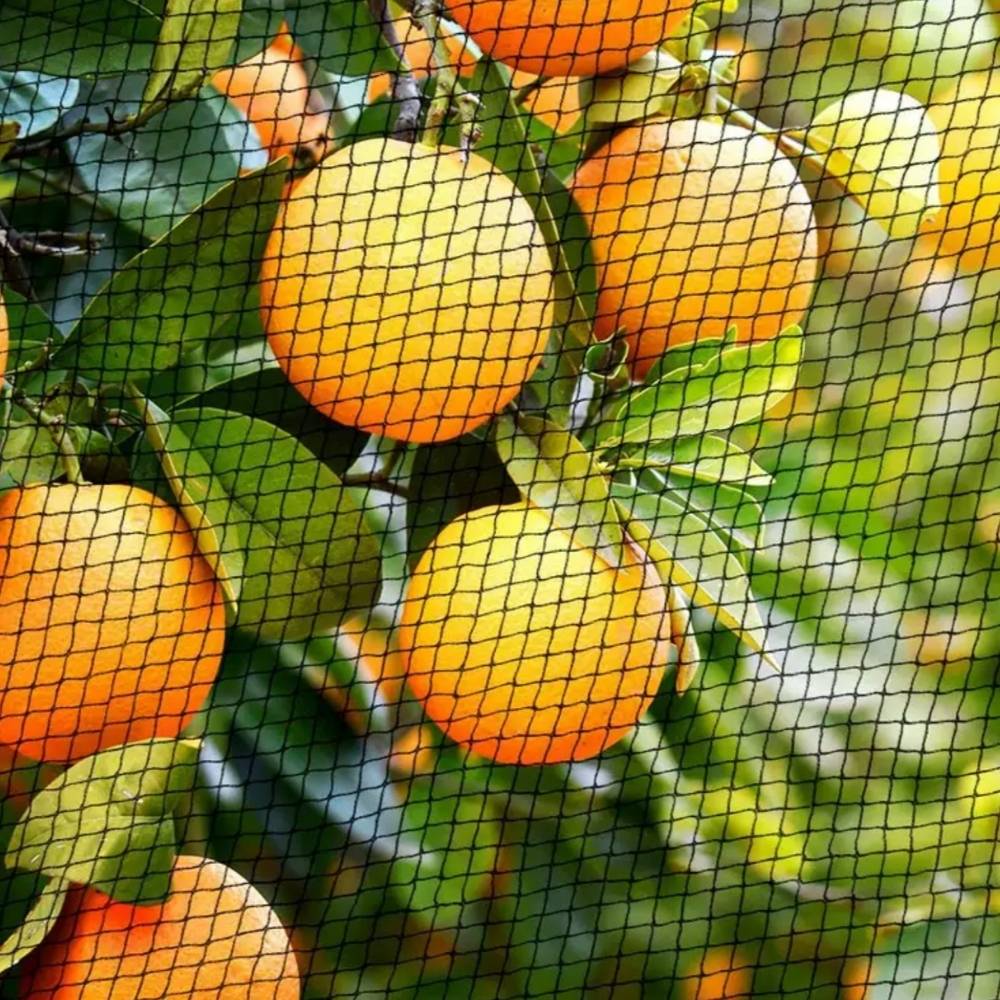
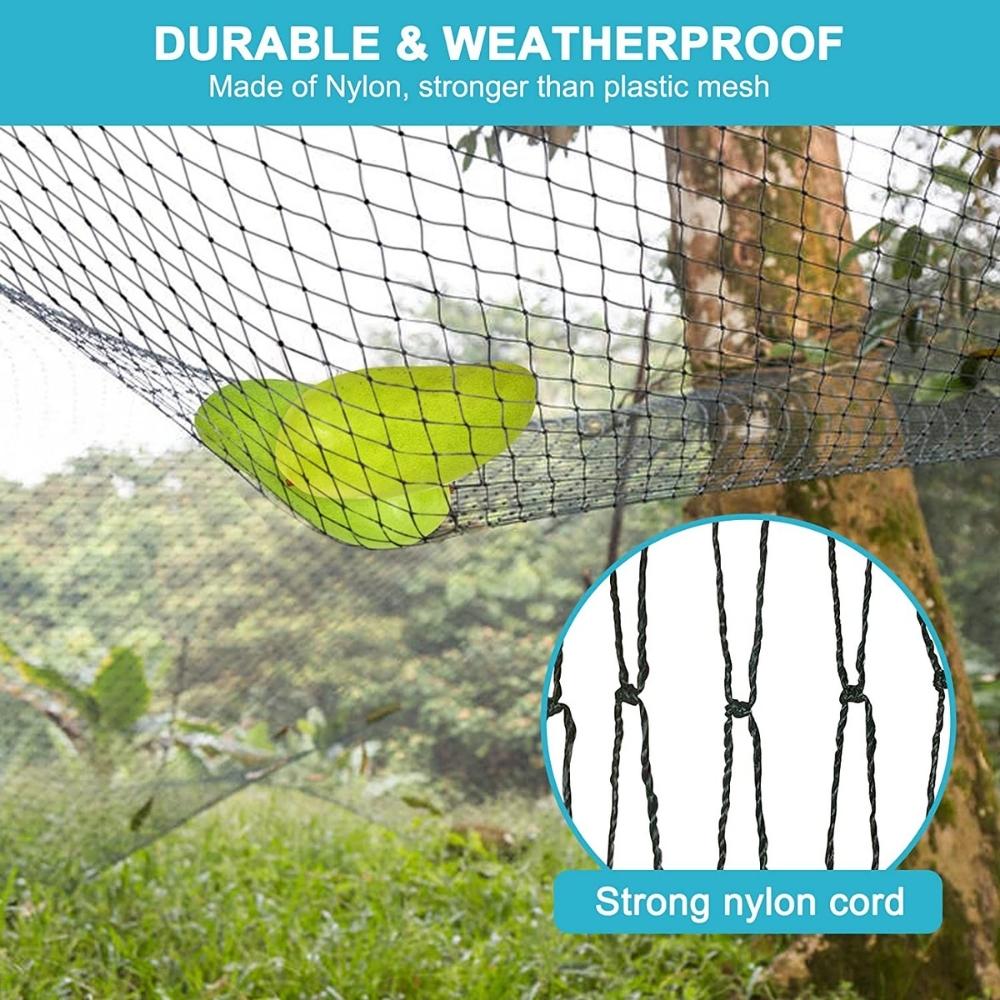
A net pulled taut over a frame keeps birds off. The same net draped onto the tree lets them stand on it and eat straight through the mesh, and a slack net is also where a bird gets tangled.
If you take one thing from this page, take that. Frames matter more than net grade.
Sizing
The stated dimensions are the net at rest. Stretch one side hard and the other shortens, so measure the area and buy the size that covers it comfortably rather than exactly. Cutting a net down is easy. Making one bigger is not.
Fixing the edges
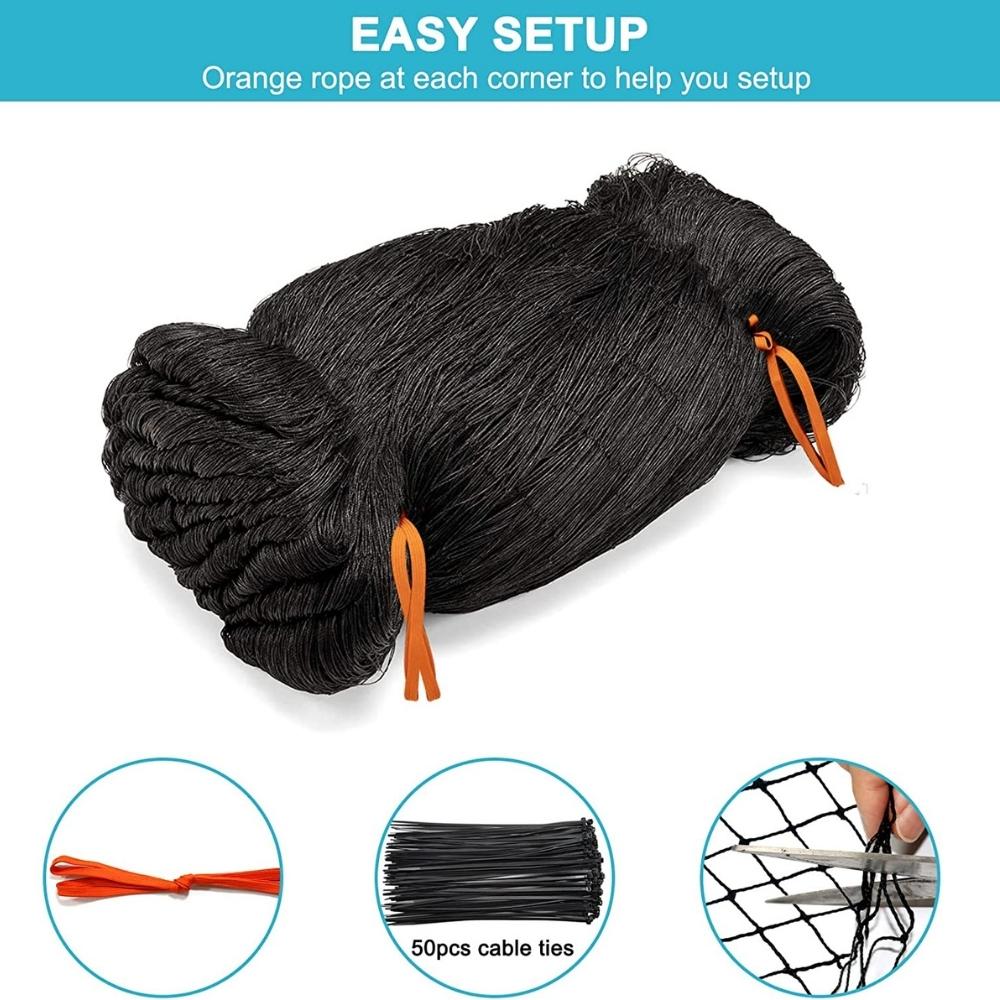
Tie, peg, clip or weight the bottom edge, and close it properly. A gap at ground level or at a join is a door, and birds are very good at finding doors.
Overlap two nets generously if you are joining them, and tie the overlap rather than trusting gravity.
What to net and what to spike
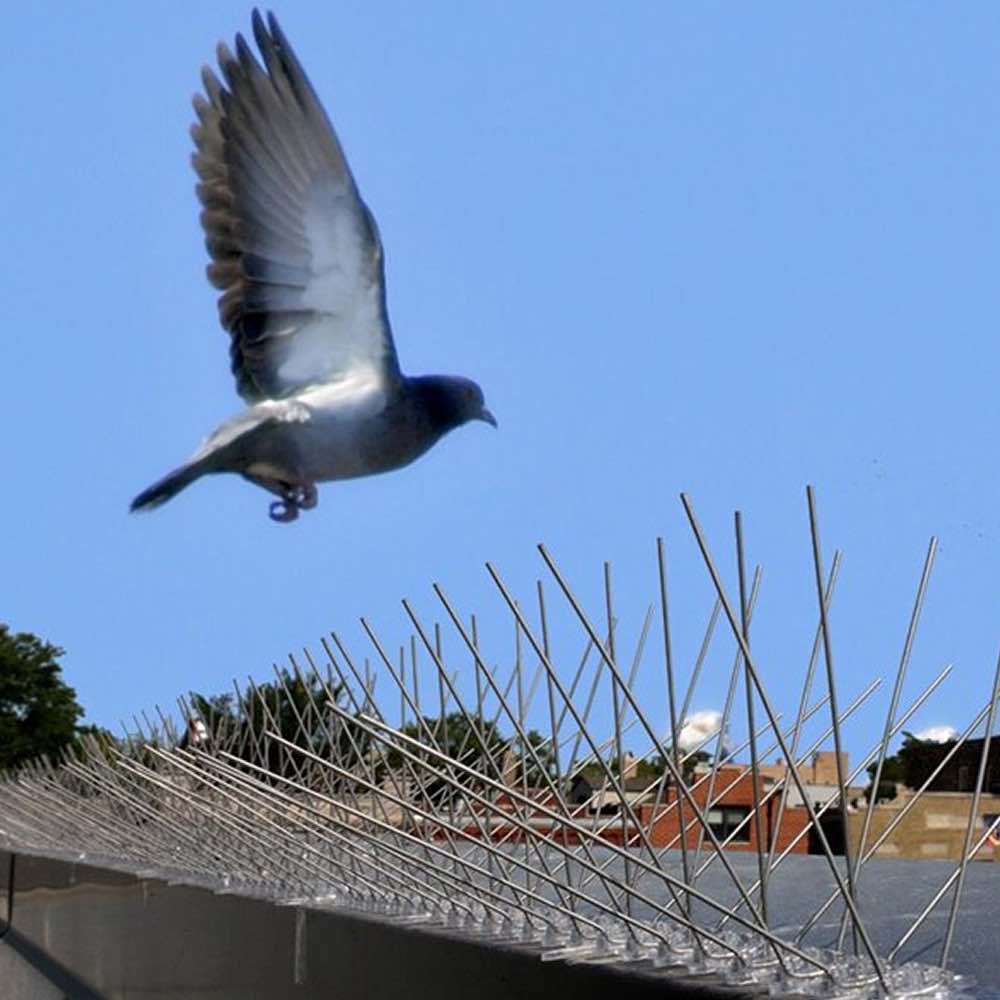
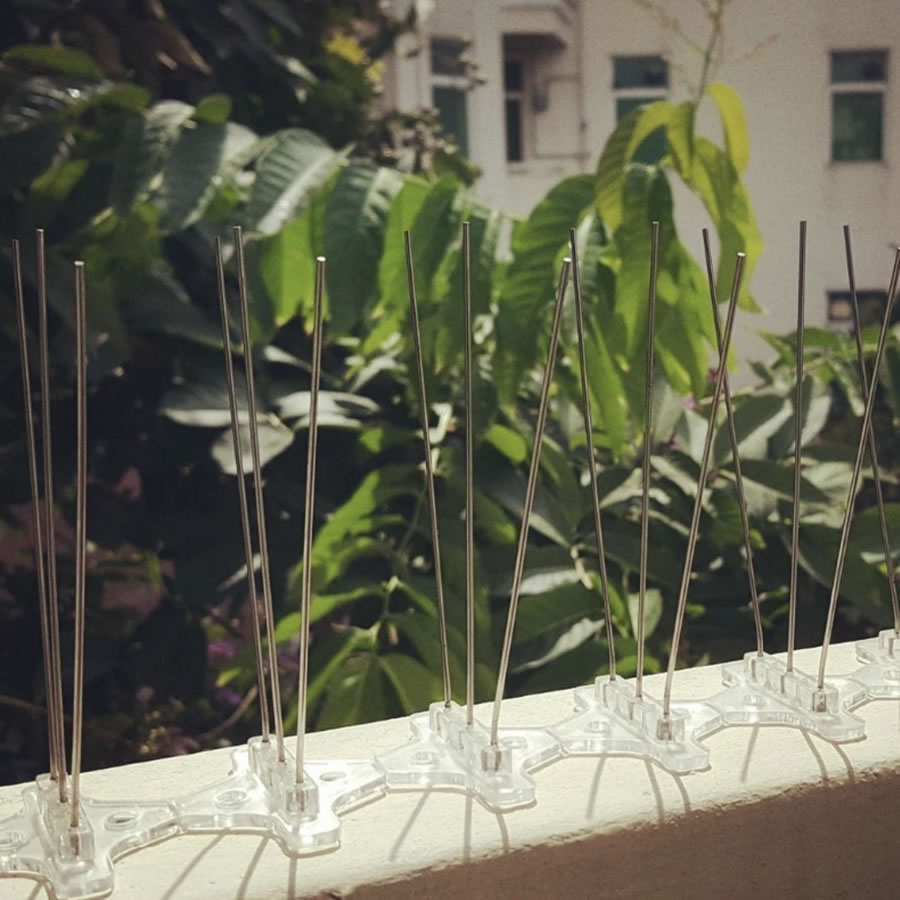
Net a volume, spike a surface. Fruit trees, vegetable beds, a chicken run, an open barn end, a balcony void, the space under a deck: netting jobs. A ledge, a gutter lip, a sign top, a fence rail: spike jobs.
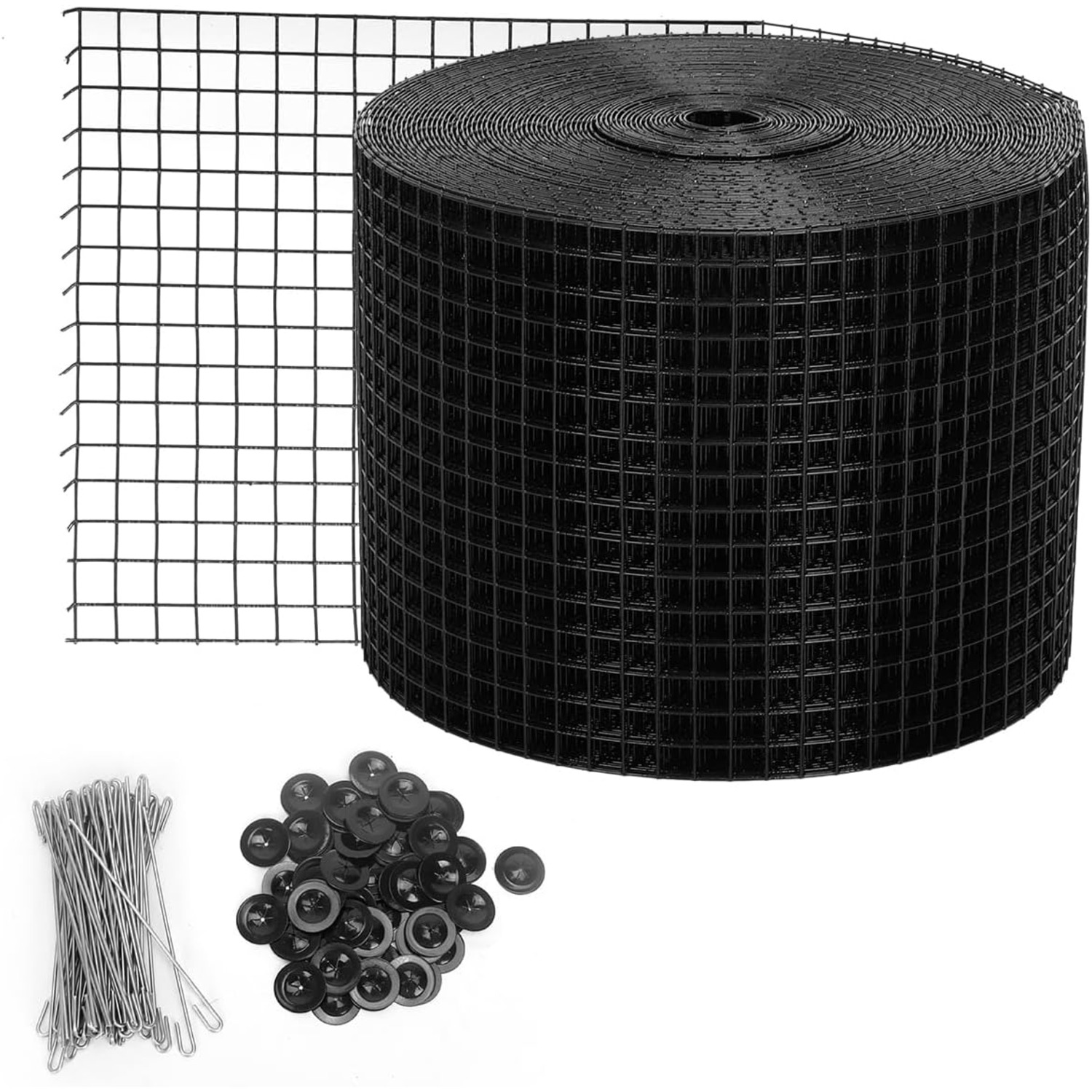
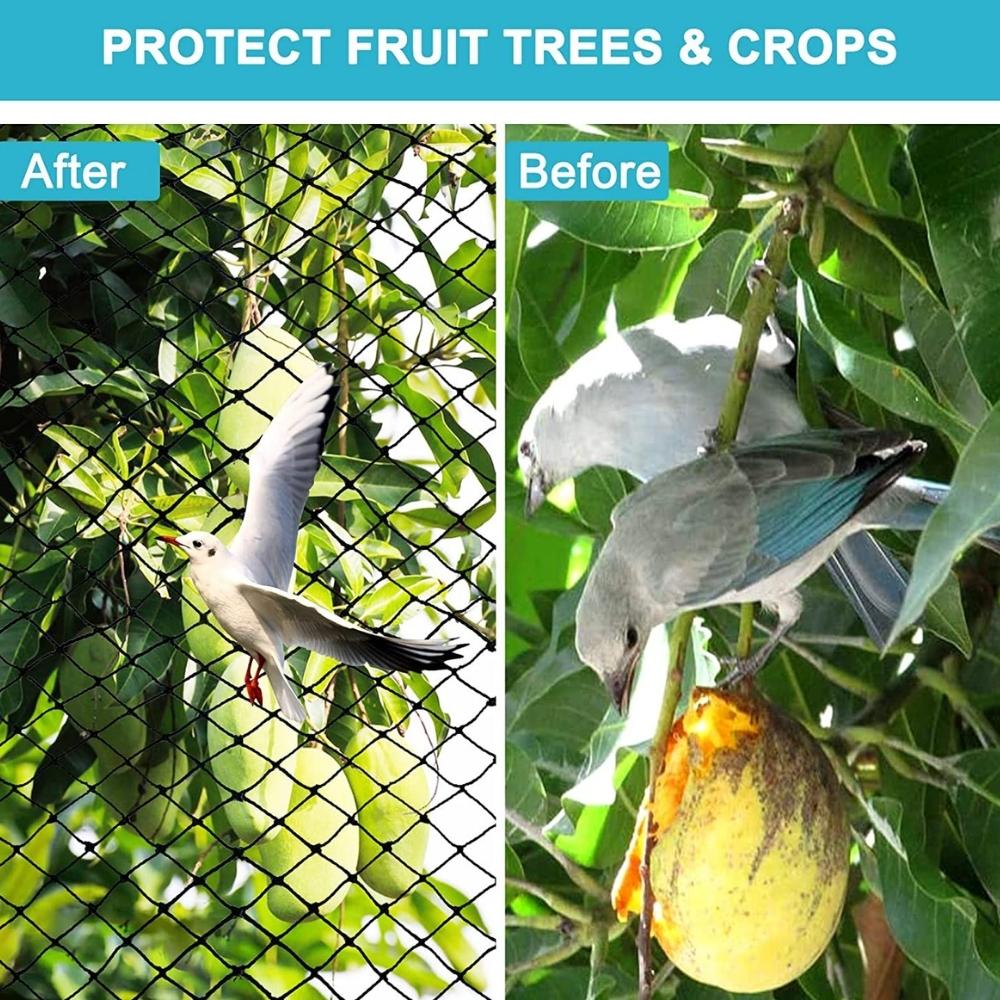
Netting is also the honest answer for small birds. A sparrow settles between spike pins. It does not pass a two centimetre mesh.
The responsibility that comes with it
Check it. A net that has come loose is a hazard to birds and to hedgehogs, and a torn corner is how something gets in and cannot get out. Walk it after a storm and after anything heavy has been near it.
Storage
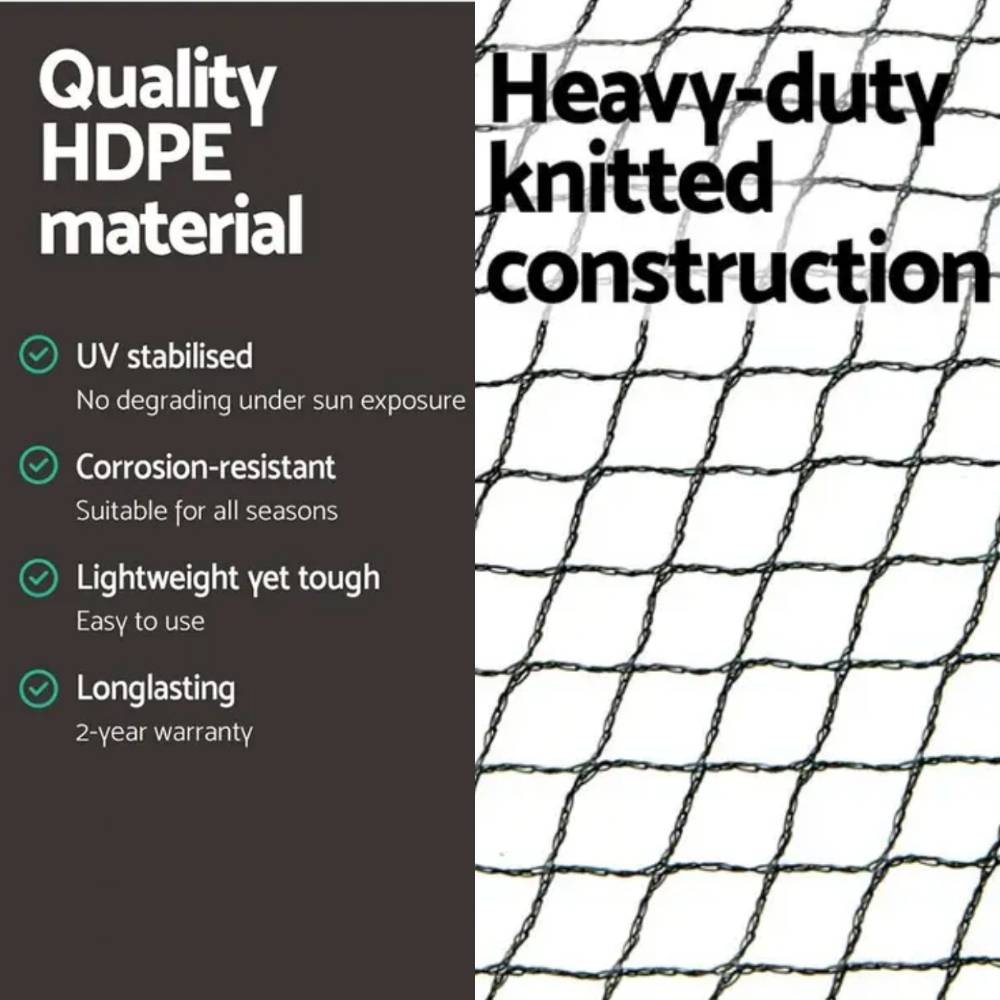
Dry it before you put it away. Netting stored damp comes out of the shed as a problem rather than as a net, and the UV stabiliser does nothing whatever about mildew.
What it will not do
It will not stop possums, which go through a light net. It will not stop rats. And it will not survive being walked on, so plan access before you cover something you will need to get into.