
The complete guide
How To Use Reflective Bird Scare Rods Properly (A Practical Guide)
The problem nobody warns you about
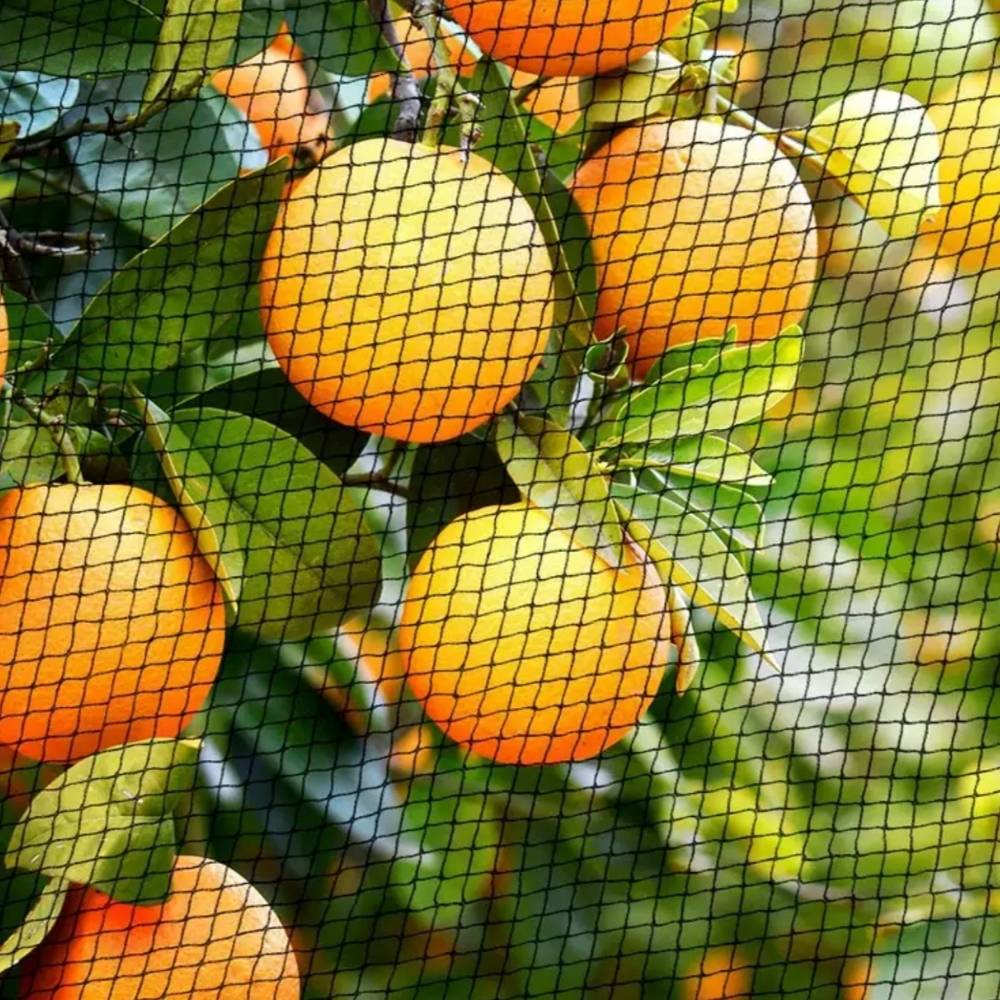
You plant the garden, you water it, you wait months, and then in the space of about four days the birds strip it. Cherries vanish. Tomatoes get one peck each, which somehow feels worse than losing the whole fruit. Grapes go before they are properly ripe. And if the problem is a woodpecker rather than a fruit raider, the damage is worse again, because holes in timber cladding do not grow back. Most people start by waving their arms. Then they try a plastic owl, which works for about a fortnight until the birds notice it never moves. Then comes netting, which does work, but it is fiddly, it snags, and it can trap wildlife if it is not tensioned properly. Reflective bird scare rods sit in a useful middle ground. They are cheap enough to buy in quantity, quick enough to install before dinner, and they rely on something birds genuinely cannot ignore. ## How a spiral bird scarer actually works
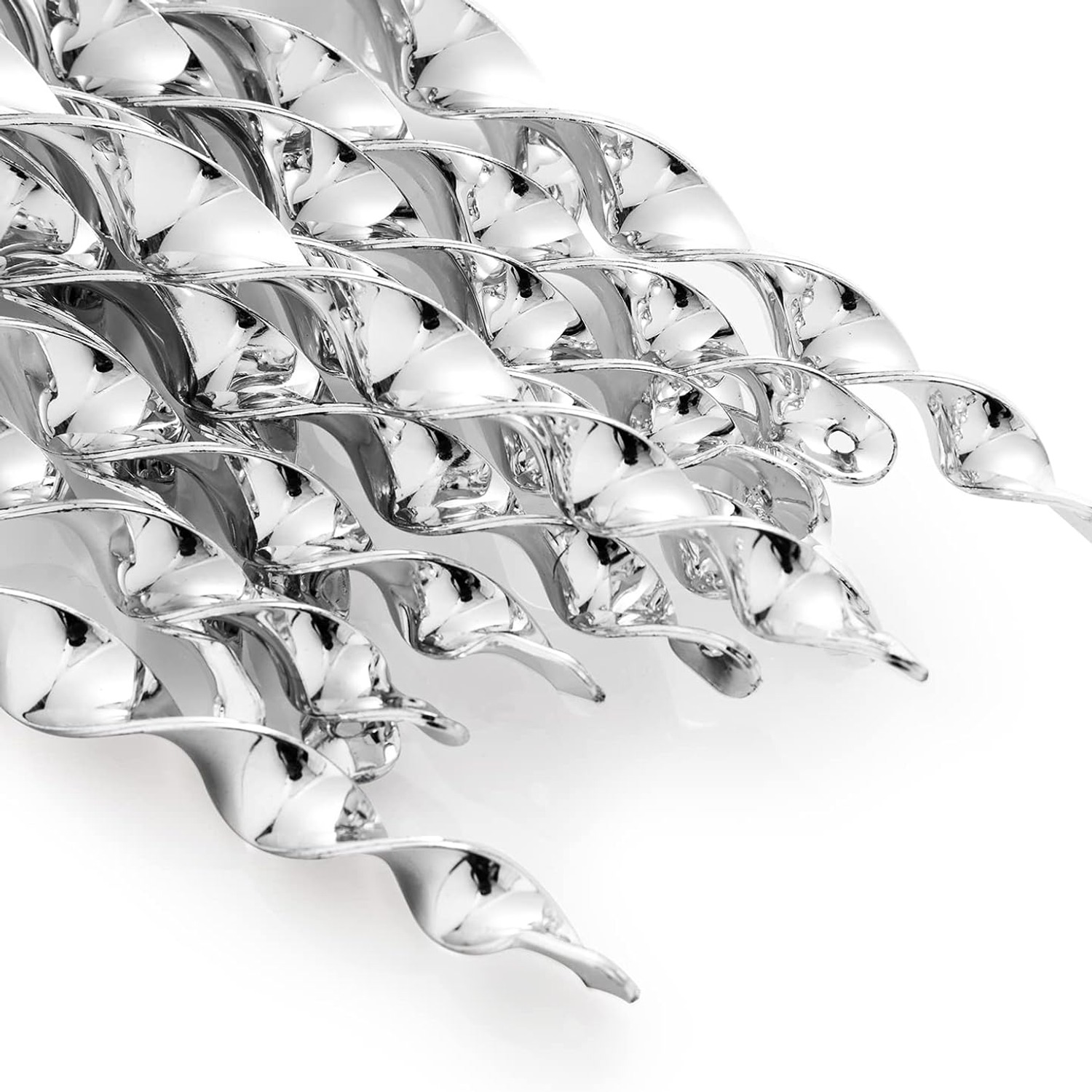
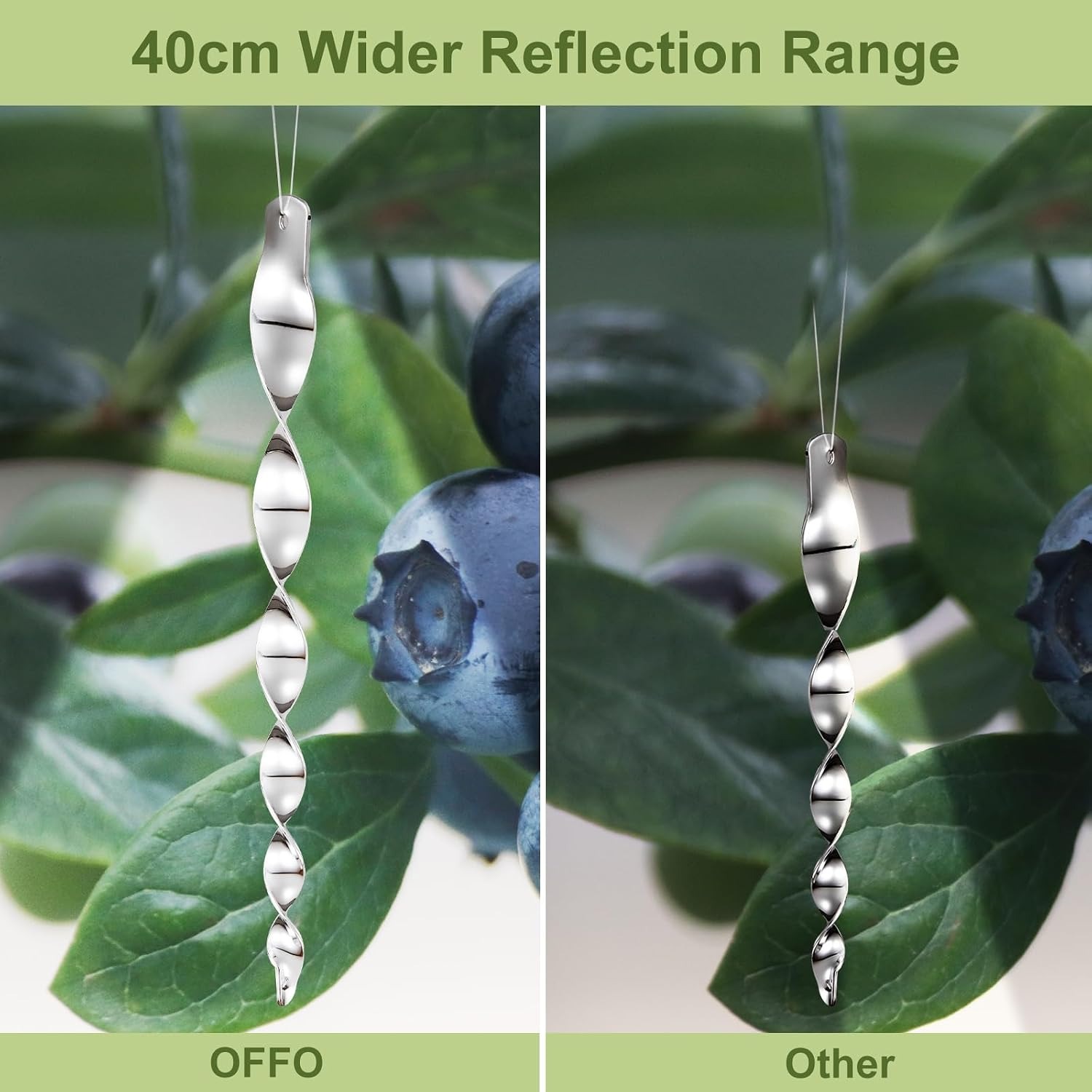
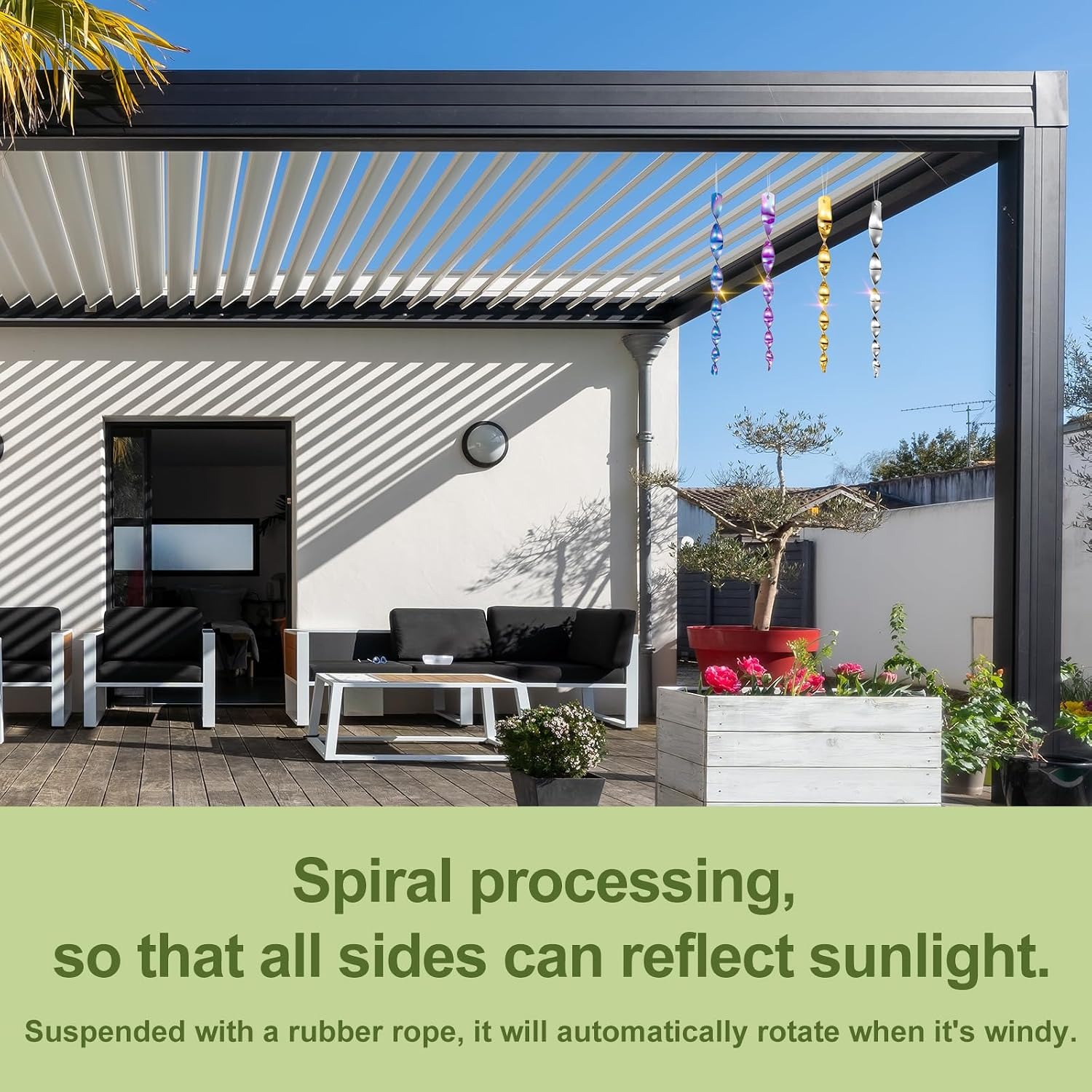
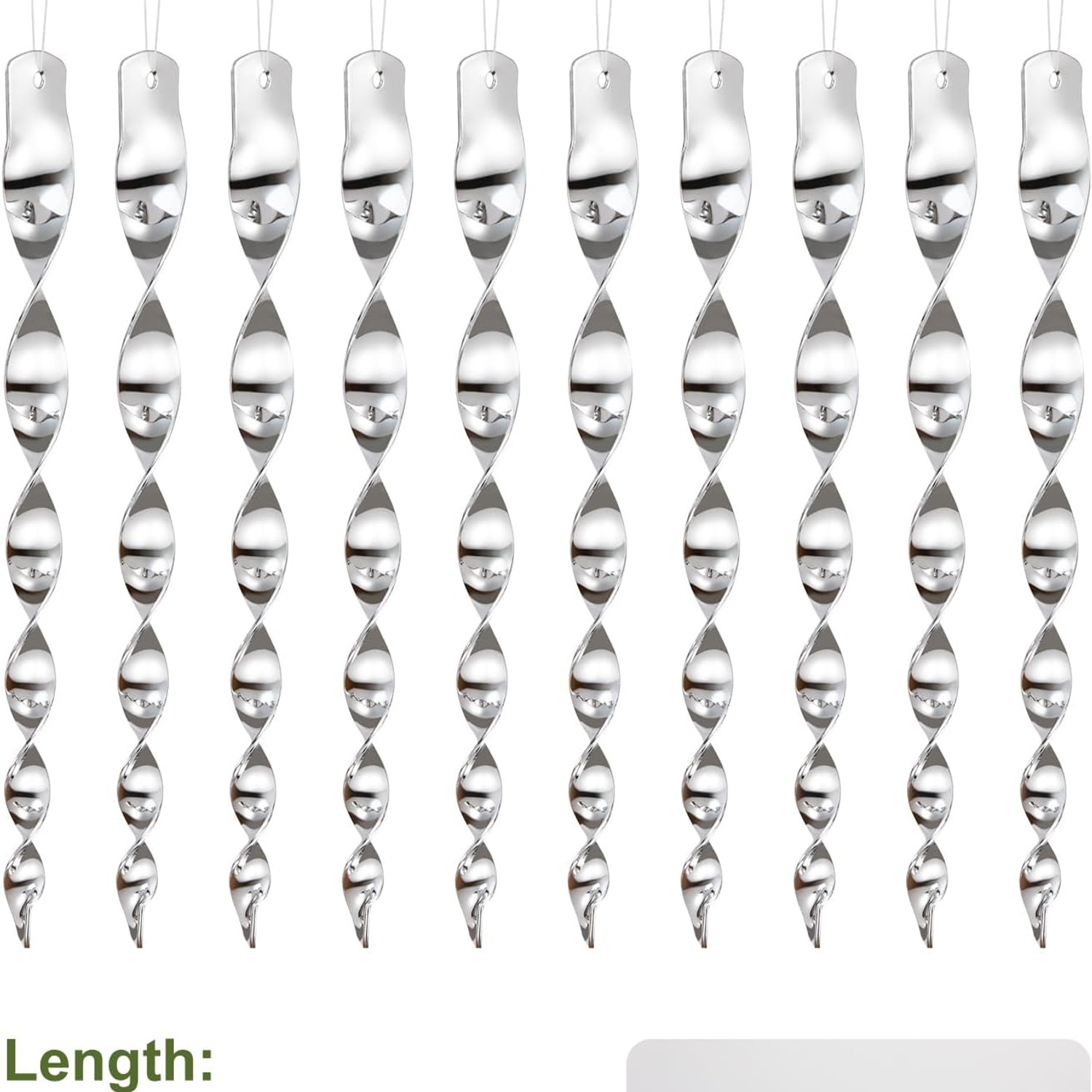
Birds have excellent vision and a strong instinct for anything unpredictable. A still object becomes background within days. A moving object that flashes light at irregular intervals does not, because it never settles into a pattern the bird can learn. That is the whole mechanism. Each rod hangs free on a string. The lightest breeze turns it. As it turns, the silver surface catches the sun and throws short bursts of glare in whatever direction it happens to be facing at that moment. From a bird's point of view, approaching the fruit now means flying through a patch of flickering light coming from a shape that keeps shifting. There is no noise, no chemical and no contact. The listed power source for these rods is simply air, which is a neat way of saying wind does the work. Nothing to charge, nothing to maintain, nothing to switch on in the morning. It is worth being straight about the limits. On a dead-still, grey afternoon, a spiral bird scarer does very little. Sun and breeze are both part of the equation. In practice most gardens get enough of each across a day, but if you live somewhere consistently calm you should plan on using a second method during the two or three critical weeks around harvest. ## Who these suit
They suit home gardeners more than anyone. If you have a few fruit trees, a vegetable bed, a grape vine along a fence or a berry patch, ten rods will cover it comfortably. They also work well for people who do not want spikes on the house. A reflective hanging rod on a verandah beam looks like a wind ornament. A row of steel spikes looks like a loading dock. For balconies, patios and front porches where appearance matters, that difference counts. Small farms, market gardens and hobby orchards use them too, though at that scale you are buying several packs and treating them as one part of a wider plan. Barns, sheds, open carports and boat covers are all common spots. So are solar panels, where droppings cost you output as well as looking terrible. They are not the answer for a large, entrenched pigeon colony on a commercial building. That needs netting or spikes installed by someone with a ladder and a plan. For almost everything smaller, rods are a sensible first move. ## Getting the placement right
Placement matters more than the product. Hang ten rods badly and you will see very little. Hang five well and the birds leave. Start by watching where the birds actually land. Not where the damage is, where they land before they get to the damage. Birds usually have a staging perch, a fence, a power line, a particular branch, and they drop in from there. Put rods between the staging perch and the food. Give each rod room to spin. A rod that brushes a leaf or a wall on every rotation will stall. Leave at least a hand's width of clear air all around it, and hang the string long enough that the rod swings a little as well as turns. Height is worth thinking about. Rods hung above the feeding level work better than rods hung below it, because the bird has to come down through the flashing zone. In a fruit tree, hang from the outer branches where sun reaches, not deep in the shaded canopy. Space them roughly two to three metres apart as a starting point. Tighten that in hot spots. The test is simple. Stand where a bird would approach from and look. If you cannot see at least one rod moving from that angle, add another. ## Keeping them working over time
A reflective deterrent only stays effective while it is actually reflecting. Dust, pollen and bird mess dull the surface fast, especially in dry weather. A wipe with a damp cloth every month or two restores most of the shine, and it takes about a minute per rod. Check the string regularly. Sun and weather are harder on cord than on the rod itself, and a frayed string means you find your rod in the grass after a windy night. Retie or replace as needed. The other maintenance job is movement. Some birds, crows and magpies especially, will eventually work out that nothing bad ever actually happens. Moving the rods every few weeks resets that. Change the height, swap two rods between trees, shift one along the fence. It takes five minutes and keeps the setup unfamiliar. Before a big storm, take down any rods hung somewhere they could tangle in power lines, shade sails or gutters. Over winter, if nothing needs protecting, bring them in, wipe them, and store them flat and dry. ## Stacking methods for harvest weeks
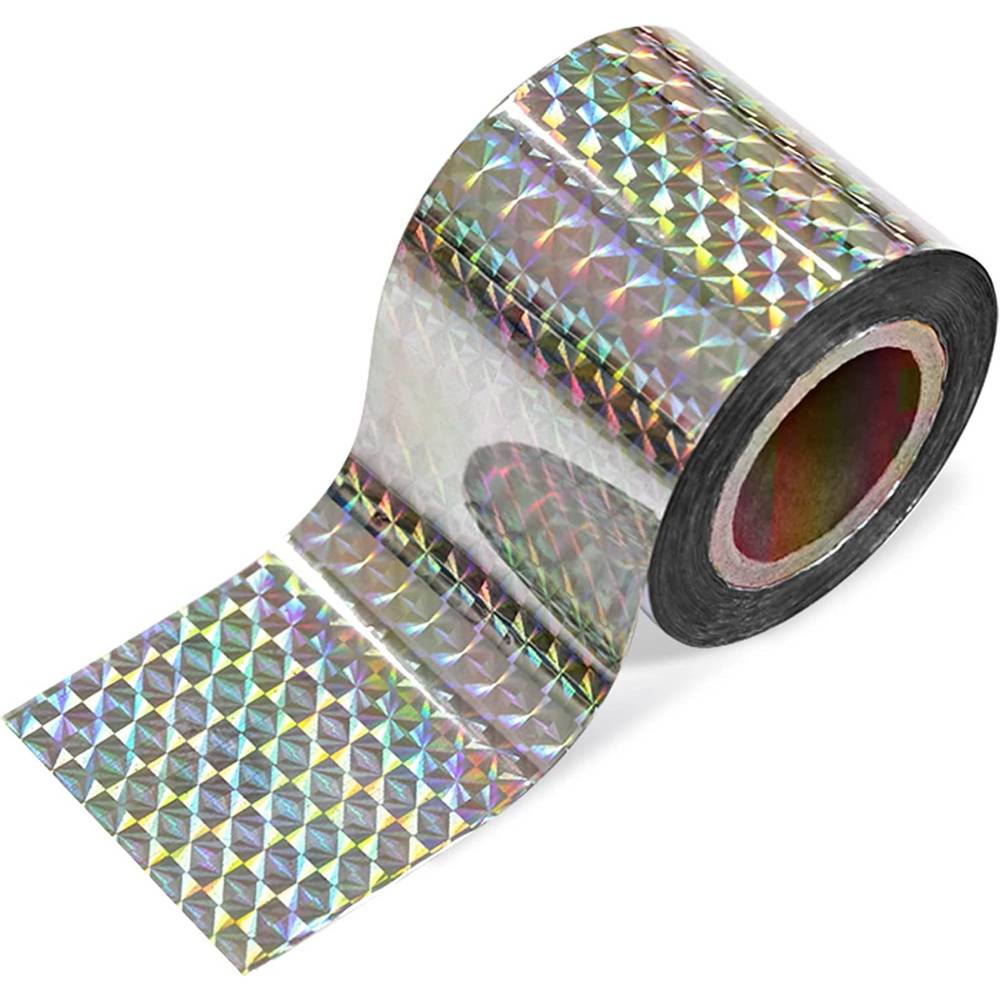
The strongest results come from combining two or three approaches during the short window when fruit is ripe and pressure is highest. Rods plus netting is the usual pairing for high-value trees. The rods reduce the number of birds that even approach, and the net handles the ones that try anyway. Rods plus scare tape adds more reflective surface cheaply. Rods plus a moved decoy predator works too, as long as you actually move the decoy, because a stationary fake hawk is just garden furniture after a week. The principle behind all of it is variety. A single unchanging deterrent becomes background. Two deterrents that move and change stay convincing much longer. ## What you are buying here
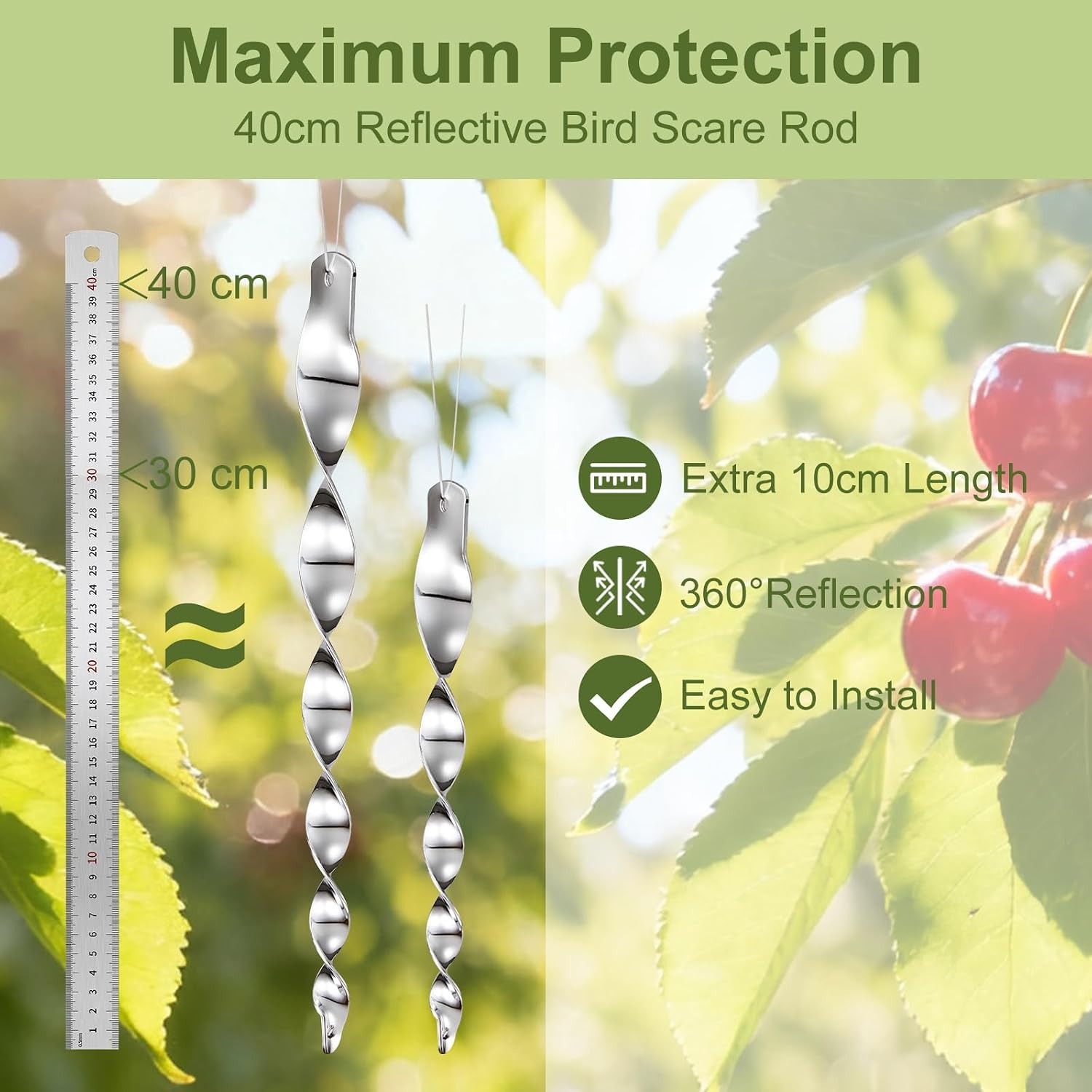
This is a ten pack of silver reflective rods. Hanging string is included, so there is nothing else to buy before you start. The rods are air powered, which means wind drives them. A few things are worth stating plainly. If precise measurements matter for your install, build a little flexibility into your spacing plan. ## The short version
Reflective bird scare rods are a cheap, humane and quick way to make part of your garden feel unsafe to birds. They spin in the breeze and flash sunlight, and most birds decide the next garden along is an easier meal. Buy enough to cover the whole problem area rather than one corner. Hang them high, in open air, between the birds' staging perch and the food. Wipe them clean when they go dull, check the string, and move them every few weeks so the birds never get comfortable. They are not magic, and in still, grey weather they do less. But for the price of a few punnets of the fruit you are trying to save, a set of ten rods is a sensible first line of defence that you can have up and working this afternoon.