

The complete guide
Moulded plastic or stainless: how to choose
They do the same job
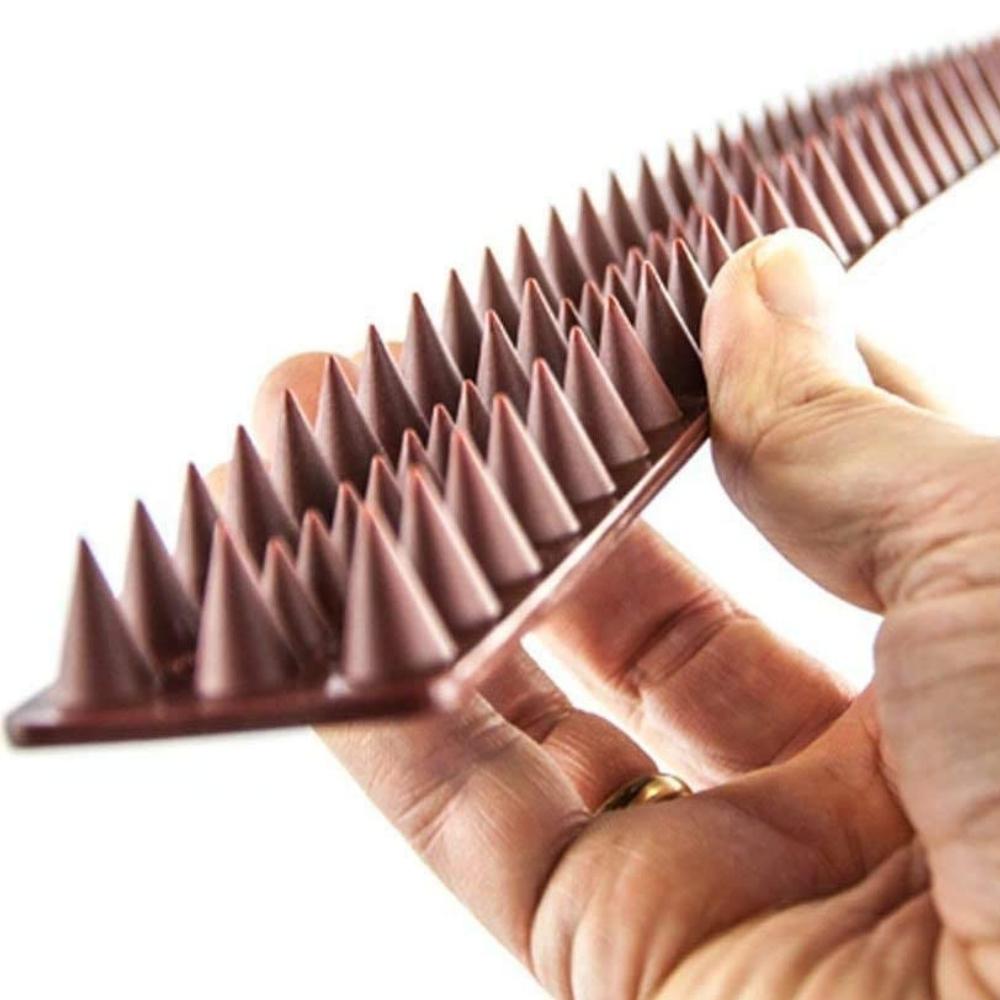
Both strips work the same way: they remove the flat surface an animal needs to stand on. On an ordinary ledge, sill or fence rail, either will do the job and the choice is about the site rather than about quality.
Choose moulded plastic when
The run is long and the budget decides how much of it gets done. Covering all of a fifty metre boundary in plastic beats covering half of it in stainless, because half a job is a detour.
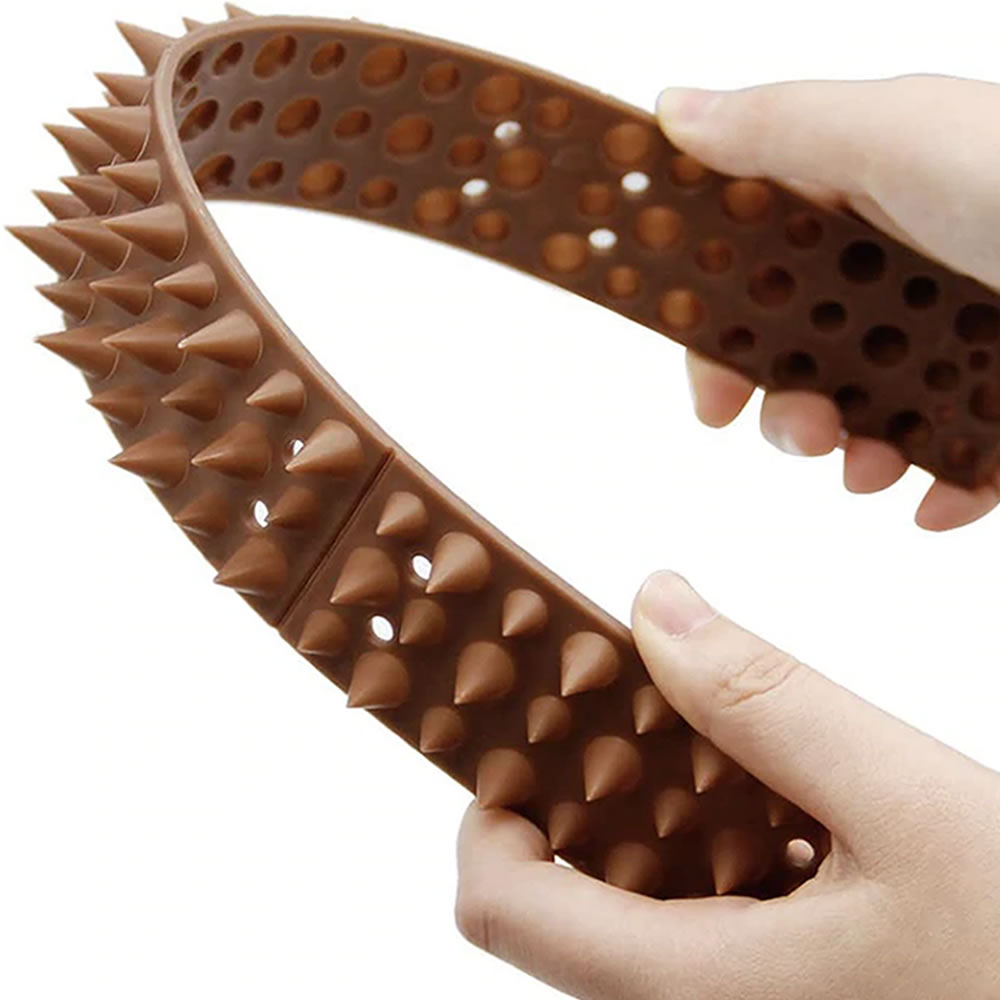
The strip is at eye level and you would rather not see it. There are no pins catching the light, and black on a dark fence is close to invisible from a few metres.
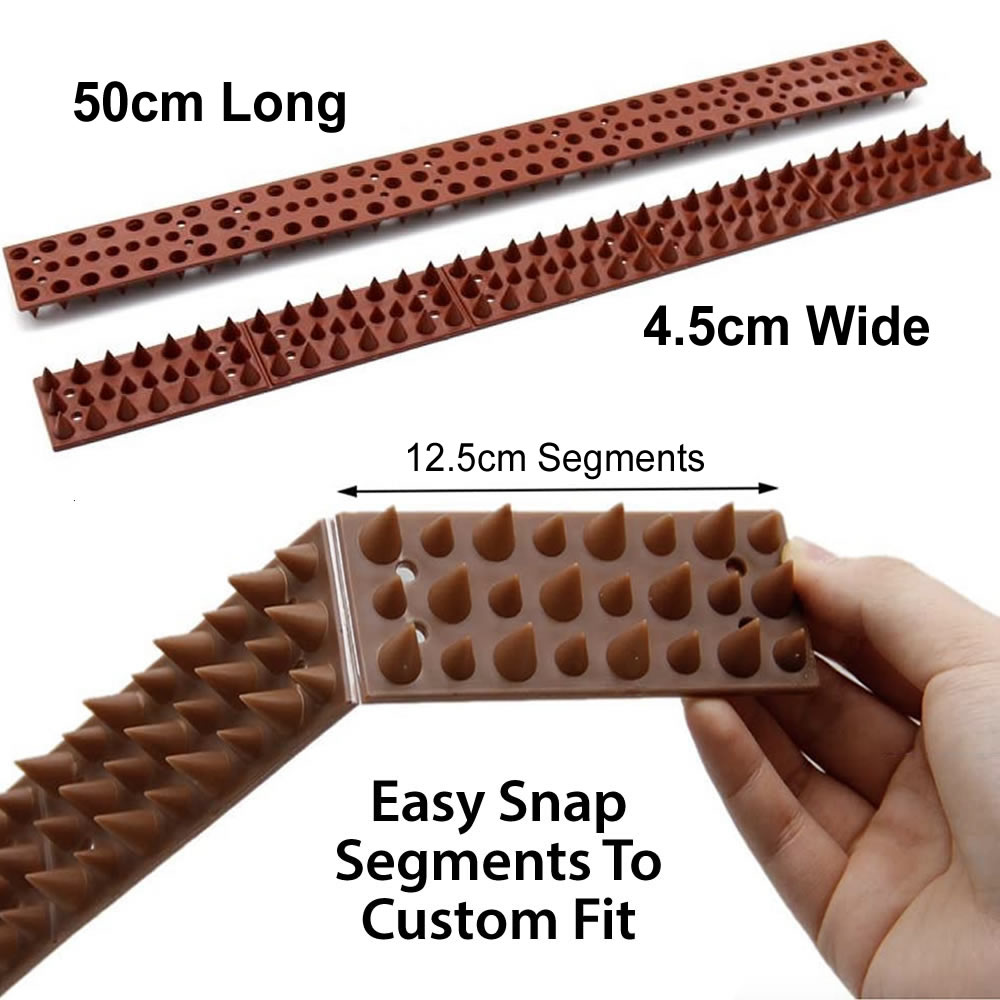
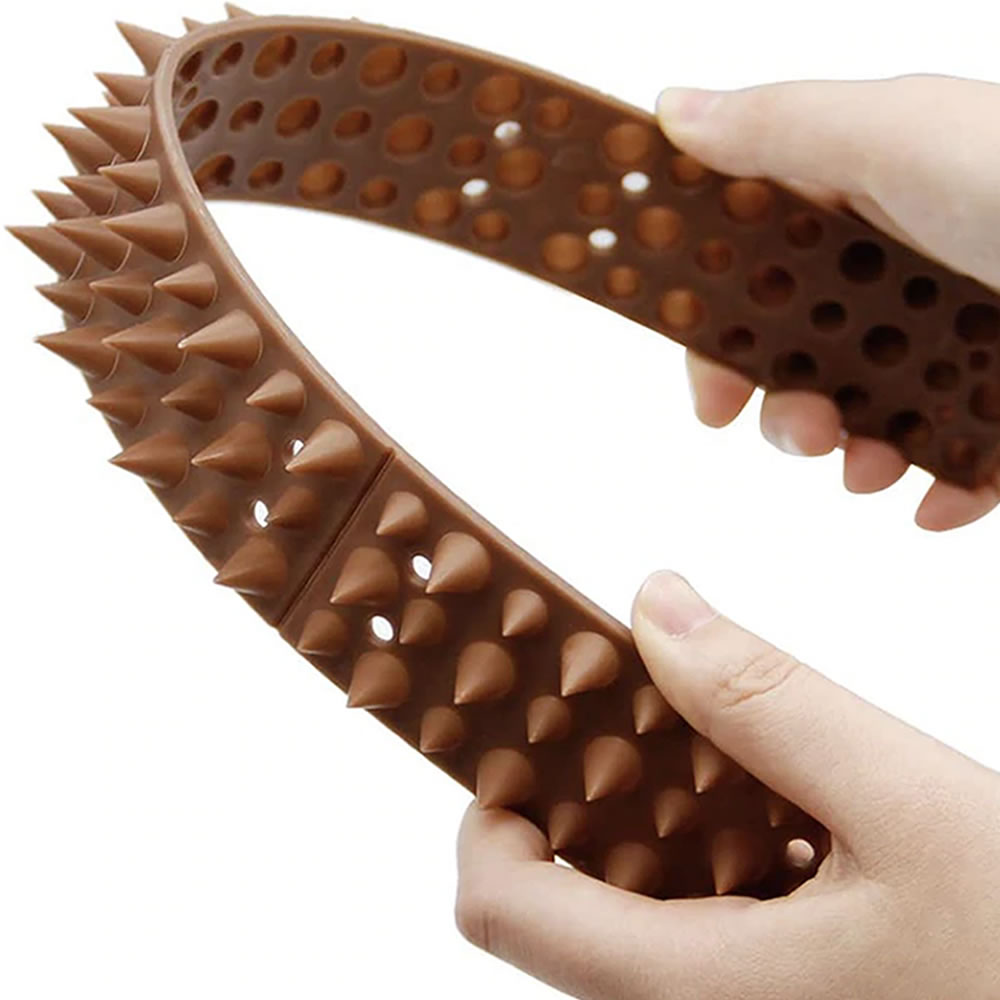
You want no assembly. This arrives as one moulded piece.
Choose stainless when
The site is coastal. Salt decides a lot of exterior choices in New Zealand and this is one of them.
Something heavy will lean on it. A possum putting its full weight on a strip is a different load case from a pigeon landing on one.
The job is being specified for a commercial client, where a material specification is part of the paperwork.
Fixing is the same decision either way
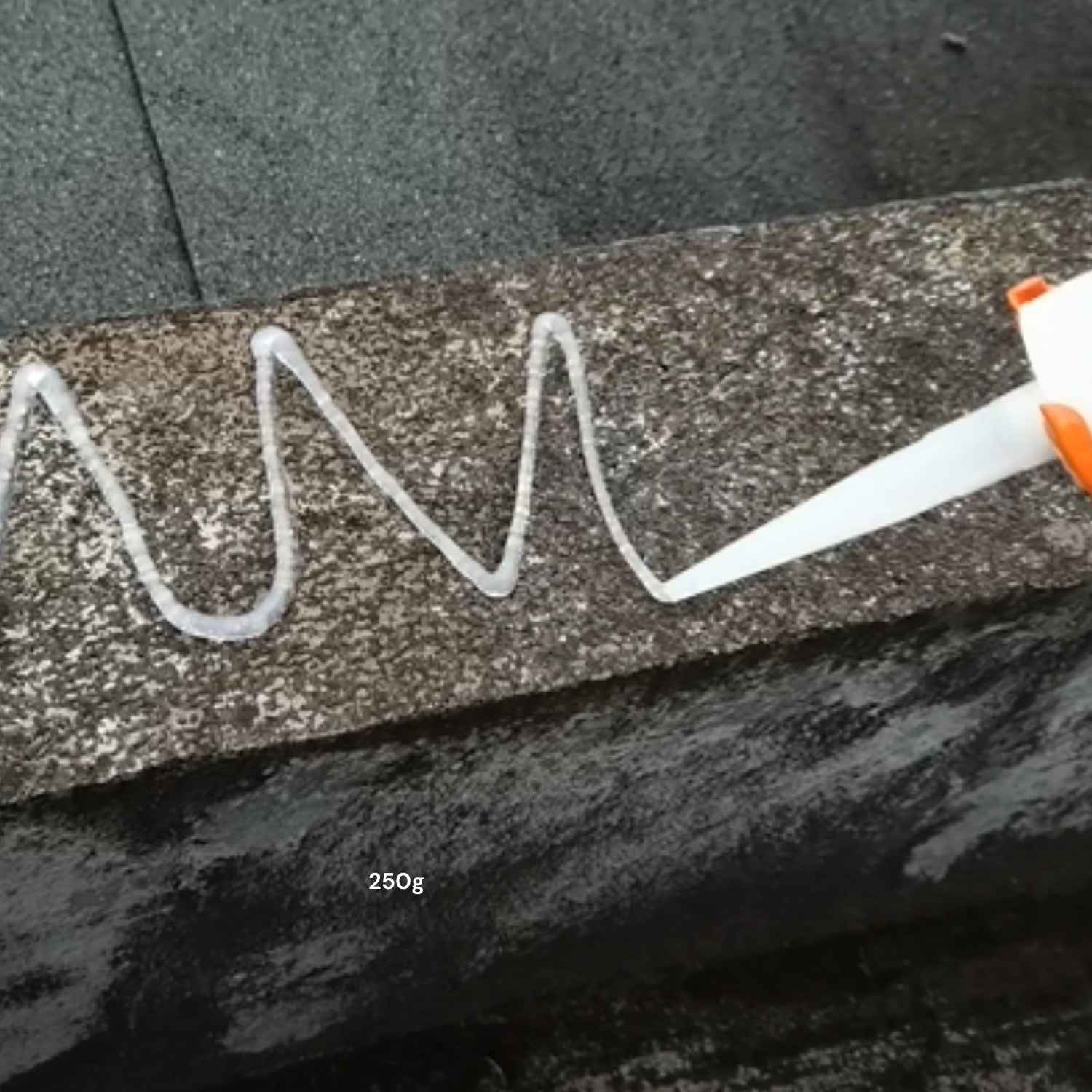
Screws in timber. Exterior adhesive or double sided tape on masonry, painted metal and plastic. Cable ties on railings and pipework. The surface has to be clean and dry before adhesive touches it, and that step, rather than the strip, is what decides whether it is still there in five years.
Quantity
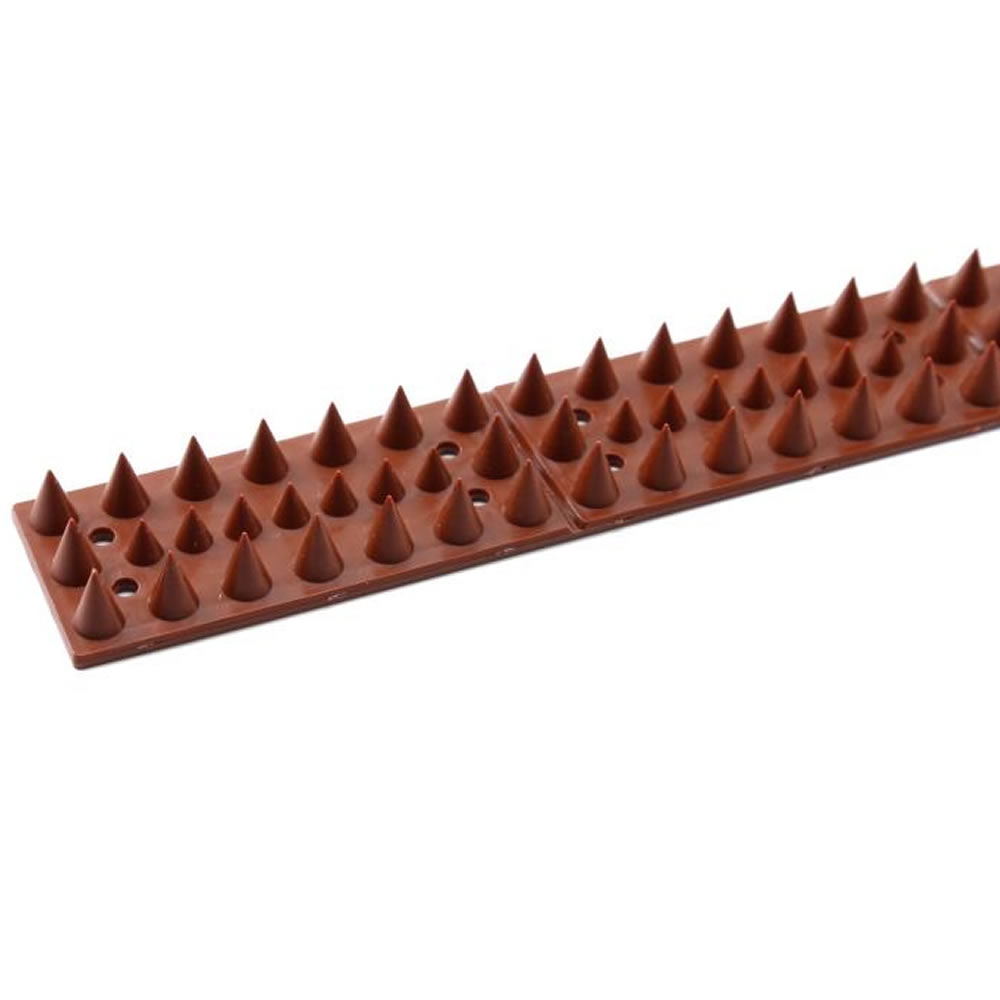
Each strip is 500 millimetres. Measure the run, double it, round up, and do not stop short of the end.
One thing plastic does better
You can paint it. On a coloured fence or a heritage frontage where the client wants the deterrent invisible, a strip painted to match is genuinely unobtrusive in a way steel pins are not.