
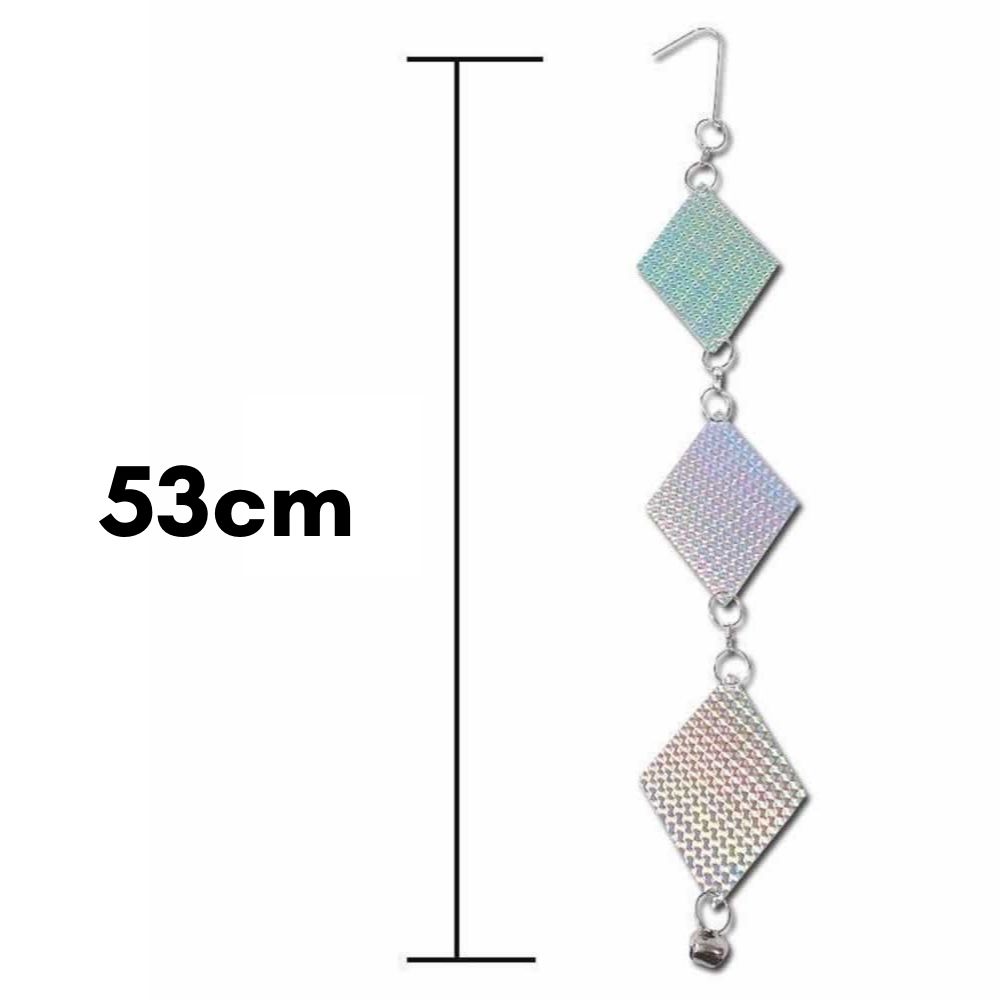
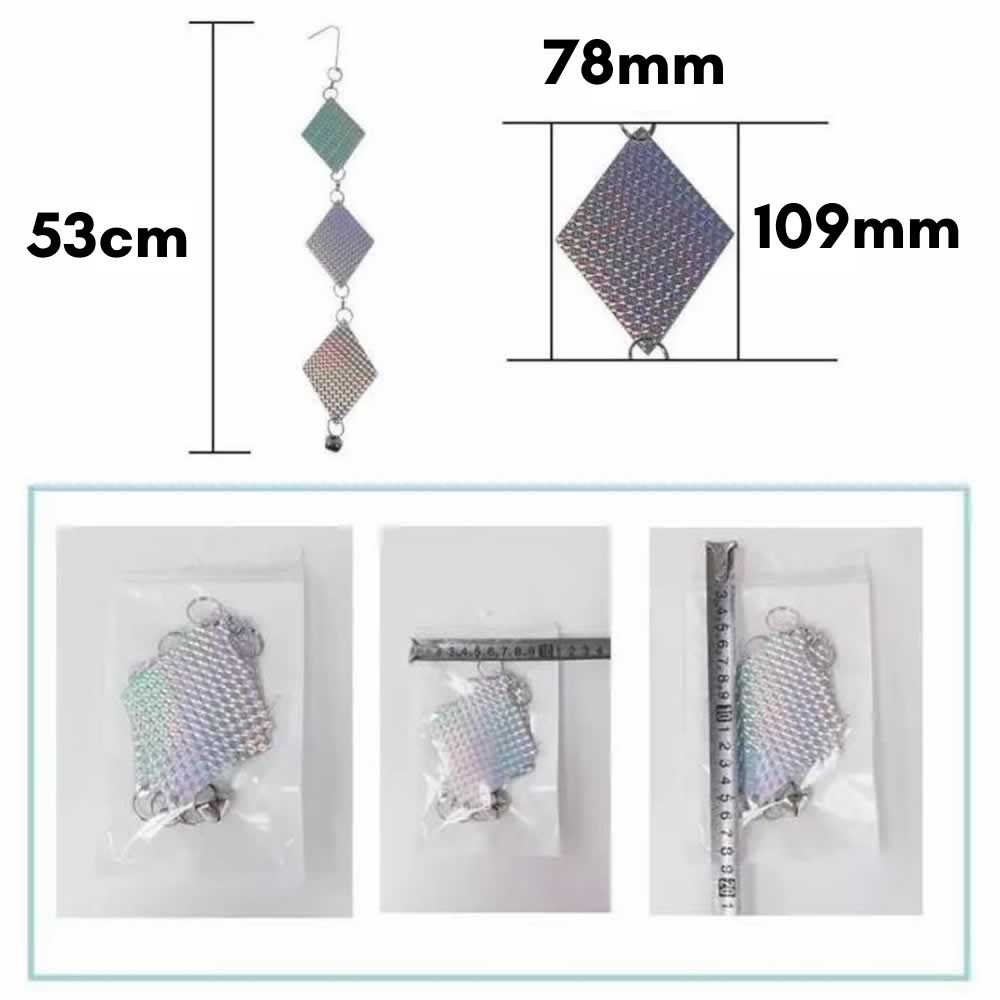
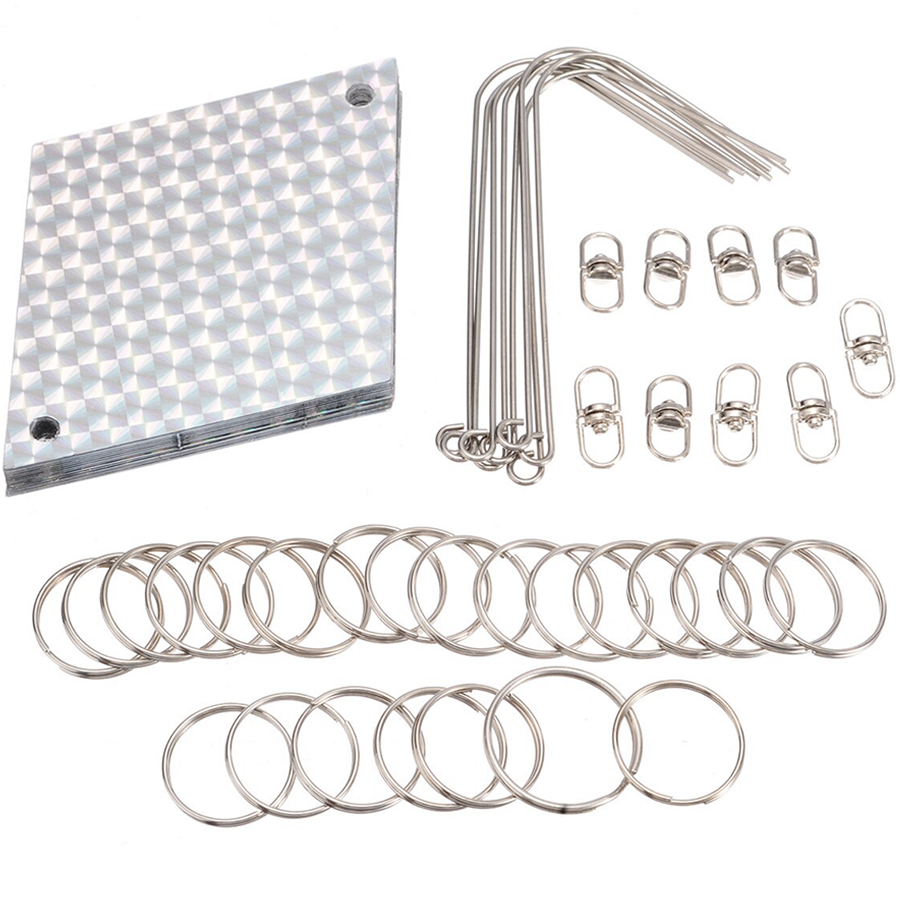
The complete guide
Getting real value out of a scare product
Understand the category first
There are two kinds of bird product: barriers and scare devices. A barrier removes a surface, so there is nothing to get used to. A scare device relies on the bird deciding something is a risk, and birds are good at working out that a risk which never materialises is not one.
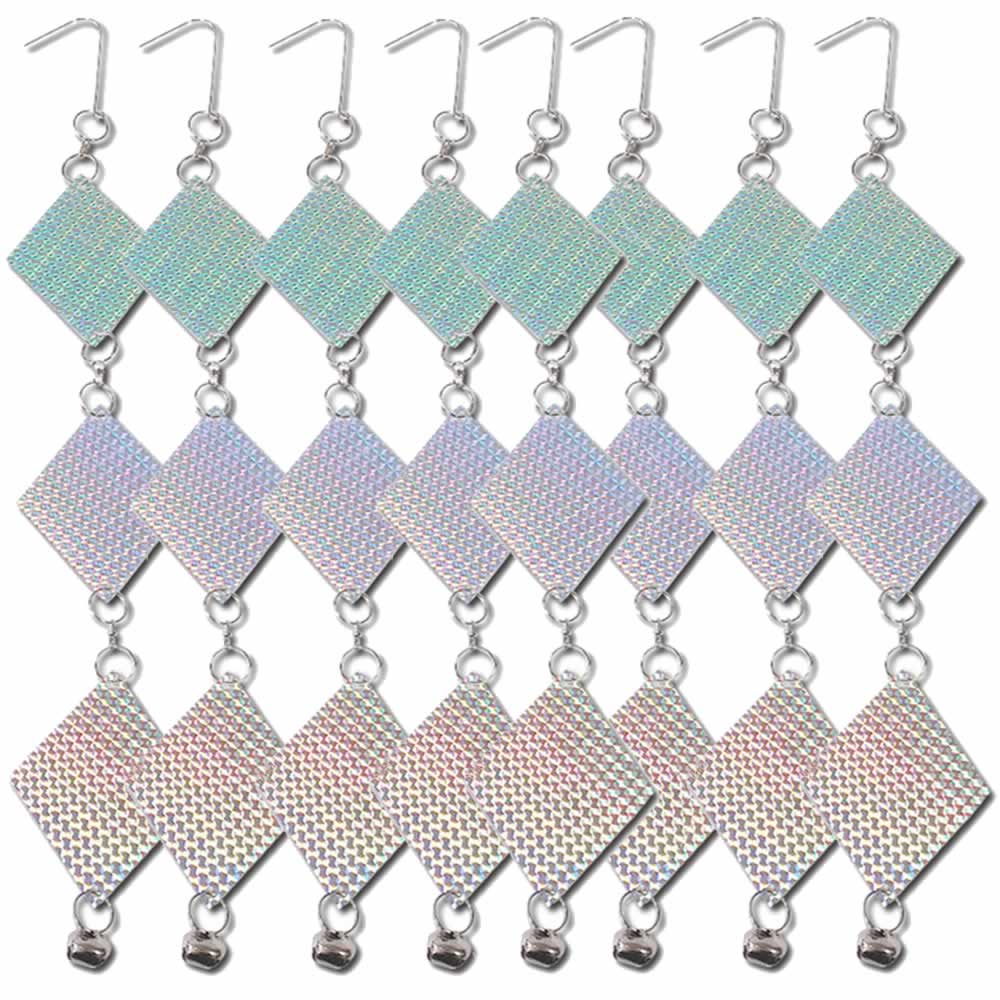
These discs are a scare device. That is not a criticism, it is an instruction manual.
The three rules
Move them. Every couple of weeks is enough. A disc that has hung in the same spot for two months has become part of the tree.
Add rather than replace. When pressure rises, put more up at the point the birds come in rather than moving the same three around.
Use them seasonally. Take them down when the fruit is picked. Birds that spend the winter learning to ignore them will start next spring already used to them.
Siting
They need wind and daylight, so hang them on the outside of a tree rather than buried in it, high enough that the crop does not stop them turning. Vary the heights: a row all at one level reads as a line rather than as movement.
Watch where the reflection lands. Flashing light travels further than people expect and a row along a boundary can be a genuine nuisance to a neighbour.
What they do that spikes cannot
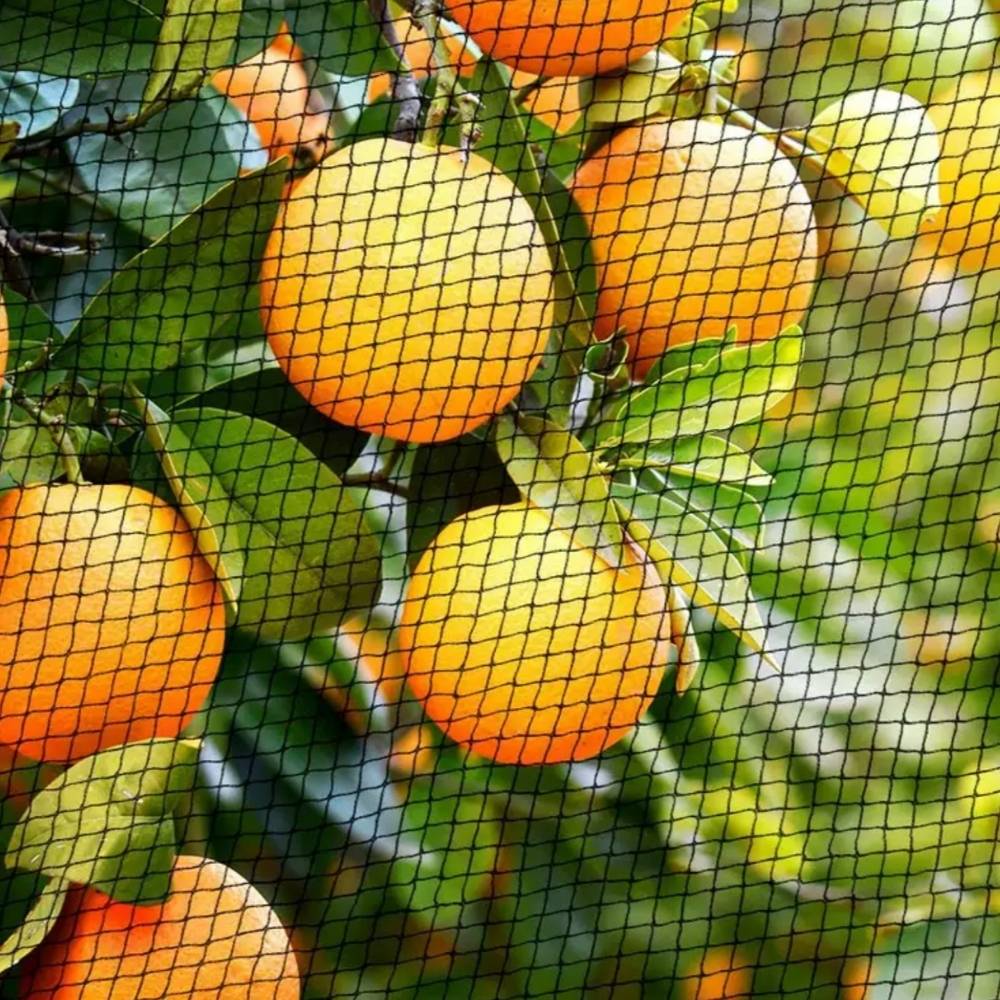
They cover a volume. A run of discs through a fruit tree is protecting the whole tree, not a line along the top of a fence. That is why they pair well with netting on a crop, where the net is the barrier and the discs discourage landing on it.
Where they will not compete
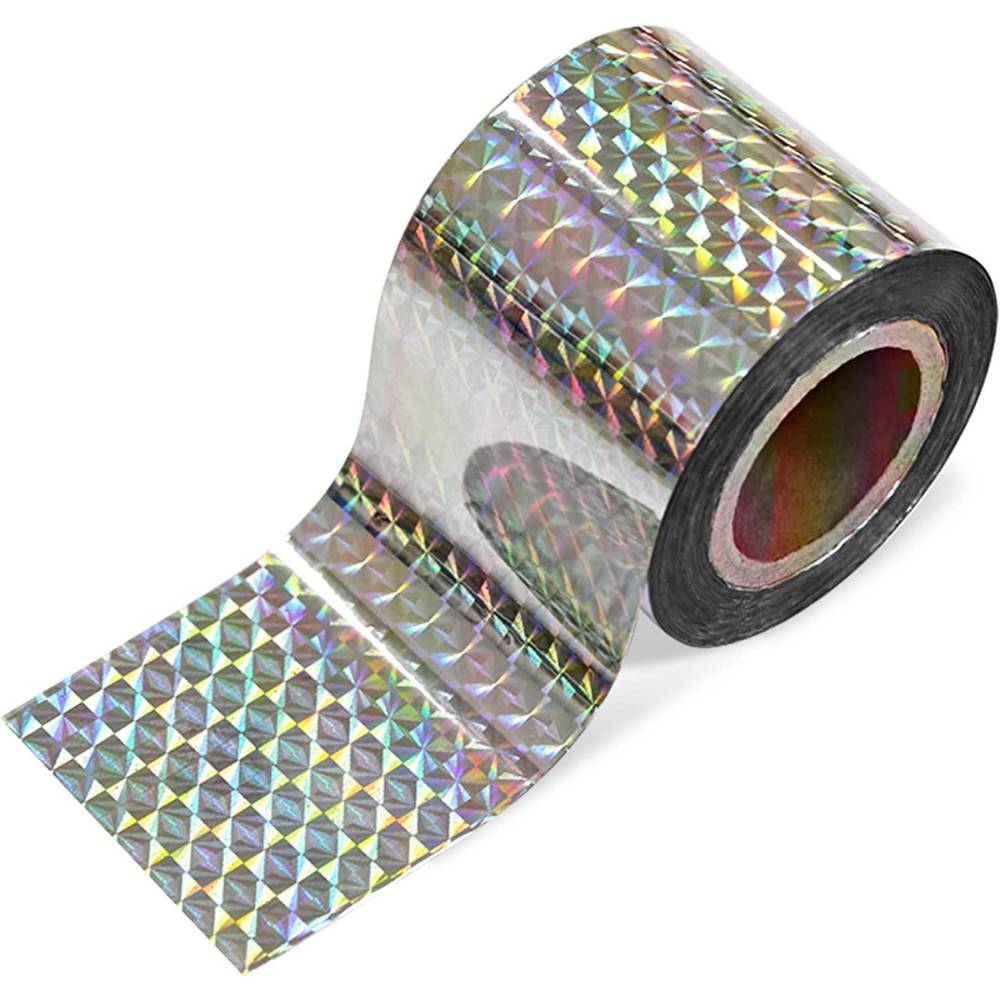
Any established roosting habit. Pigeons on a parapet, starlings in a gutter, mynas on a beam. Those are barrier problems, and a strip at twelve dollars will outperform any number of discs.
Maintenance
Wipe them when they dull. A dusty mirror reflects almost nothing, and reflecting is the entire job.