
The complete guide
Where gel beats spikes, and where it does not
The shape of the surface decides
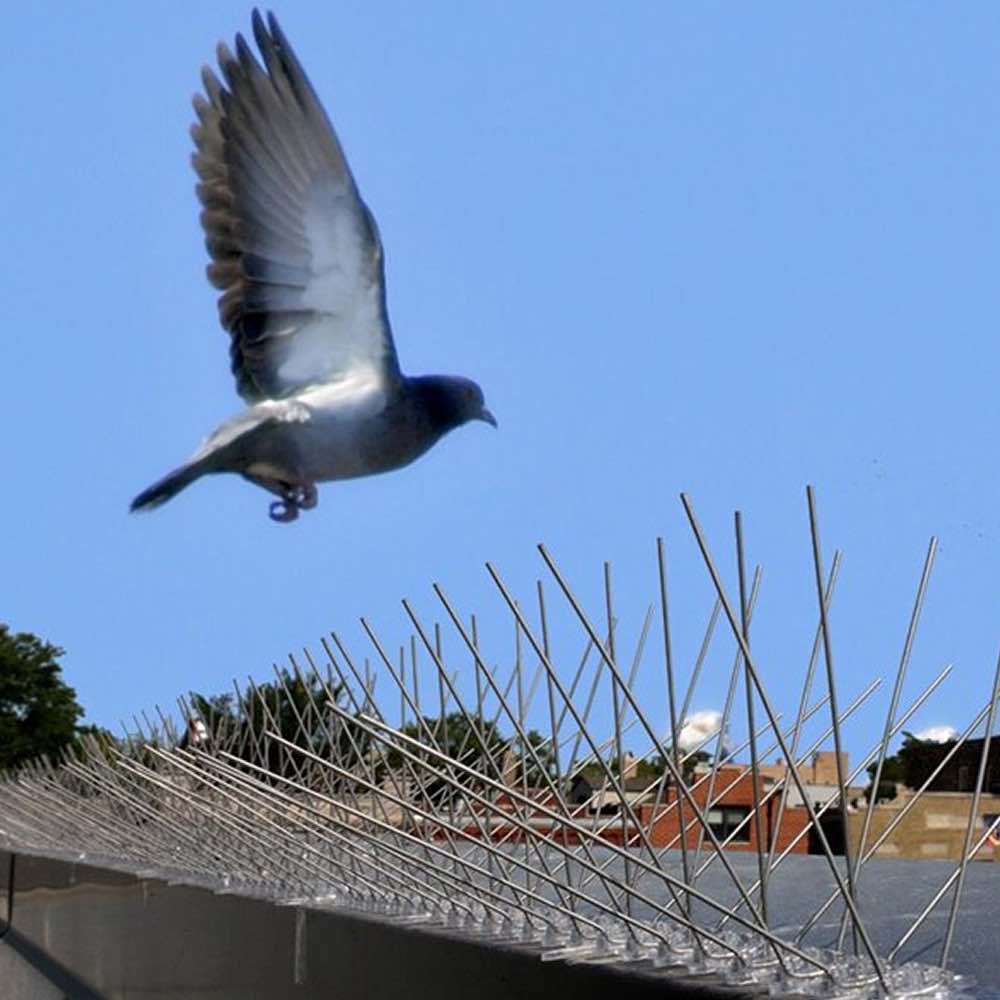
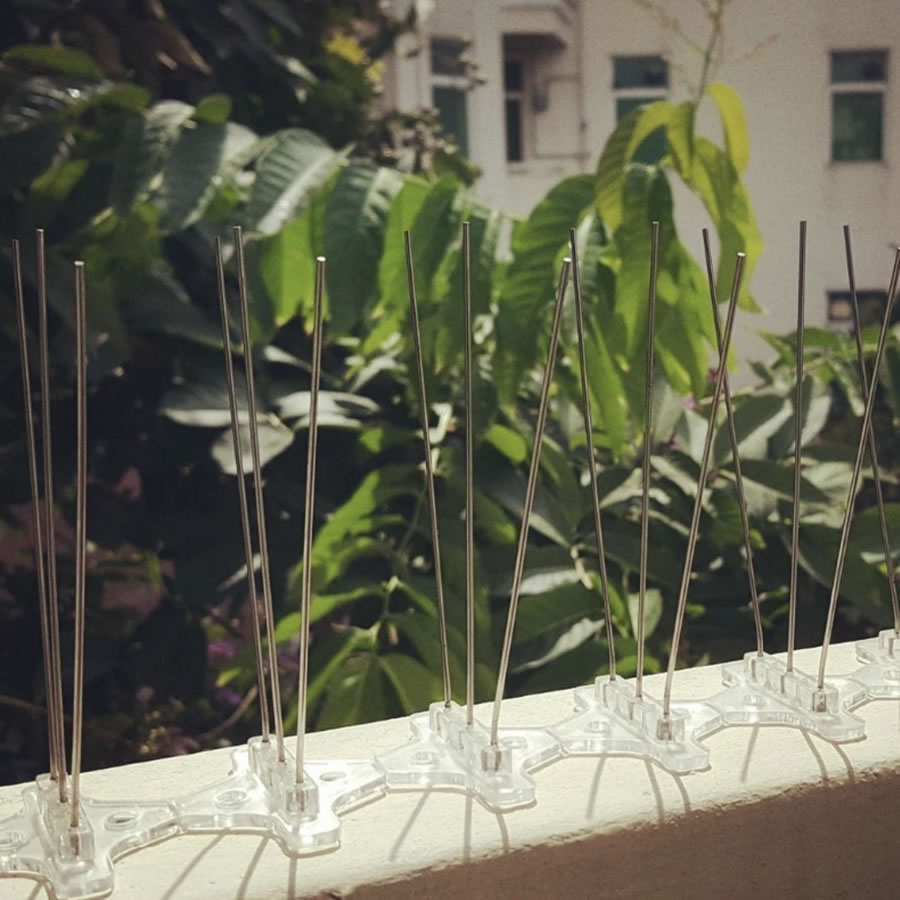
On a straight ledge, a spike strip is cheaper, permanent and needs almost no maintenance. It wins on cost and it wins on longevity.
On a corbel, a moulded cornice, a curved beam or a shaped sill, a strip simply will not sit. That is what gel is for, and it is why most real buildings need both products rather than a choice between them.
Applying it
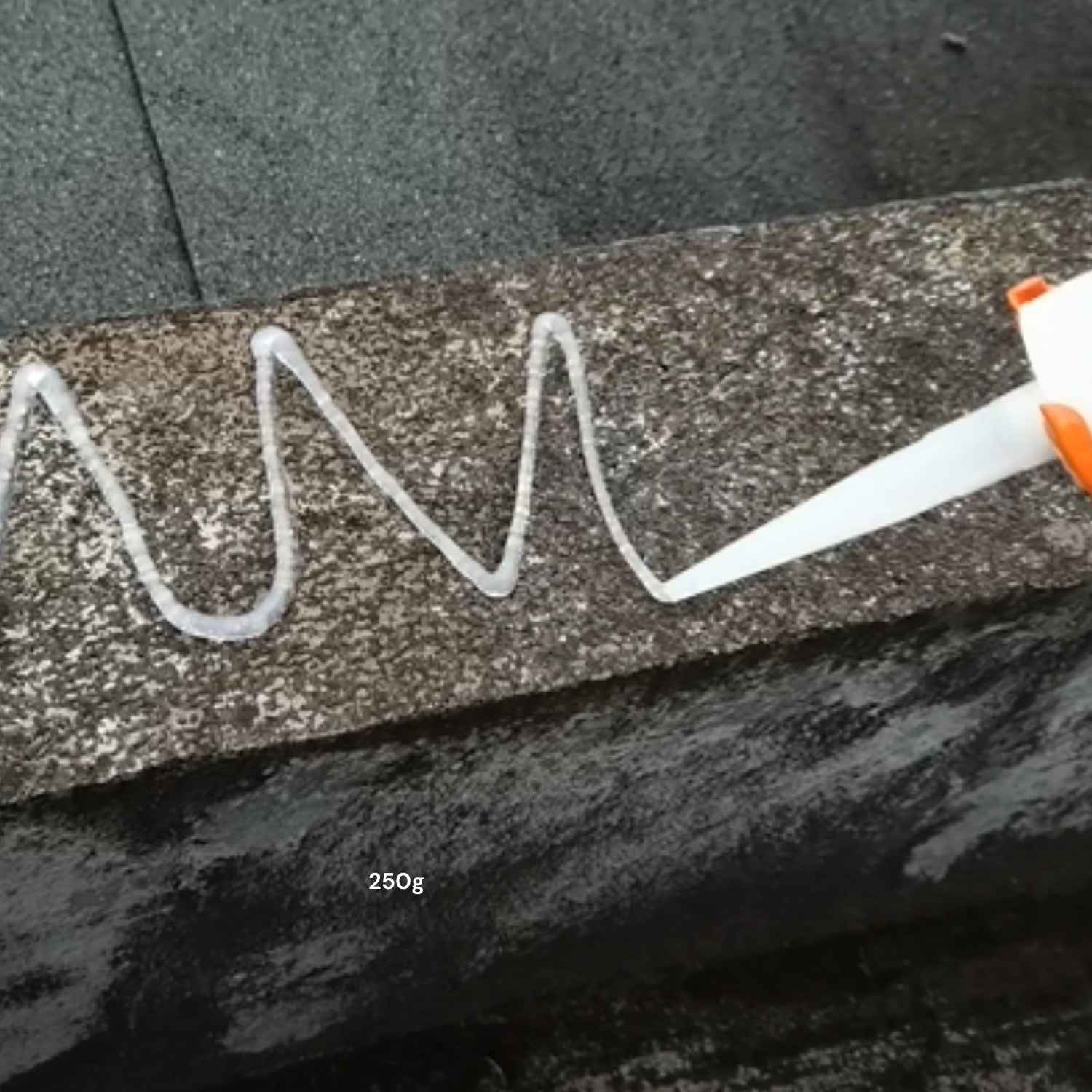
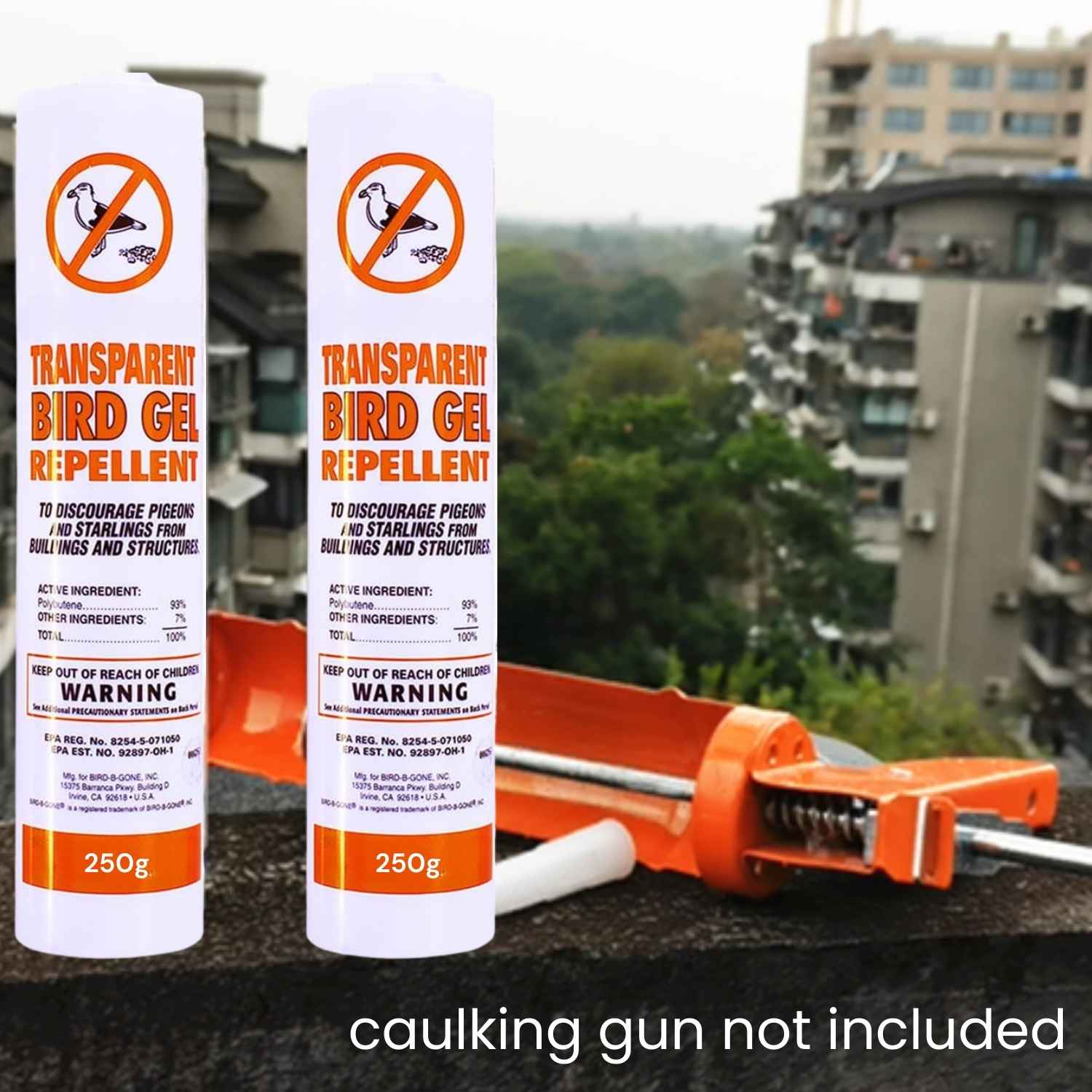
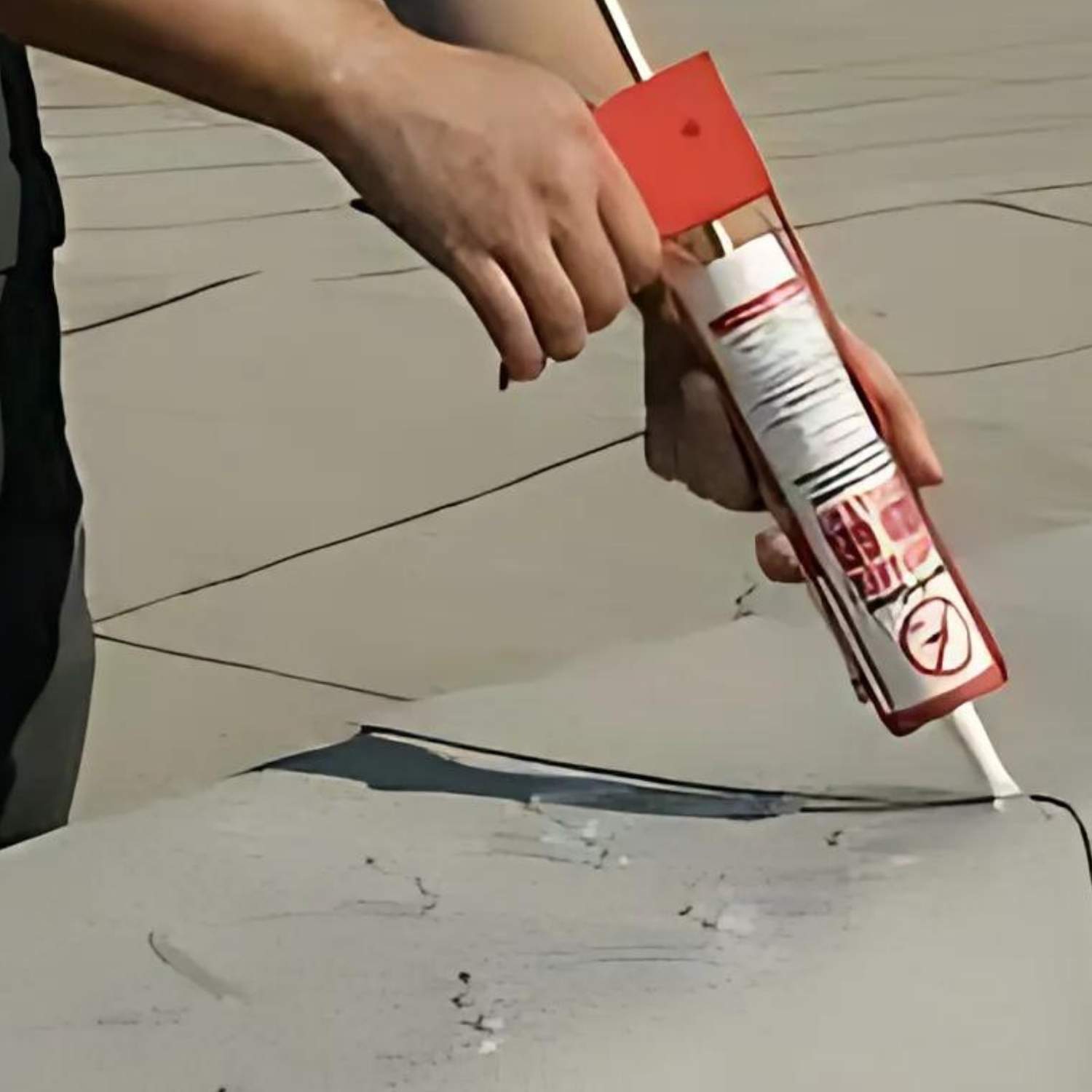
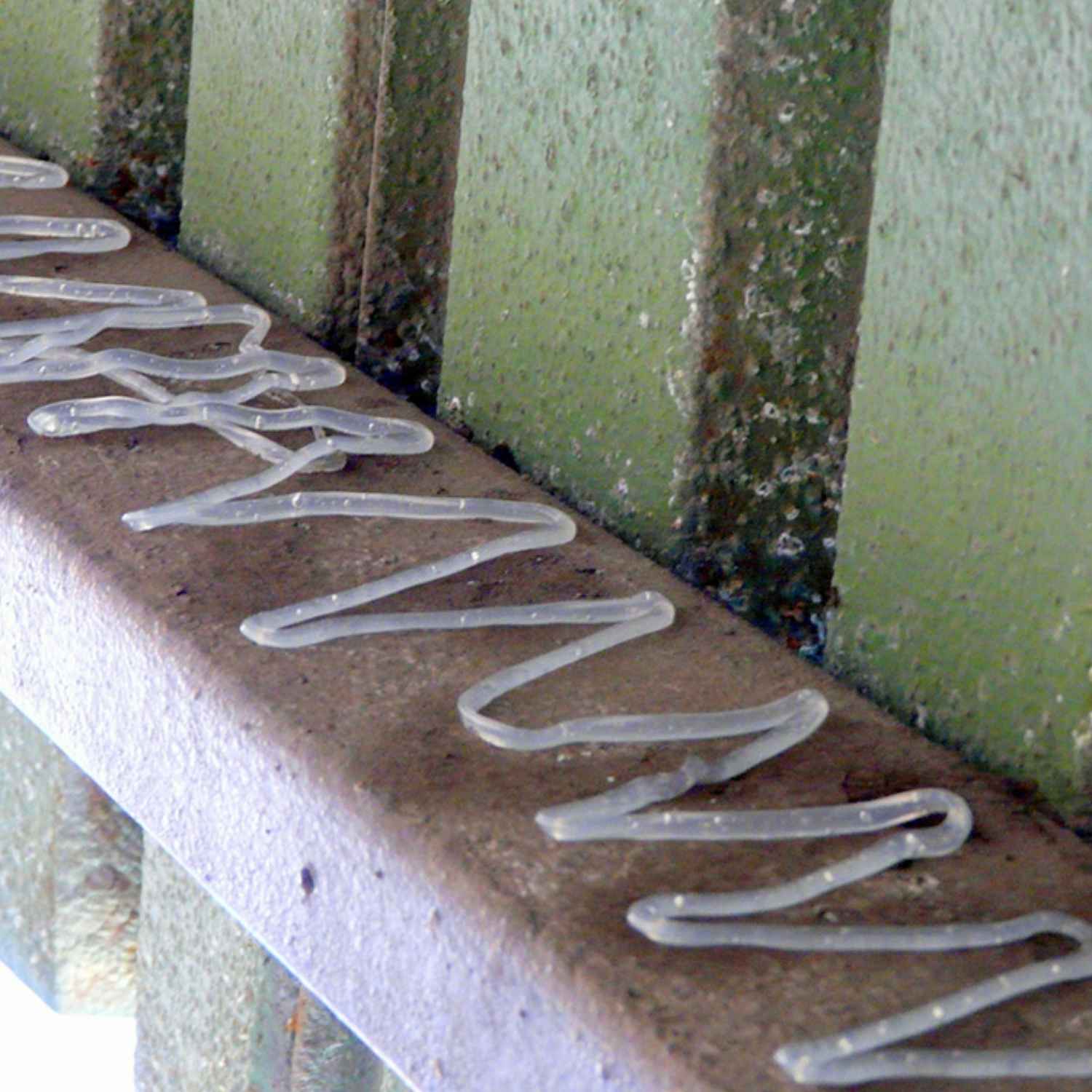
A steady bead along the middle of the surface, in one pass, with a standard caulking gun held at a consistent angle. Three linear metres per cartridge assumes a bead. Laying it on thick does not make it work harder, it just collects dust faster.
Clean the surface first. Scrape off droppings, wash, dry. Gel over a dirty surface lifts with the dirt.
What it is not
It is not a trap and it is not an adhesive designed to catch anything. Birds find the surface unpleasant underfoot and stop using it. Apply it as a bead rather than a layer, and do not use it where small birds are nesting close by.
Its honest weakness
It is not permanent. Dust, grit and pollen land in it and eventually form a crust, and a crusted gel is a shelf. On a clean sheltered surface that takes a long time. On a dusty roadside parapet, plan on it as a seasonal job and put a note in the diary rather than discovering it when the birds come back.
Test it with a finger where you can reach. Tacky is working. Dry and dusty is done.
Two cautions
It is sticky, so it belongs where nobody will put a hand: not on a handrail, not on a sill people lean on, not within a child's reach.
On porous or historic stone, test a small patch first. A petroleum based product can mark, and heritage listings often restrict what may be applied to a facade at all.
Where it is at its best
Ornate frontages where spikes would be visually unacceptable, and narrow mouldings where small birds settle and a strip has nowhere to go. From the ground it is effectively invisible, which is the reason architects specify it.